
Vandaag of morgen in huis

Kwaliteit gegarandeerd

Welkomstaanbiedingen ontgrendelen: GRATIS bezorging | Tot 80% korting | Gratis 30 dagen JoyPlus-proefperiode
Download de app
A simple brush might seem like an easy purchase, but the wrong model can quickly disappoint. A brush that is too soft will barely shift caked-on dirt. One that is too hard can damage tiles, plastic or varnished surfaces. A short handle also means that larger floors and hard-to-reach areas take far more effort than necessary.
When it comes to cleaning brushes, the choice really comes down to the combination of brush type, material, length and the surface you are using it on. Below, you will find out what to look for and which options suit different households and cleaning tasks.
A stiff scrubbing brush is suitable for rough floor tiles, patios and grout, for example. However, the same brush type can cause scratches on glass, varnished wood or car paint. A bathroom cleaning brush should not automatically be considered suitable for delicate surfaces.
Look at the stiffness of the bristles:
A long handle can be comfortable for floors, but it is not always practical in small spaces. A grout brush or a brush for taps actually needs a narrow head and direct control. For a floor brush, a length of around 30 to 40 cm is practical, whereas a radiator brush often needs to be longer and slimmer.
As well as the overall length, also check the shape of the handle. A rubberised TPR grip can offer more hold when used wet than smooth, hard plastic.
Terms like “professional”, “extra powerful” or “durable” say very little without technical details. Instead, pay attention to:
According to the product description from the relevant seller, the 36 cm hand brush, for example, has a head with 29 mm stiff PP bristles and a TPR handle. These are far more concrete details than a general claim about cleaning power.
PP and nylon fibres are common materials for scrubbing brushes. They are suitable for hard surfaces, but the right stiffness remains important. Always check whether the manufacturer rules out use on glass, polished wood or varnished surfaces.
Rubber bristles work differently from plastic ones. A rubber broom can collect hair, fluff and moisture from smooth floors. According to the product description, the emmama brush combines a rubber head with an integrated squeegee edge. This makes it practical for pet hair and liquids on smooth floors, but a rubber head is not equally suitable for every type of flooring.
For gaps, grout and narrow openings, a narrow or curved head is more practical than a wide floor brush. A brush for hard-to-reach places can get under taps, along skirting boards, between radiator fins or into ventilation grilles.
Also consider whether parts can be washed. A removable microfibre head is handy, for example, on a car detailing brush for ventilation grilles. Allow washed parts to dry completely before storing them.
With robot vacuum accessories, checking the model is more important than a universal fit. Check the exact model of your robot vacuum and compare it with the product listing. An accessory kit for the MOVA E30 Ultra, for example, is not automatically suitable for other MOVA models.
Pay attention to the number of parts, such as:
A set with multiple consumables can be handy when you carry out regular maintenance, but do not buy parts that do not fit your appliance.
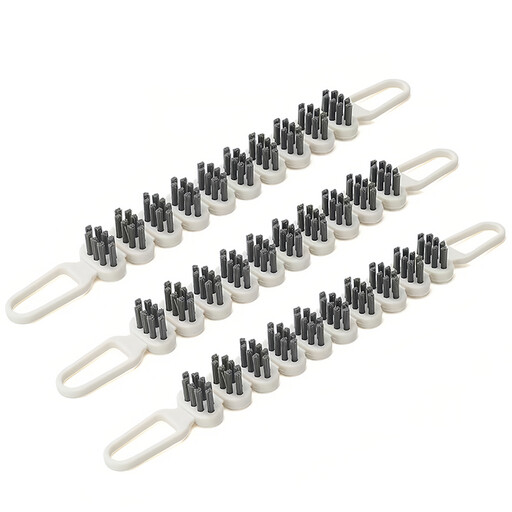
Why this fits the profile: The set is designed for taps, grout and kitchen or bathroom crevices. By combining three brushes, you do not need to buy a separate model for every small task.
The narrow, bendable shape is more specific than a wide brush that cannot get into gaps properly. Use the soft bristles carefully on delicate finishes.
Three pieces; size 23 × 3 × 2 cm; suitable for small, hard-to-reach areas.
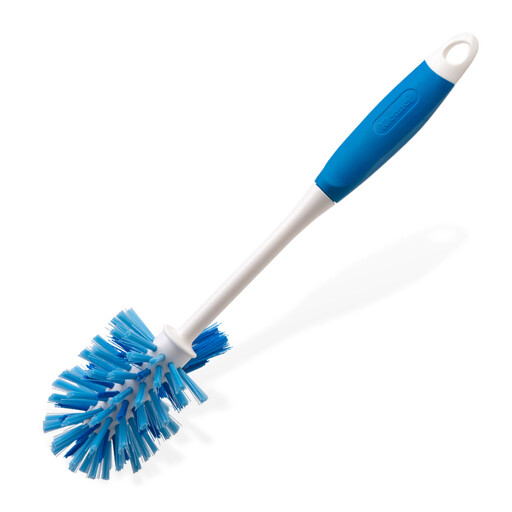
Why this fits the profile: For households that regularly scrub floors, patios or grout, this stiff scrubbing brush offers a clear combination of reach and sturdy fibres.
The product description states the concrete length of 36 cm and bristles of 29 mm. This makes it clear in advance that this model is intended for hard, non-delicate surfaces.
36 cm handle; 29 mm stiff PP bristles; TPR grip; suitable for floors, decks and grout.
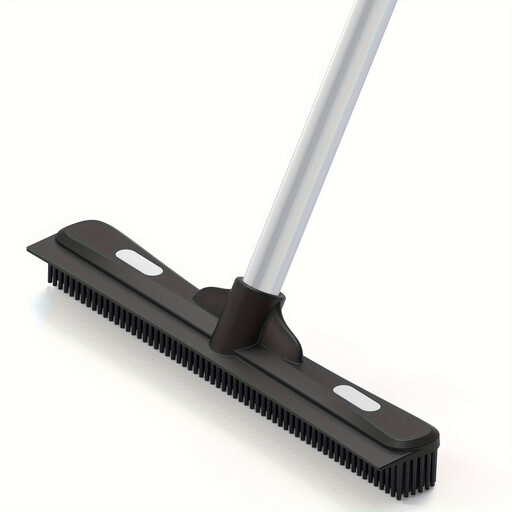
Why this fits the profile: Pet owners can use a rubber broom for hair and fluff on carpet and hard floors. The adjustable handle is suitable for larger areas.
The head is not only aimed at dry hair: the built-in squeegee edge is intended for liquids on smooth surfaces. Do check beforehand whether your floor is suitable for rubber.
Rubber head; integrated squeegee; adjustable handle up to 61 inches according to the product listing; 2-in-1 use.
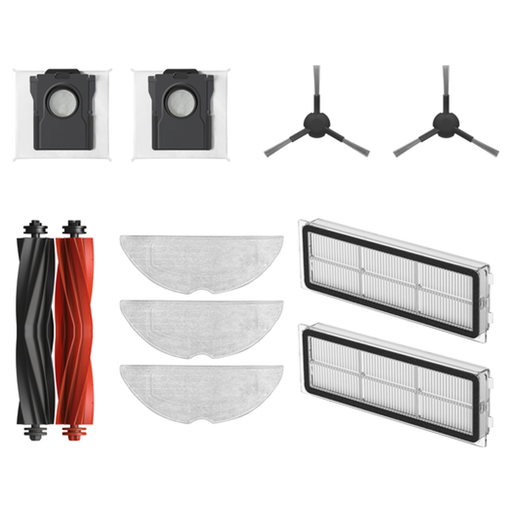
Why this fits the profile: For owners of a MOVA E30 Ultra, this set bundles multiple replacement parts for periodic maintenance.
The product listing mentions the specific model MOVA E30 Ultra. Check this model before purchase to avoid getting the wrong accessory kit.
Ten parts; one main brush; two side brushes; three mopping pads; filters and dust bags.
We have put together a full, up-to-date list of products that fully meet these strict selection criteria and comply with current European safety regulations.
Rinse a scrubbing brush after use and remove any remaining dirt from the bristles. Allow the brush to dry completely before putting it away in a cupboard. For a dust brush, you can shake out loose dust particles or wash the part if the product description allows it.
For car interiors and delicate plastic parts, use a soft car detailing brush. First check whether there is any sand or hard particles trapped between the bristles. Work with light pressure and do not use strong, caustic cleaning products if the manufacturer advises against them.
Replace a brush as soon as bristles fall out, become misshapen or lose their cleaning effectiveness. With robot vacuum parts, also check filters, side brushes and the main brush regularly. Switch off the appliance before replacing any moving parts.
A narrow grout brush with firm, but not overly hard, bristles is suitable for tile grout. Choose a model that allows you to apply targeted pressure. Only use a wide floor brush when you want to treat larger tile surfaces at the same time.
Rinse plastic or rubber brushes with water and remove dirt from between the bristles. Only use mild soap if the product instructions allow it. Then leave the brush to air dry. Do not store it damp for long periods, as this can cause odours and material deterioration.
For radiators, ventilation grilles and narrow gaps, long, slim brushes or flexible detailing brushes work better. A radiator brush of 64 cm, for example, is designed for deep, narrow spaces. For car air vents and keyboards, choose soft microfibre or PP bristles instead.
