
Vandaag of morgen in huis

Kwaliteit gegarandeerd

Welkomstaanbiedingen ontgrendelen: GRATIS bezorging | Tot 80% korting | Gratis 30 dagen JoyPlus-proefperiode
Download de app
A brush may seem like a simple household essential, but choosing the wrong one can quickly become frustrating. A washing-up brush with bristles that are too soft will barely shift stuck-on food. A bottle brush with a head that is too wide won’t fit through the neck. And a toilet brush without a proper holder stays wet, allowing odours and dirt to build up more quickly.
There are three common pitfalls to avoid when choosing cleaning brushes:
Marketing claims without clear specifications
Words such as “extra strong” don’t tell you much if the material, dimensions and intended use aren’t specified.
Using one brush for several jobs
A grout brush is designed for narrow gaps, while a household cleaning brush with a wide head is better for larger surfaces. Where possible, use separate brushes for different cleaning tasks to reduce cross-contamination and wear.
Not considering drying and replacement
Bristles left wet for a long time can lose their shape. Check whether a brush can drain, hang from a hook or comes with a holder.
The dimensions determine whether you can reach the area you need to clean. A bottle brush with a narrow head is essential for a slim bottle or flask. For a radiator, length and flexibility matter. A 64 cm radiator brush can help you reach between or behind the radiator panels without having to squeeze your hand into a tight space.
For hard-to-reach areas such as window tracks, grout lines and the edges around taps, a narrow brush head usually works better than a larger model. Consider the handle length, too: a longer handle extends your reach, but may feel less precise.
Many cleaning brushes are made from plastic, PP, PET or nylon. These materials are easy to rinse and suitable for regular household use. Choose bristle stiffness to suit the surface:
Always test a brush on a small, inconspicuous area first when cleaning delicate surfaces. A firm grout brush, for example, may not be suitable for varnished wood or glossy plastic.
A brush will last longer if dirt and water can drain away easily after use. Rinse a washing-up brush thoroughly after each use and leave it upright or somewhere well ventilated to dry. A bottle brush should be able to drain completely after cleaning. Some models are dishwasher-safe, so check the product information.
Replace a brush if its bristles come loose, bend or lose their shape. Use a toilet brush only for the toilet, and clean the holder regularly too. A toilet brush holder with room for water to drain away is more practical than a completely enclosed container.
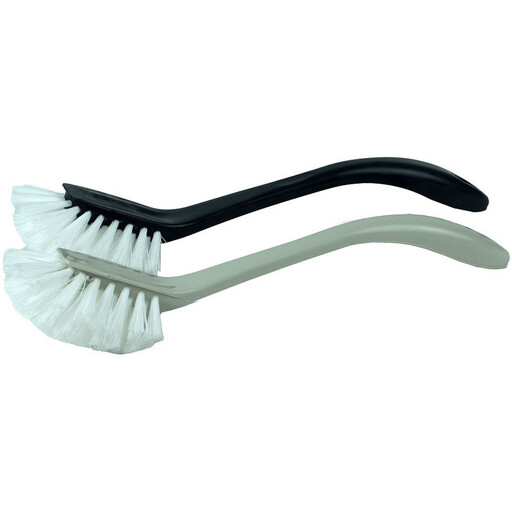
Why it suits this profile: A practical washing-up brush for plates, pans, pots and kitchen surfaces. It’s a good first cleaning brush for everyday household use.
The product description specifies how to use it, along with its ergonomic handle and material, rather than relying on a vague claim about strength.
Ergonomic grip, plastic construction and suitable for several kitchen surfaces. Rinse after use and leave to dry.
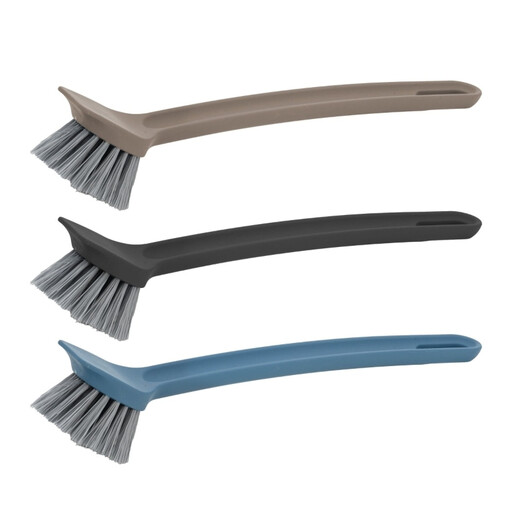
Why it suits this profile: For households that care about material choices and want a brush for pre-cleaning dishes before putting them in the dishwasher.
The specifications state that the handle is made from 100% recycled PP granulate and the bristles from 100% nylon, making it easy to check the materials.
Ergonomic handle, nylon bristles and a design that, according to the product information, absorbs little water.
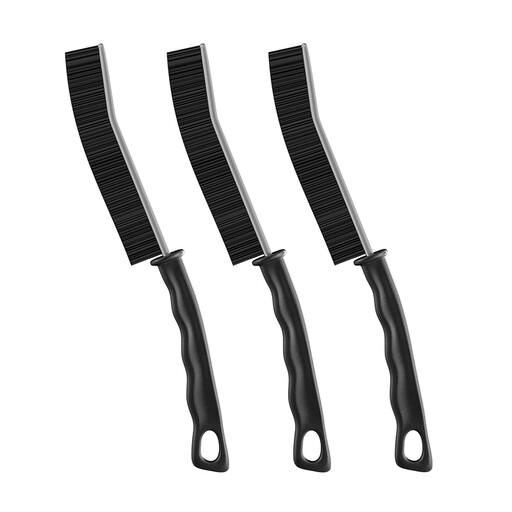
Why it suits this profile: Suitable for gaps, edges and other hard-to-reach areas that an ordinary household cleaning brush can’t reach properly.
The long handle is designed for tight spaces, so you don’t have to reach for a wide brush when cleaning a narrow gap.
A pack of three with a long-handled design for everyday cleaning of gaps and crevices.

Why it suits this profile: For cleaning baby bottles, water bottles, flasks, vases and other narrow containers.
The flexible bristles are designed to reach awkward corners, and the included stand helps the brush dry.
Lightweight at 0.04 kg, with flexible bristles and a flat stand for storage and drying.
For the toilet, you can choose a toilet brush with holder, such as the Emmama version with a drip tray, or a standalone toilet brush with a rim cleaner. For radiators, the 64 cm Radiator Brush is a logical choice thanks to its length. A lint roller with two spare rolls is useful for fabric surfaces, while a shoe brush set is designed for shoe care and not for use in the kitchen or bathroom.
A body brush or make-up brush should also be stored separately from household cleaning brushes. The product description for the docolor Mushroom Head Body Brush mentions synthetic fibres and use with make-up and body powder. That’s a different purpose from cleaning.
We’ve put together a complete, up-to-date list of products that meet these strict selection criteria and the applicable European safety requirements.
It depends on how often you use it, its material and how well you care for it. A brush used for washing up every day will wear out faster than a radiator brush used occasionally. Replace it as soon as the bristles come loose, bend or stop cleaning effectively. Rinsing it and letting it dry completely helps prevent unnecessary wear.
Choose a bottle brush with a narrow head, flexible bristles and a handle long enough to reach the bottom. A model with a stand or hanging loop is handy, as it can dry between uses.
A grout brush usually has a narrow head and firm bristles designed to fit into gaps. An ordinary cleaning brush often has a wider cleaning surface and is made for tables, tiles, pans or other larger areas. Only use the narrow brush on surfaces that can withstand the stiffness of its bristles.
