
Vandaag of morgen in huis

Kwaliteit gegarandeerd

Welkomstaanbiedingen ontgrendelen: GRATIS bezorging | Tot 80% korting | Gratis 30 dagen JoyPlus-proefperiode
Download de app
A brush may seem simple, but the wrong model can quickly become frustrating. A brush that is too hard can cause scratches, a handle that is too short puts your hands in contact with dirt, and a brush without proper ventilation can retain a damp smell. If you are looking for cleaning brushes, it is therefore best to first decide which task and surface are most important.
The Joybuy Product Recommendation Officer selects products based on verifiable features such as materials, dimensions, brush firmness and maintenance. This means you can compare products based on practical use rather than marketing language.
A stiff scrubbing brush is useful for tiles, grout or a patio, but is not suitable for glass, painted surfaces or delicate non-stick coatings. A soft dusting brush or car detailing brush has fine fibres that can pick up loose dust without rubbing harshly over the surface.
Always check what a brush is designed for. A grout brush and a crevice brush are made for narrow spaces, while a washing-up brush should mainly offer a secure grip and good control around crockery and pans.
The handle also affects how comfortably you can work. A short handle offers control when using a kitchen cleaning brush, while a longer handle is more practical for toilets, floors or showers. An anti-slip handle is also worth looking for. Untextured plastic can become slippery when wet.
The length should suit the task. A handle of around 22 cm is useful for pots, pans and sinks. For floors and outdoor surfaces, a 36 cm handle may be more comfortable, as it means you do not have to bend down as much.
Brushes that are left wet in a closed holder or drawer after use dry slowly. This can lead to unpleasant smells and cause the bristles to wear out more quickly. Rinse a brush thoroughly after use and allow it to dry completely in a well-ventilated place.
For a toilet brush, a holder with room for excess water to drain away is practical. If the brush has a removable microfibre head, washable material is an advantage, provided the component is dried properly after washing.
Do not use a stiff brush on high-gloss paint, polished wood or non-stick pans. If in doubt, test it on a small, inconspicuous area first.
Many models use PP or another type of plastic for the handle. This makes them lightweight and easy to rinse. Nylon or PET fibres can be suitable for everyday scrubbing, but the product description should specify which surfaces they are intended for.
For car interiors, soft fibres, microfibre or a combination of microfibre and PP are practical choices. Check the brush for sand or hard particles before use. According to the product instructions for some detailing brushes, any dirt left behind can cause scratches if you apply too much pressure.
A curved or flexible model can reach the back of a tap, a narrow gap or the area around a drain more easily. A long handle keeps your hands further away from water and cleaning products. Special brushes are needed for bottles, straws and baby accessories; a standard washing-up brush often cannot reach deep enough.
A cleaning brush set can be good value if you have several tasks to tackle, but compare the number of pieces and their dimensions first. A set containing three almost identical brushes is less useful than one with different heads for crevices, taps and small openings.
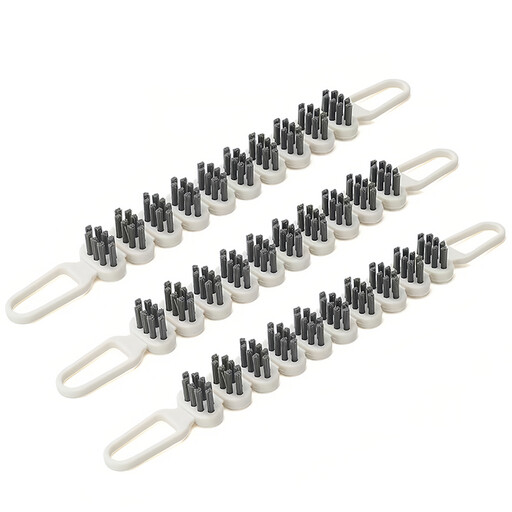
Why it suits this profile: A set of three brushes provides a simple starting point for the kitchen, bathroom and hard-to-reach areas.
The bendable design is intended for crevices and joins, so you do not have to use one large, cumbersome brush for everything.
Three pieces; dimensions of approximately 23 x 3 x 2 cm; suitable for bathrooms, taps and kitchens.
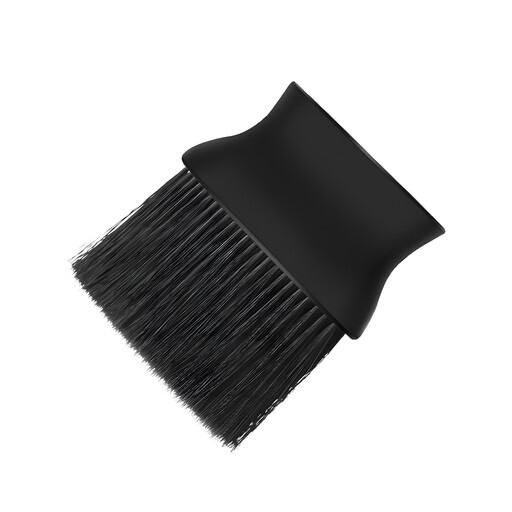
Why it suits this profile: Motorists who want to keep their dashboard, air vents and consoles meticulously clean can benefit from a compact, soft brush.
The soft, flexible fibres are designed for narrow openings; however, make sure the brush is clean and use light pressure on delicate areas.
PP handle with fibre bristles; compact dimensions of 12.3 x 11 x 10 cm; suitable for cars and around the home.
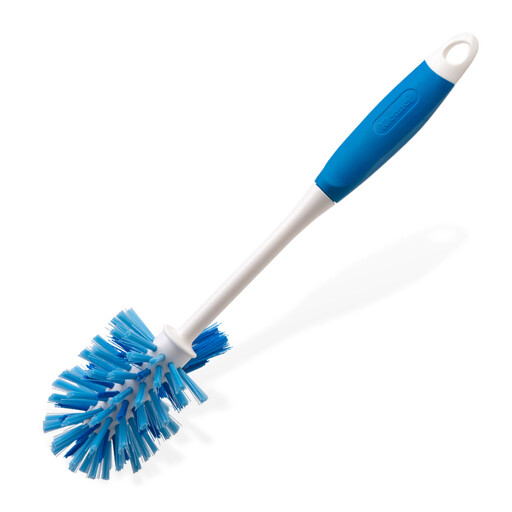
Why it suits this profile: Suitable for anyone who regularly scrubs floors, grout, patios or other robust surfaces.
The longer handle and stiff bristles make it clear that this model is intended for hard surfaces, not glass or high-gloss furniture.
36 cm handle; 29 mm bristles; TPR grip for secure handling when wet.
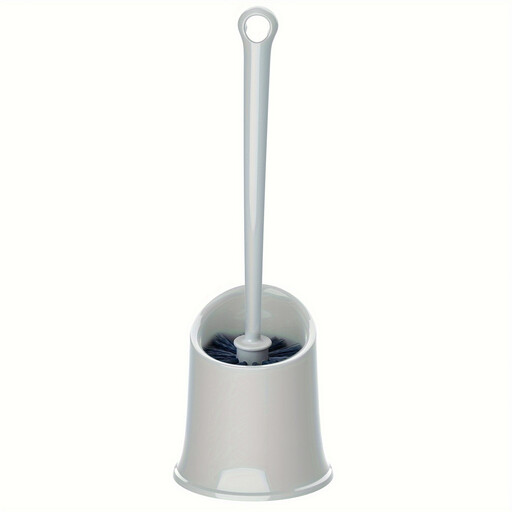
Why it suits this profile: This is a complete toilet brush set for anyone who wants to keep a brush and holder together.
The holder is designed to collect residue and allow the brush to drain; regular cleaning is still necessary.
Polypropylene; brush with holder; total height of approximately 36 cm.
We have put together a complete, up-to-date list of products that fully meet these strict selection criteria and the applicable European safety regulations.
Rinse a washing-up brush, pot and pan brush or bathroom brush after use with suitable water, and remove any food residue or hair. Do not use harsh products unless the product information permits this. Leave the brush upright or in a well-ventilated place to dry.
Extra care is needed with a car detailing brush: remove sand and hard particles before use, and do not rub paintwork or glass while dry. A bottle brush must be allowed to dry completely after cleaning, especially when it is used for drinking bottles. Replace any model as soon as the bristles start coming loose, become misshapen or no longer clean effectively.
For crockery and everyday washing-up, a washing-up brush with a comfortable handle is usually the most practical choice. For baked-on residue, you can use a pot and pan brush, but check that it is suitable for your pan. Do not use stiff bristles on non-stick coatings without checking first.
Choose soft fibres for glass, car paintwork, plastic and polished surfaces. Before use, check that there is no sand or hard residue caught between the bristles. Use light pressure and test a new product on an inconspicuous area first.
This depends on the material, how often it is used and which cleaning product you use. Replace the brush when the bristles are flat or splayed, when the handle is damaged or when it no longer cleans effectively. A set with several replaceable components can be useful for everyday use.
