
Vandaag of morgen in huis

Kwaliteit gegarandeerd

Welkomstaanbiedingen ontgrendelen: GRATIS bezorging | Tot 80% korting | Gratis 30 dagen JoyPlus-proefperiode
Download de app
A separate toilet brush, a grout brush for the bathroom or a radiator brush for dust between the fins: cleaning brushes may seem simple, but the wrong model can quickly disappoint. A handle that is too short will not reach awkward spots, bristles that are too hard can damage surfaces, and a holder without proper ventilation will remain damp.
This guide helps households, tenants, homeowners and small businesses compare cleaning brushes based on their use, materials, dimensions and maintenance requirements.
An inexpensive household cleaning brush may seem appealing, but also check the dimensions, bristle length and handle. A compact brush is useful in a small bathroom, while a long handle is more suitable for floors, radiators or areas behind furniture. A low purchase price is of little benefit if the brush is not suited to the task.
Stiff PP or nylon bristles are practical for baked-on dirt, grout and floors. However, they are not automatically suitable for every surface. Do not use a scrubbing brush with hard bristles on glass, varnished wood, delicate plastic or non-stick coatings without checking first. This is why the product information for some washing-up brushes explicitly states that they are not intended for certain non-stick surfaces.
With a toilet brush with holder, appearance is not the only important factor. Water and residue need to be able to drain away, allowing the brush and holder to dry between uses. Inadequate ventilation can cause moisture to build up. Rinse the toilet brush after use, clean the holder regularly and replace the brush when the bristles become worn or misshapen.
First choose the shape based on the cleaning task:
Many models are made from PP, nylon, PET or other plastic. Polypropylene is moisture-resistant and easy to rinse. Nylon bristles can be firm enough for kitchen and scrubbing tasks. Softer microfibre brushes are more suitable for dust on ventilation grilles, keyboards or plastic interiors.
Check whether the product description explains how the brush should be maintained. Avoid strong acids, alkalis, bleach or abrasive products if the manufacturer advises against them. Claims about durability or cleaning performance should be regarded as product information provided by the brand or seller; they are not a guarantee that every surface will deliver the same result.
The right length helps prevent unnecessary bending or stretching:
Also consider the width of the brush head. A wide head covers more floor area, while a narrow head is better for gaps and around taps.
The choices below are linked to specific product specifications and usage situations. Always check the current product page, dimensions and included components before buying.
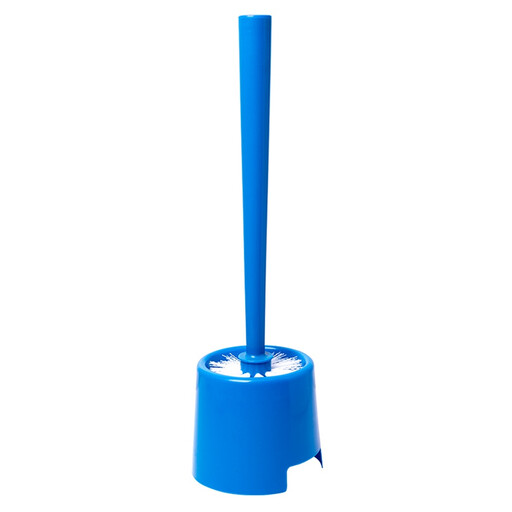
Why it suits this profile: This set combines a toilet brush with a holder, so you do not need to look for a separate storage solution. The total height is 37 cm and the base measures 11.5 × 11.5 cm.
The 25 mm PP bristles are specified for the toilet bowl, while the holder provides a designated place beside the toilet. Do not use the set on other surfaces.
PP plastic for the handle, holder and bristles; compact base; designed for toilets in homes, offices and hotels.
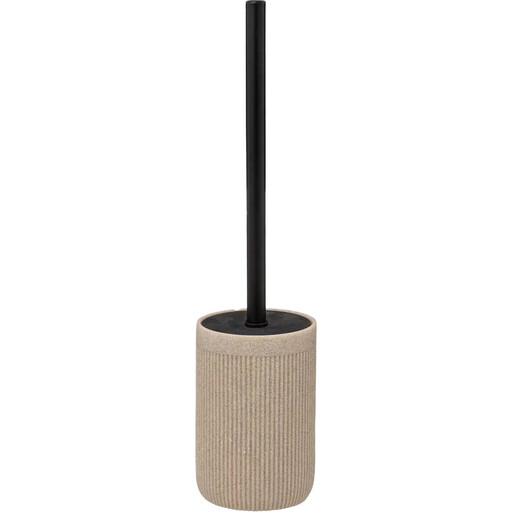
Why it suits this profile: A freestanding holder with an Onyx-style finish is ideal for anyone who values a calm, refined look in the bathroom as well as everyday practicality.
The brush is supplied as a complete set with a holder. Its dimensions of 9 × 9 × 40 cm make it easy to check the required space in advance.
Polyresin holder, stainless steel handle and polypropylene brush; freestanding design.
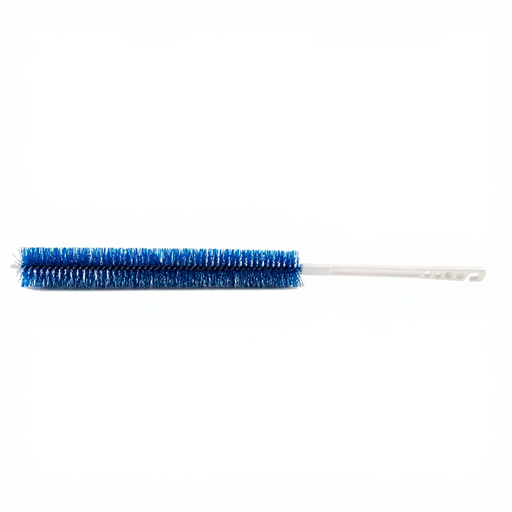
Why it suits this profile: Its 64 cm length is designed for radiators and other narrow spaces that are difficult to reach with an ordinary cloth or short brush.
The stated length and width of 5 cm make it clear which tight spaces the brush is designed for. Check the distance between your radiator fins.
64 cm long, 5 cm wide and weighing 89 grams; hard plastic for a lightweight, long-reach brush.
A cleaning brush remains useful when dirt and moisture are not left in the bristles for long periods.
For other tasks, options include a bottle brush, nail brush, washing-up brush or a flexible cleaning brush for awkward areas. If you maintain several areas around the home, you can combine separate brushes for each task rather than using one universal model everywhere.
We have put together a complete, up-to-date list of products that fully meet these strict selection criteria and the applicable European safety regulations.
Choose a grout brush with a narrow head and bristles suited to the tile and grout. Firm plastic bristles are practical for stubborn dirt. Use limited pressure on delicate tiles and test a small area first.
There is no fixed replacement period for every toilet brush. Replace the brush when the bristles come loose, bend or no longer reach properly beneath the rim. Also clean the brush and holder regularly and allow both to dry as much as possible.
A radiator brush with a long, narrow handle is generally practical for removing dust between the fins. Measure the space beforehand and check that the brush head fits. Use the brush on a cool radiator and follow the care instructions on the packaging.
