
Vandaag of morgen in huis

Kwaliteit gegarandeerd

Welkomstaanbiedingen ontgrendelen: GRATIS bezorging | Tot 80% korting | Gratis 30 dagen JoyPlus-proefperiode
Download de app
A brush may seem like a simple product, but you quickly notice when you have chosen the wrong one. A brush that is too soft will not remove baked-on dirt, while one that is too hard can damage surfaces. A short handle, a poorly fitting replacement brush head or a holder that allows water to collect can also make everyday use unnecessarily difficult.
There are three main pitfalls to consider when choosing brushes:
For floors, patios and stubborn dirt, stiff polypropylene bristles are practical. They provide more resistance when scrubbing and, according to the product description, are suitable for tiles, grout and outdoor surfaces, among other things. A cleaning brush with softer nylon or PET bristles is better suited to light cleaning.
A wire brush is designed for stubborn residue on suitable, robust materials. Steel wires can scratch paintwork, plastic, ceramics or delicate coatings. Always check the recommended surface first. For non-stick pans, a soft washing-up brush or sponge is generally a safer choice.
A longer handle is particularly useful when cleaning floors, shower walls and hard-to-reach areas. The blue scrubbing brush, measuring 36 cm, has a handle of this length and 29 mm-long bristles. This gives you greater reach without having to bend down repeatedly. A TPR rubber grip can also provide a better hold when the handle or your hands are wet.
For grout, edges and narrow gaps, a slim head is more important than a long handle. A grout brush with a compact profile can reach into tight spaces more effectively. If you choose a set with a long handle, also check its stability: a handle that is too flexible reduces the pressure you can apply to the dirt.
A toilet brush with holder should be able to drain and dry after use. A compact holder saves space, but it should not be completely sealed if water collects inside. Rinse the brush after use, clean the holder regularly and replace the brush as soon as the bristles become misshapen or worn.
Toothbrushes require a different maintenance routine. Product information for various Oral-B brush heads recommends replacing them approximately every three months, or sooner if the bristles become damaged. A manual toothbrush should also be replaced regularly. A fading indicator is a practical guide, but do not replace a brush head based on this alone if the bristles are already coming loose or becoming misshapen.
The right choice depends on the surface, the amount of pressure required and how often you use the brush. The recommendations below are based on verifiable product information such as dimensions, materials, compatibility and package contents.
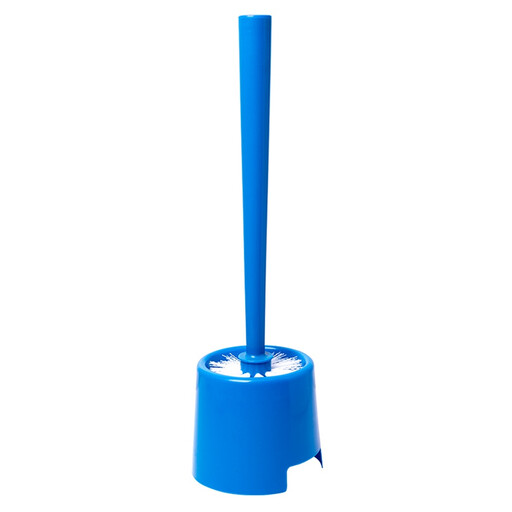
Why it suits this profile: This complete set with holder is ready to use and requires no assembly. The compact base fits beside many toilets.
The dimensions, 25 mm-long PP bristles and included holder are clearly specified. This means you do not need to buy any additional parts.
37 cm total height, an 11.5 x 11.5 cm base, and a set containing a brush and holder.
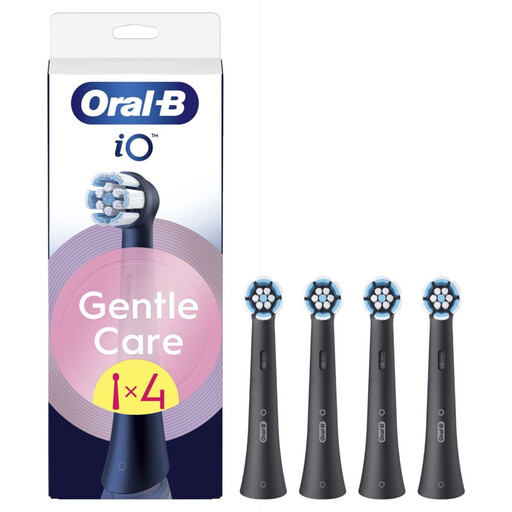
Why it suits this profile: These replacement brush heads are specifically designed for Oral-B iO handles and feature soft bristles with a protective outer ring.
Compatibility is limited to the iO range. This prevents the common mistake of ordering an iO replacement head for a different Oral-B handle.
Four replacement brush heads, soft bristles and colour-changing bristles to indicate when replacement is due.
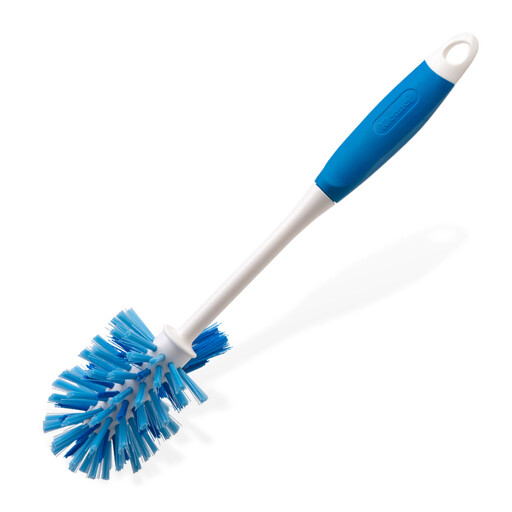
Why it suits this profile: The long handle and dense, stiff bristles are designed for cleaning floors, patios, grout and outdoor areas.
The product description warns against using it on glass and polished wood. This makes it clear that the scrubbing brush is not intended for every surface.
36 cm handle, 29 mm PP bristles, TPR grip and moisture-resistant plastic construction.

Why it suits this profile: This set combines a nylon brush with stainless steel and copper-plated wire brushes for a range of demanding cleaning tasks.
With several brush types included, you do not automatically have to use one overly hard wire brush on delicate surfaces. Choose the head according to the material.
Three brush types in one set and a double-sided design for targeted cleaning.
We have put together a complete, up-to-date list of products that fully meet these strict selection criteria and the applicable European safety regulations.
A grout brush with narrow, firm bristles is suitable for tight joints between tiles. First check that the brush is intended for your type of tile. Do not use a hard wire brush without checking on glazed tiles, sealant or delicate grout; always test it on a small, inconspicuous area first.
Its lifespan depends on how it is used, the cleaning product and the surface. Rinse a cleaning brush after every job and allow it to dry completely. Replace it as soon as the bristles fall out, curl or can no longer transfer sufficient pressure. A toilet brush and washing-up brush generally need replacing sooner when used intensively every day.
First check the range of your handle. The Oral-B iO Gentle Care and iO Ultimate Clean replacement brush heads described are designed for Oral-B iO handles. According to the product information, other Oral-B replacement brush heads, such as 3D White, Cross Action and Easy Clean, are suitable for Oral-B handles, except Pulsonic and iO. Always check the compatibility information on the product page before buying.
According to Oral-B's own research, certain brush heads can remove more plaque than a manual toothbrush. This is a brand claim and is not a general guarantee for every user. Above all, choose a suitable head, replace it on time and follow the instructions for use on the packaging.
