
Vandaag of morgen in huis

Kwaliteit gegarandeerd

Welkomstaanbiedingen ontgrendelen: GRATIS bezorging | Tot 80% korting | Gratis 30 dagen JoyPlus-proefperiode
Download de app
A loose brush may seem like a straightforward purchase, until the handle comes away after a few weeks, the bristles lose their shape or the design does not fit the intended angle. When choosing cleaning brushes, the decision is therefore about more than just price or appearance. The material, shape and dimensions determine whether a brush is suitable for everyday use in the kitchen, bathroom, living room, car or around pets.
A hard brush can be useful for grout or tiles, but less suitable for delicate surfaces. A soft washing-up brush is not designed for baked-on dirt in the bathroom. Always check what the brush is intended for according to the product specifications.
A short handle is awkward for floors, radiators and high shelves. A handle that is too long or does not lock securely can feel cumbersome during cleaning. Check the overall length, adjustability and how the handle is secured.
Brushes stored while wet can start to smell unpleasant or wear out more quickly. A holder, hanging loop or removable brush head makes maintenance easier. With a toilet brush and holder, it is also important that water can drain away and that the holder can be cleaned regularly.
For a washing-up brush, nylon or plastic bristles are practical because they are easy to rinse clean. For grout, garage floors and stubborn dirt, a stiffer brush may be more suitable. Do not automatically use a hard brush on painted, delicate or scratch-prone surfaces.
A rubber brush serves a different purpose from a traditional floor brush. According to the product specifications of some rubber brooms, rubber edges can collect hair, fluff and dirt from hard floors and carpets. However, check first which surfaces the model is intended for.
A radiator brush measuring 64 cm can reach between the fins without you having to put your hand deep behind the radiator. For tall cupboards or ceilings, a duster with a telescopic handle is more convenient. An adjustable handle can save space, but check that the locking mechanism is secure enough for the movements you plan to make.
For bottles and narrow glasses, length is not the only important factor. The diameter of the brush head and the flexibility of the bristles determine whether the inside can be reached properly. A bottle brush with a hanging loop or stand can also dry more quickly.
The right shape helps you avoid unnecessary scrubbing. A grout brush needs a narrow head, while a floor brush should cover a wider area. In the bathroom, a toilet brush, grout brush and, if necessary, a small utility brush are often more useful than one large model.
If you regularly remove pet hair, look for rubber bristles or a rubber squeegee edge. A floor brush for pet hair is especially practical when you want to clean both hard floors and carpets. For clothing and furniture, a lint roller can provide an additional solution.
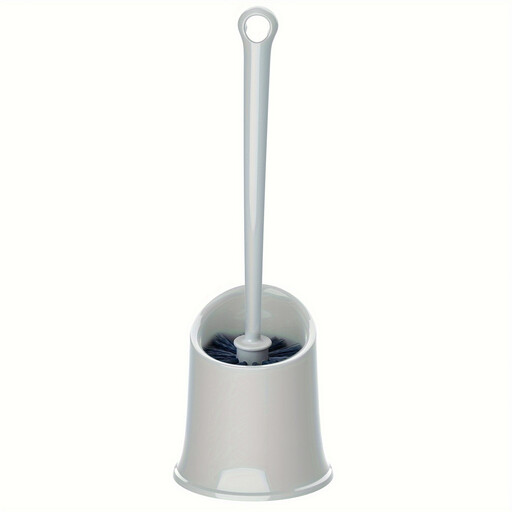
Why it suits this profile: A complete toilet brush set is a practical choice for a household that needs a ready-made, dedicated toilet solution straight away.
The set includes both a brush and holder. The product specifications mention a drip-through design for drainage and a cover to prevent splashing.
Polypropylene construction, approximately 36 cm high and no installation required.
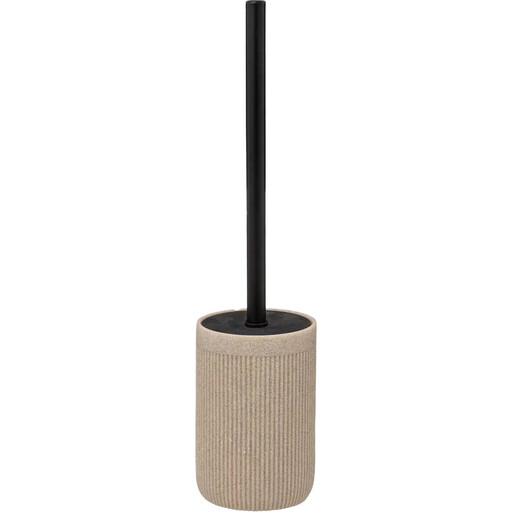
Why it suits this profile: Suitable for anyone who values material quality and a neutral look in the bathroom as well as ease of use.
The freestanding holder keeps the brush from being left loose on the floor. The dimensions are clearly stated in advance: 9 x 9 x 40 cm.
Stainless steel handle, polypropylene brush and a polyrésine holder.
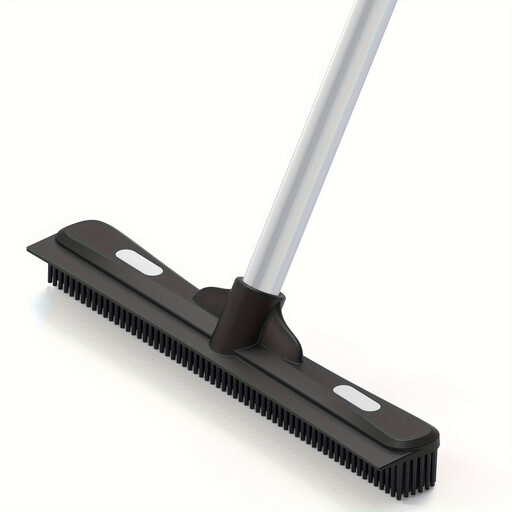
Why it suits this profile: A practical choice for households with pets and for anyone who wants one tool for floors and smooth surfaces.
The product specifications mention both rubber bristles and an integrated squeegee edge. This makes its function clearer than a brush with only a general claim of versatility.
61-inch adjustable handle and a 2-in-1 design for collecting dirt and clearing liquids from smooth floors.
We have compiled a complete, up-to-date list of products that fully meet these strict selection criteria and the applicable European safety regulations.
For personal care, such as a nail brush, you should also avoid pressing too hard. A brush is not a substitute for professional care when dealing with skin problems.
For hard floors and carpets, a rubber floor brush may be suitable because, according to the product specifications, rubber bristles can collect dirt, fluff and pet hair. For clothing, sofas and other textile surfaces, a lint roller is often a useful addition.
This depends on the material, frequency of use and maintenance. Replace a brush when the bristles have become badly misshapen, the head comes loose or it no longer picks up dirt effectively. With a toilet brush, replacement is advisable as soon as the brush head is visibly worn.
Technically, this may sometimes be possible, but it is more practical to keep brushes for different rooms or tasks separate. For example, use a washing-up brush for crockery and a separate grout brush or toilet brush for the bathroom. This helps prevent mix-ups and ensures you choose the right level of stiffness for each surface.
