
Vandaag of morgen in huis

Kwaliteit gegarandeerd

Welkomstaanbiedingen ontgrendelen: GRATIS bezorging | Tot 80% korting | Gratis 30 dagen JoyPlus-proefperiode
Download de app
A good cleaning brush makes household chores easier, but not every brush is right for every job. A washing-up brush for pans needs different features from a bottle brush, grout brush or toilet brush with a holder. For personal care, it’s also important to consider the material, how you’ll use it and how to maintain it.
Product descriptions can sound convincing, yet leave out important details. So keep an eye out for these three common pitfalls:
The stiffness of the bristles should suit the surface. A scrubbing brush with firm bristles is suitable for tiles, grout and hard-wearing surfaces. More flexible bristles are a better choice for crockery, glass and delicate kitchen materials.
A toilet brush with a holder needs sufficiently stiff nylon or plastic bristles to clean the toilet bowl. Check that the shape can reach under the rim, too. A grout brush usually needs a narrow head so you can work precisely between tiles.
There are several options for the kitchen:
A short brush offers more control for smaller tasks, such as brushing your nails or cleaning grout. For high shelves, ceilings and ventilation grilles, a dusting brush with a telescopic handle is more convenient. An extendable handle reaching up to 105 cm can give you extra reach without having to stand on a chair.
A longer handle is useful on a bathroom brush or bath brush, as it’s easier on your back and helps you reach awkward spots. Also look for a non-slip handle and check the overall weight. A heavy brush can become awkward to use for long periods.
Plastic is lightweight and easy to rinse clean. Nylon bristles are sturdy and commonly used for toilet brushes and washing-up brushes. Some models use recycled plastic materials. For example, the YORK Dish Brush Plastic Round Natural lists a handle made from 100% recycled PP granulate and nylon bristles.
How long a cleaning brush lasts depends on more than just its material. Its lifespan is also affected by:
Rinse brushes after use and stand them upright, or place them in a holder that allows water to drain away. Replace a brush as soon as the bristles start to come loose, become badly bent or stop cleaning properly.
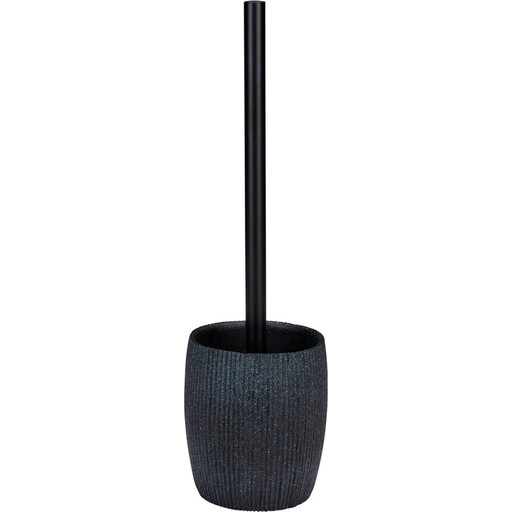
Why it suits this profile: A simple toilet brush set for households looking for a compact, freestanding option that doesn’t need complicated installation.
The brush comes with a holder, so you don’t need to find a separate storage solution. Its dimensions are clearly listed.
Plastic construction, freestanding design and dimensions of 10.4 x 10.4 x 35.8 cm.
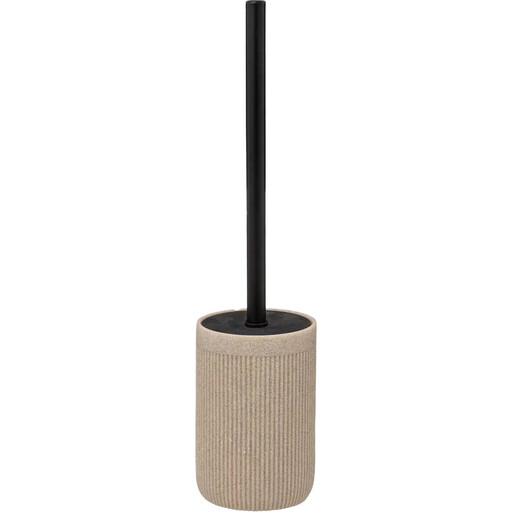
Why it suits this profile: A practical toilet brush for anyone who also values a neutral bathroom design and a metal handle.
The holder is freestanding, and the care advice recommends regular cleaning with a mild detergent.
Polyrésine holder, stainless steel handle, plastic brush and a height of 40 cm.

Why it suits this profile: For households that regularly clean narrow water bottles, flasks, vases or baby bottles.
Its narrow shape and flexible bristles are designed to reach the awkward areas inside narrow containers.
Includes a flat stand, weighs approximately 0.04 kg and has flexible bristles.
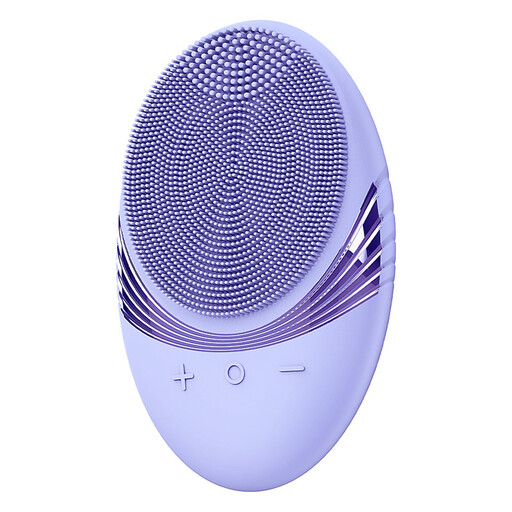
Why it suits this profile: For anyone looking for a compact silicone facial brush for their daily cleansing routine at home or on the go.
The contact surface is made of silicone, and you can adjust the intensity using five vibration settings. Always choose a setting that feels comfortable.
Five settings, USB charging, a 300 mAh battery and a hanging loop.
We’ve put together a complete, up-to-date list of products that meet these strict selection criteria and the applicable European safety regulations.
It depends on how often you use it and how much it has worn. With daily use, the bristles may bend or come loose over time. Replace the brush if it no longer cleans properly, is damaged or doesn’t get sufficiently clean after washing.
A bottle brush usually has a narrower, longer head for narrow openings. A washing-up brush is wider and designed for plates, pans and kitchen surfaces. This makes a bottle brush less practical for large, flat surfaces.
An electric facial cleansing brush is a tool for your daily skincare routine. Choose a soft contact surface and a low setting when you first use it. According to Sunluxy’s product description, the JMY-103 has a silicone contact surface and five vibration settings. Always check the instructions and stop if it feels uncomfortable.
