
Vandaag of morgen in huis

Kwaliteit gegarandeerd

Welkomstaanbiedingen ontgrendelen: GRATIS bezorging | Tot 80% korting | Gratis 30 dagen JoyPlus-proefperiode
Download de app
A brush may seem like a simple purchase, but the wrong one can quickly prove awkward to use. An washing-up brush with bristles that are too stiff can damage crockery, a toilet brush without a suitable holder can leave water on the floor, and a bottle brush that’s too short won’t reach the bottom of a narrow bottle.
If you’re looking for cleaning brushes, it’s worth comparing the task, dimensions and materials first. That way, you won’t pay for a brush that barely gets used in practice.
A household brush for tiles, a carpet brush and a washing-up brush all need different features. Stiff plastic bristles can be useful for grout, but less suitable for delicate crockery. A soft feather duster, on the other hand, is designed for loose dust, not baked-on dirt.
So start by choosing the right type for the job:
The bristles aren’t the only thing that affects how comfortable a brush is to use. Consider the handle shape, overall length and how you’ll store it. A long-handled cleaning brush can put less strain on your back and arms when you’re cleaning high or hard-to-reach areas, but it takes up more space.
Also check that the handle is securely attached to the brush head. With a telescopic car-washing brush, the locking mechanism is particularly important. A loose or poorly fitted head makes cleaning awkward and can cause scratches if dirt gets trapped between the fibres.
Words such as ‘extra strong’, ‘hygienic’ or ‘scratch-free’ don’t tell you much without technical details. Instead, look for information such as material, length, brush type, weight, whether a holder is included and care instructions. Don’t treat claims about performance as proven facts: a brand’s product description may say that a design is intended for a particular use, but the results also depend on the surface, dirt and pressure applied.
A plastic brush is lightweight and easy to rinse. Polypropylene is often used for brush heads and holders. Nylon and other synthetic fibres can be suitable for washing-up and household brushes. For crockery, a soft or rounded brush head is more practical than very stiff bristles.
With a toilet brush, the holder matters as well as the brush itself. A holder made from plastic, ceramic or polyresin affects how stable the set is and how easy it is to clean. Look for a design that lets moisture drain away, and check that the holder will fit in the space available.
Measure the area where you’ll use the brush before you order. A 35 cm bottle brush, for example, is designed for tall or narrow containers, while a compact 8.5 cm nail brush fits easily in a bathroom cabinet.
For a long-handled brush, check:
A longer handle isn’t always more practical. In a small shower or kitchen, a shorter model may be easier to manoeuvre.
Rinse a washing-up brush, bottle brush or toilet brush thoroughly after use. Then leave it to dry completely. A washing-up brush that’s listed as dishwasher-safe in the product information can be more convenient, but always check the instructions on the packaging.
Replace a brush if the bristles come loose, bend or no longer spring back into shape. Don’t use harsh cleaners or abrasives on delicate surfaces without checking the material information first.
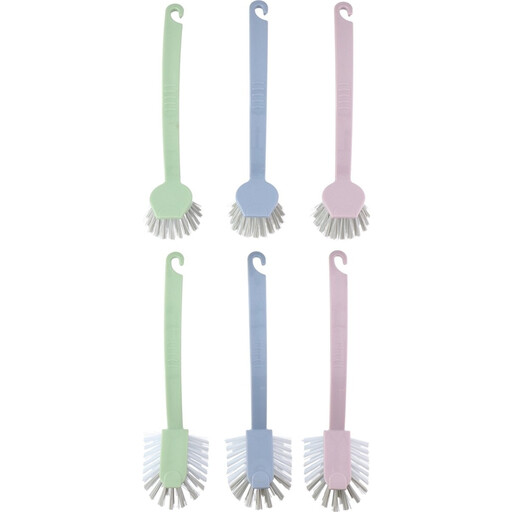
Why it suits this type of buyer: A straightforward plastic washing-up brush for everyday use at home. At 28 cm long according to the product specifications, it offers a practical grip without taking up much storage space.
It’s clearly designed as a washing-up brush, so you won’t need to use one all-purpose brush on different surfaces.
Plastic construction, one brush per pack and a length of 28 cm according to the product information.
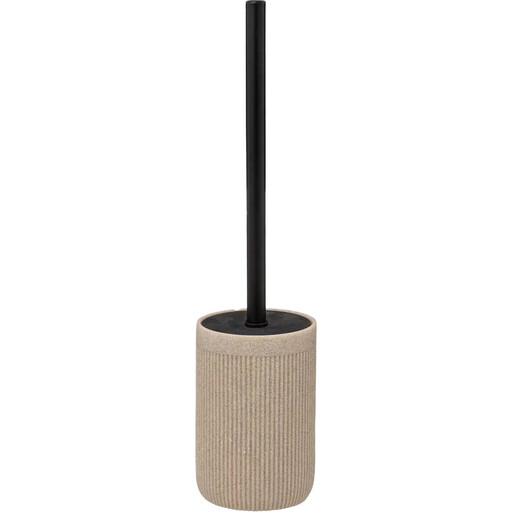
Why it suits this type of buyer: If you’re looking for a toilet brush with a holder that stands on the floor, this complete set has a modern, dark finish.
The holder is included, so you won’t need to find a separate storage solution later. The dimensions of 9 x 9 x 40 cm are clear from the outset.
Freestanding design, stainless steel handle, polypropylene brush and polyresin holder according to the product specifications.
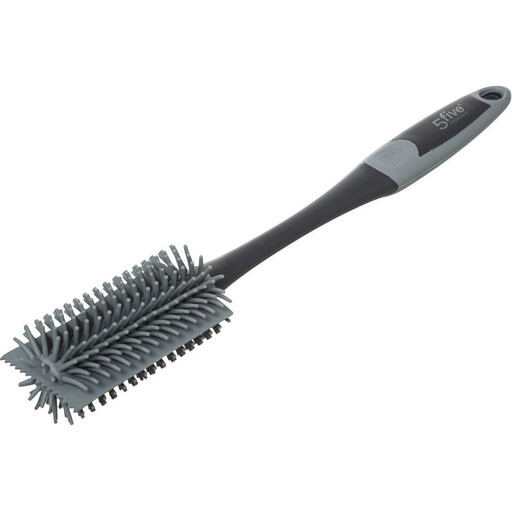
Why it suits this type of buyer: For narrow glasses, baby bottles and other tall containers that an ordinary washing-up brush can’t reach deep enough into.
Its 35 cm length and design for narrow openings make it clearer what this brush is for than a general-purpose household brush.
Rubber bristles, non-slip handle, scraper edge and dishwasher-safe design according to the product information.
We’ve put together a complete, up-to-date list of products that meet these strict selection criteria and the applicable European safety regulations.
A grout brush usually has a narrow head and fairly stiff bristles, making it easier to work precisely along tile edges. Don’t automatically use the same brush on sealant, natural stone and glazed surfaces. First check that the material can withstand the pressure and cleaning product you plan to use.
Its lifespan depends on how often you use it, the type of dirt, the water and how well you care for it. A brush that’s rinsed after every use and stored dry will generally stay usable for longer than one that’s left wet in a closed holder. Replace the brush if the bristles come loose, it develops cracks or the head becomes misshapen.
The cost of use usually includes the purchase price and any replacements. A washing-up brush or nail brush doesn’t need electricity. With a car-washing brush, you’ll also need water and car shampoo. Choose a model that’s suited to the task, so you’re less likely to have to replace several unsuitable brushes.
