
Vandaag of morgen in huis

Kwaliteit gegarandeerd

Welkomstaanbiedingen ontgrendelen: GRATIS bezorging | Tot 80% korting | Gratis 30 dagen JoyPlus-proefperiode
Download de app
A single cleaning brush may seem like a small purchase, but the wrong one can quickly disappoint. A brush that’s too soft will barely shift dried-on dirt. One that’s too hard can damage tiles, plastic or painted surfaces. An awkward handle can also leave you abandoning the brush after just a few cleaning sessions.
When choosing cleaning brushes, there are three common pitfalls to watch out for:
A firm scrub brush can be useful for grout, floors and outdoor surfaces. A model with stiff plastic bristles is suitable for dirt lodged in tiles or textured flooring. Don’t use this type of brush on glass, polished wood, delicate plastic or painted surfaces without testing it first.
Softer fibres are better suited to furniture, dashboards and electronics. A dusting brush or brush for hard-to-reach areas should pick up dirt without scouring the surface. For a car detailing brush, soft, flexible bristles and the absence of metal parts are practical features to look for.
The shape of the brush determines where you can use it. A short grout brush gives you more control around taps and tile edges. A long, slim radiator brush is more convenient for cleaning radiators. A 64 cm model, such as the Dumortier brush, can reach between the fins without you having to remove the radiator.
A longer handle is useful for floors and carpets. According to the product description, the emmama rubber floor brush has an adjustable 61-inch handle and an integrated squeegee edge. This makes it suitable for larger areas and spills on smooth floors, but always check that the surface is suitable for rubber and moisture.
Plastic such as PP is lightweight and easy to rinse clean. Rubber can collect hair and fluff, while microfibre is suitable for loose dust on items such as air vents and furniture. A pet hair brush is only practical if it’s easy to clean after use.
Check the care instructions too. Some brushes can be washed with water and mild soap, while others need to be kept dry. Avoid strong acids, bleach or solvents if the product information advises against them. If you’re buying a brush for a robot vacuum cleaner, check that it’s an exact match for your model. According to the product information, the MOVA ACC-BRUSH-MA-1 is designed for the E30 and P50 Ultra, so it isn’t a universal replacement.
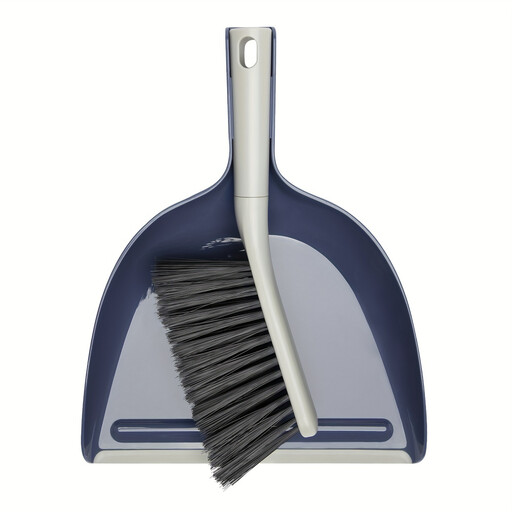
Why it suits this profile: This compact set is designed for crumbs, dry spills and everyday tidying in the kitchen, living room or bedroom. It includes a hand brush and dustpan.
The product description mentions a rubber edge on the dustpan and a compact design. That means you don’t need to combine separate items for small tidying jobs.
Made from polypropylene, ready to use straight away and washable with warm water and soap.
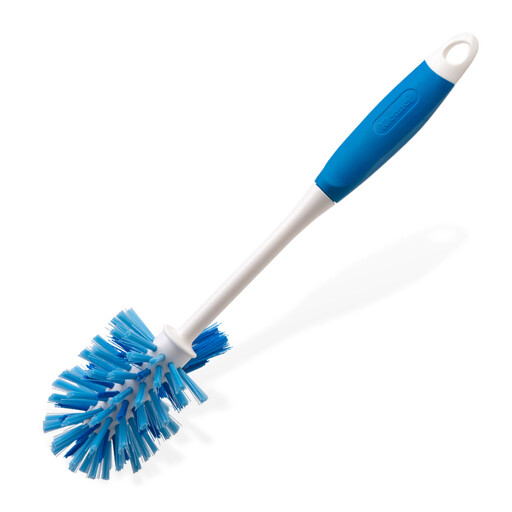
Why it suits this profile: The long handle and dense brush head are designed for floors, grout, patios and garage surfaces where extra scrubbing power is needed.
The specifications state that it’s 36 cm long, with 29 mm bristles. This lets you check in advance whether the size is right for your cleaning task.
PP bristles, a TPR handle and a dense head; not designed for delicate or easily scratched surfaces.
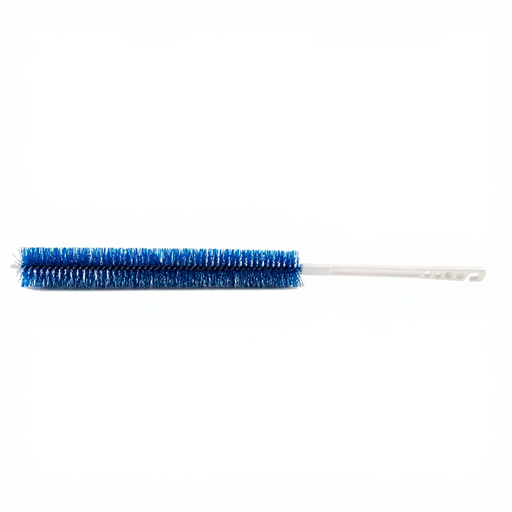
Why it suits this profile: This long, slim radiator brush is made for tight spaces between radiator fins and other hard-to-reach areas.
Its length of 64 cm and width of 5 cm are clearly stated. This reduces the risk of choosing a brush that’s too wide for a narrow radiator.
Hard plastic, 64 cm long and weighing approximately 89 grams.
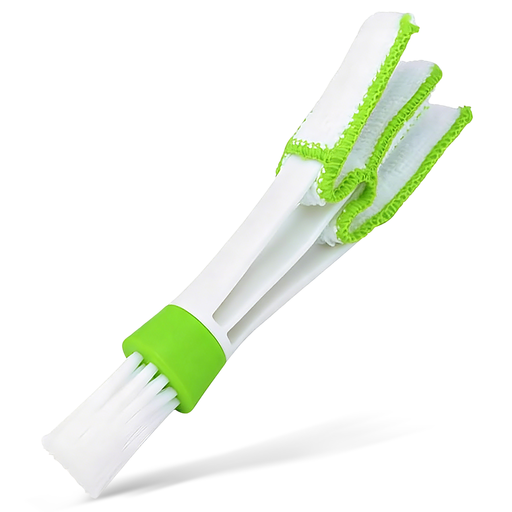
Why it suits this profile: The double-ended head is designed for air vents, dashboards, keyboards, blinds and narrow crevices at home or in the car.
The brush combines microfibre and PP bristles, with no metal parts. According to the product description, the cleaning head is removable and washable.
Measures 16 x 6 x 2,5 cm, with a removable head; suitable for dry use or careful cleaning with a mild product.
We’ve put together a complete, up-to-date list of products that meet these strict selection criteria and the applicable European safety regulations.
A grout brush with firm, narrow plastic bristles gives you control along tight tile joints. Check first that the brush is suitable for your type of tile. Don’t use a hard brush on delicate coatings without testing it first.
Remove any visible dirt, rinse the brush with lukewarm water and use mild soap if permitted. Let the bristles air-dry completely. Always check the care instructions, especially for brushes with microfibre, rubber or metal parts.
Its lifespan depends on how it’s used, the cleaning products and surfaces involved, and how it’s stored. A brush that’s rinsed regularly and stored dry will generally keep its shape for longer. Replace it as soon as the bristles become flattened, come loose or risk causing scratches.
