
Vandaag of morgen in huis

Kwaliteit gegarandeerd

Welkomstaanbiedingen ontgrendelen: GRATIS bezorging | Tot 80% korting | Gratis 30 dagen JoyPlus-proefperiode
Download de app
A cleaning brush might seem like a simple household item, but picking the wrong one can quickly become frustrating. A brush that's too soft won't shift caked-on pans, while one that's too hard can leave scratches. A short handle, poorly stated dimensions, or a brush that stays damp after use can also make the product far less practical.
This buying guide helps you compare cleaning brushes based on their use, material and maintenance. That way, you can make a targeted choice for the kitchen, bathroom, floor, car or a home with pets.
The claim "multi-functional" sounds handy, but a washing-up brush, grout brush and floor brush all need different features. A washing-up brush should feel comfortable in the hand and be suitable for crockery. A grout brush, on the other hand, needs narrow, stiff bristles to get into the gaps.
For pet hair on carpet, a rubber pet hair brush often works differently from a standard dusting brush. So, look first at the surface and the type of dirt, and only then at the number of functions.
A low price can be tempting, but you should also check the type of material, dimensions and included parts. With a toilet brush, for example, it's important whether a holder is included. With a bottle brush, what matters most is whether the brush head fits through the opening.
A product with an ergonomic shape isn't automatically suitable for prolonged use. Check whether the length and handle are right for the job you want to do.
Brushes that stay wet for a long time can develop unpleasant odours and wear out more quickly. Where possible, choose a design that can drain well or be hung up to dry. A holder with space for drainage, like some toilet brushes have, is more practical than a completely enclosed pot where water can collect.
The hardness of the bristles determines how much pressure you can use:
Also pay attention to the handle. Plastic is lightweight and easy to clean. An aluminium handle can be practical with an adjustable floor brush or car wash brush, but check that the locking mechanism is secure.
The right shape prevents you from having to use unnecessary force. A narrow grout brush gets into crevices better than a round washing-up brush. A long handle is handy for floors, high shelves and hard-to-reach spots. Check the total length and whether the handle is adjustable.
With a bottle brush, the diameter of the opening, the length of the brush head and the flexibility of the bristles are important. For a toilet brush, pay attention to the handle length, the head diameter and whether it has a rim cleaner.
Rinse a washing-up brush, nail brush or bottle brush thoroughly after use and let it dry completely. Do not use harsh chemicals if the product information advises against it. Regularly check the bristles and handle for shedding, cracks or distortion.
Use different brushes for the kitchen, toilet, pets and car. This prevents dirt from being transferred between tasks. Always follow the instructions on the packaging and only use a wire brush on surfaces for which it is intended.
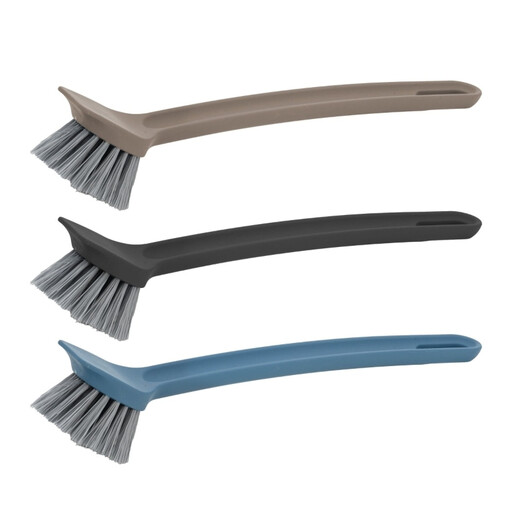
Why this fits the profile: This compact washing-up brush is designed for daily use in the kitchen and has a handle made from recycled PP granules.
The product information mentions nylon bristles, an ergonomic handle and a design that dries quickly. Check the current packaging for usage details.
100% recycled PP handle, nylon bristles and suitable for pre-rinsing crockery before the dishwasher.
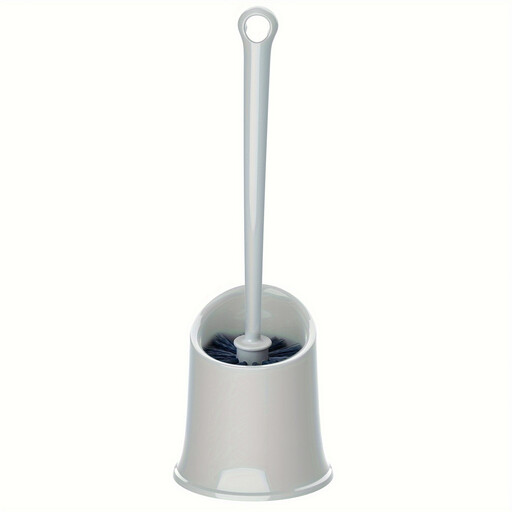
Why this fits the profile: A complete toilet brush set for anyone who values a fixed place and tidy storage in the bathroom.
The set includes a holder with a drip-through design, so water and residue can drain away. The brush and holder should be cleaned regularly.
Polypropylene material, splash guard and a height of approximately 36 cm including the holder.
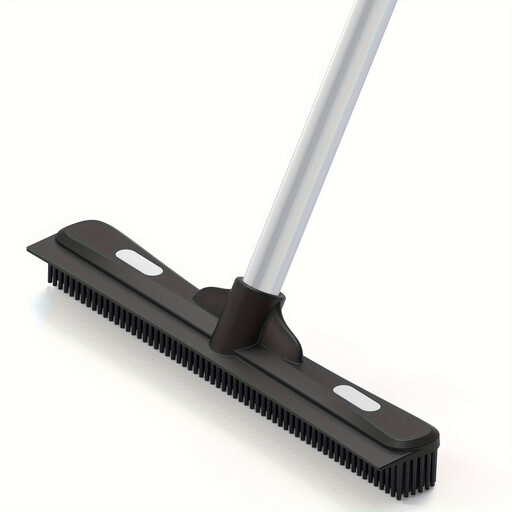
Why this fits the profile: For pet owners who want to tackle hair on carpet and hard floors, and also need to remove liquids from smooth surfaces.
The adjustable handle means you don't need a separate long brush for each area. Use the rubber head per surface and rinse it off afterwards.
Rubber cleaning head, built-in squeegee and adjustable handle up to 61 inches according to the product description.
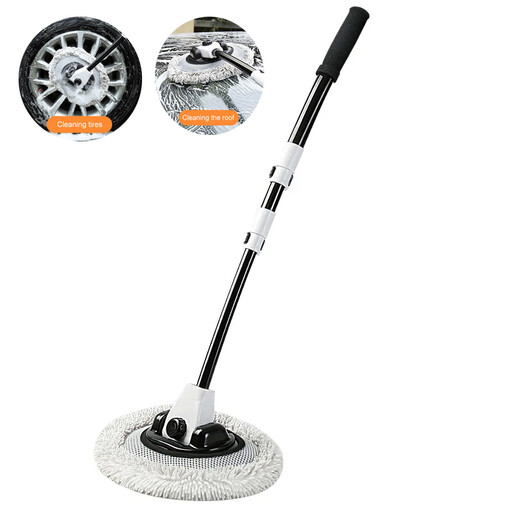
Why this fits the profile: For car owners looking for an adjustable car wash brush for different vehicle types and hard-to-reach areas.
The usage instructions advise rinsing off sand first, working gently and detaching the head after washing to let it dry.
Chenille head, 90° adjustable head, telescopic three-section handle and a 15° angled handle according to the product description.
We've put together a full, up-to-date list of products that fully meet these strict selection criteria and comply with current European safety regulations.
Choose a grout brush with a narrow head and stiff plastic bristles. If in doubt, measure the width of the grout line and check that the brush is suitable for tiles and grout material. A wire brush can be too harsh for glazed tiles or delicate surfaces.
Rinse the brush immediately after use, remove any leftover dirt and let it air dry completely. Keep a toilet brush and lavatory brush separate from kitchen brushes. Replace the brush as soon as bristles start to shed, the head becomes distorted or the handle is damaged.
The lifespan depends on how often it's used, the type of dirt, the pressure applied and how well it's maintained. A washing-up brush used daily may wear out more quickly than a dusting brush. Don't just rely on a promised lifespan; regularly check the condition of the bristles, joints and handle.
