
Vandaag of morgen in huis

Kwaliteit gegarandeerd

Welkomstaanbiedingen ontgrendelen: GRATIS bezorging | Tot 80% korting | Gratis 30 dagen JoyPlus-proefperiode
Download de app
A cleaning brush may seem like a simple household product, but choosing the wrong design can quickly lead to disappointment. A handle that is too short, bristles that lose their shape or a holder where water collects are all common reasons for having to buy a new brush.
This applies to a washing-up brush, toilet brush, bottle brush, grout brush and car detailing brush. So don’t just consider the colour or shape. Pay particular attention to the material, dimensions and intended surface.
A hard cleaning brush can be useful for baked-on residue, grout or robust surfaces. However, firm bristles can scratch non-stick coatings, painted car interiors or polished materials. A soft cleaning brush is better suited to delicate surfaces and removing loose dust.
Always check what the brush is designed for. A pan scraper or wire brush is not automatically suitable for crockery, bathroom fittings or car paintwork.
A long handle may seem practical, but the balance between the handle, brush head and grip determines how comfortable the brush is to use. A toilet brush measuring around 36 to 40 cm provides good reach, while a radiator brush measuring 64 cm is designed for narrow, deep spaces. For a small sink, such a long design may be awkward.
Also consider the diameter of the brush head. A wide head cleans larger surfaces quickly, but is less easy to use inside a narrow bottle, corner or grout line.
With a toilet brush with holder, moisture often remains after use. A closed base without space for drainage can therefore be difficult to keep clean. Look for a holder that keeps the brush stable and allows water to drain away. Clean both the brush and holder regularly, and replace the brush when the bristles become worn or misshapen.
Many household brushes use PP, nylon, PET or natural fibres. PP bristles are generally firm and suitable for scrubbing. Nylon is often used for washing-up brushes and household cleaning brushes because of its resilience. Soft fibres are better for dust, ventilation grilles and delicate surfaces.
Check that the product information clearly states which material has been used. A general term such as “extra strong” tells you little without information about the fibres, head or handle.
The right size depends on the cleaning task:
A non-slip handle can be useful when working with water and washing-up liquid. A hanging hole helps the brush dry, while a stand or holder keeps it off the worktop. Also check whether the brush is easy to rinse and whether the materials can withstand normal use with cleaning products.
Do not use harsh chemicals unless the product information permits this. With a washing-up brush, it is advisable to rinse away food residue and soap thoroughly after use. Then allow the brush to dry completely.
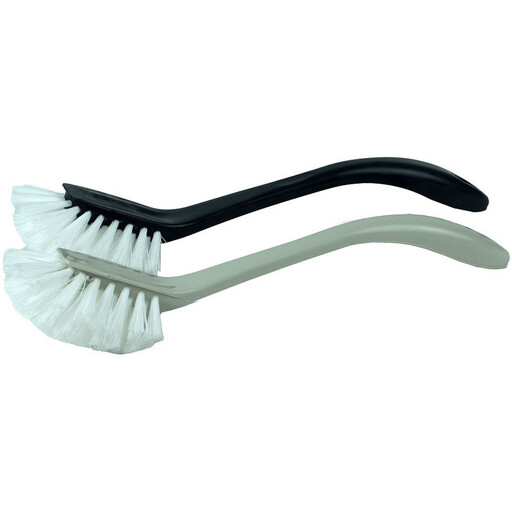
Why it suits this profile: A simple washing-up brush for everyday use on plates, pans and kitchen surfaces. The product description specifies a plastic design, an ergonomic handle and one brush per pack.
The intended use and maintenance requirements are clearly described. Rinsing the brush and leaving it to dry upright helps prevent food residue from remaining in the bristles.
Plastic handle, ergonomic shape and suitable for everyday washing-up tasks according to the product information.
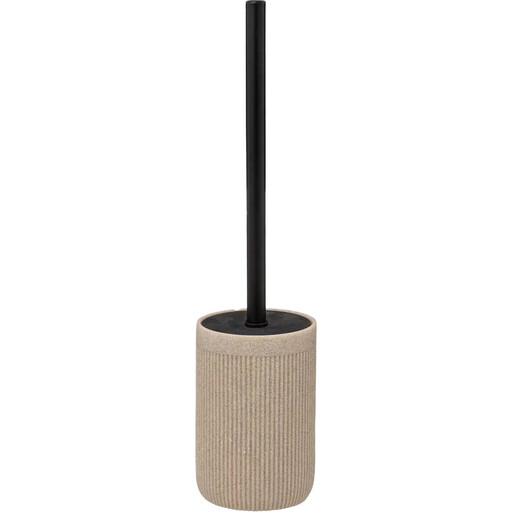
Why it suits this profile: Suitable for a bathroom where appearance and a fixed position are important. The freestanding holder measures 9 x 9 x 40 cm according to the product specification.
The brush comes with a matching holder, so there is no need to find a separate stand. Regular cleaning is still required.
Polypropylene brush, stainless steel handle and freestanding holder according to the product specification.
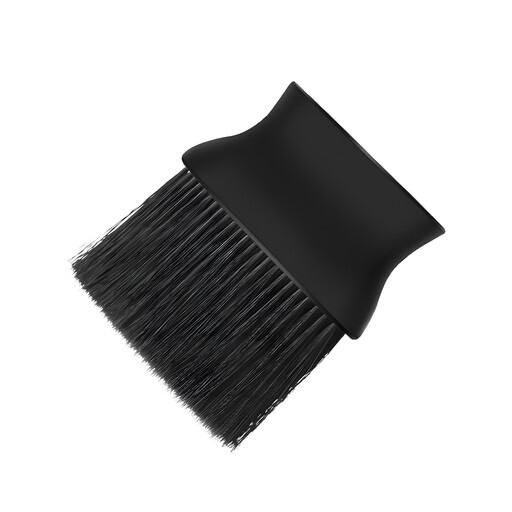
Why it suits this profile: Designed for car owners who want to remove dust from ventilation grilles, seams, dashboards and consoles. According to the product information, the compact brush measures 12,3 x 11 x 10 cm.
The product information advises checking the bristles for sand and hard particles before use. This helps reduce the risk of scratches when used carefully.
PP handle, fibre bristles and a compact size; intended for car interiors, narrow gaps and similar household applications.
We have put together a complete, up-to-date list of products that fully meet these strict selection criteria and the applicable European safety regulations.
Rinse the brush with water immediately after use and remove any visible residue. Leave it to dry upright or in a well-ventilated place. Clean a toilet brush and holder periodically with a suitable bathroom cleaning product. Always follow the instructions on the packaging.
Its lifespan depends on how often it is used, the cleaning products involved and the type of surface. Replace the brush as soon as the bristles start falling out, bending or failing to clean evenly. If it is used intensively in an office, hotel or catering establishment, keeping spare brushes in stock may be practical.
Use soft fibres on glass, painted surfaces and car paintwork. Before use, check that there is no sand or other hard debris caught between the bristles. A hard brush is intended for suitable robust surfaces, not for every cleaning task.
