
Vandaag of morgen in huis

Kwaliteit gegarandeerd

Welkomstaanbiedingen ontgrendelen: GRATIS bezorging | Tot 80% korting | Gratis 30 dagen JoyPlus-proefperiode
Download de app
A cleaning brush may seem like a simple product, but the wrong model can quickly become frustrating. A brush that is too soft will only move dirt around, while stiff plastic bristles can scratch delicate surfaces. Many people also buy a feather duster for areas that actually require a grout brush, radiator brush or vacuum cleaner brush.
So don’t focus only on colour, price or a general promise such as “thorough cleaning”. Pay particular attention to the intended use, dimensions, material and how the brush should be maintained.
A brush for tiles or grout is not automatically suitable for furniture, glass or your car’s interior. Stiff bristles can damage delicate surfaces. For dust on a cupboard, ventilation grille or dashboard, you will usually need a dusting brush with soft fibres.
Use a hard brush mainly on robust surfaces. For delicate materials, choose a furniture brush, microfibre brush or car detailing brush with flexible bristles.
A long handle is useful for radiators, ceiling corners or high cupboards, but it does not always make a hand brush more convenient. Also check the width of the brush head and whether it fits into the available space. For example, a 64 cm radiator brush is designed for the narrow gaps between and behind radiators. For a kitchen worktop, such a long model is less practical.
A reusable cleaning brush can offer good value, but only if you clean it correctly and allow it to dry completely. Damp bristles can cause unpleasant odours. With a feather duster or dusting brush, you should also first check whether the fibres may be cleaned with water and soap according to the product description.
PP plastic, nylon, synthetic fibres and microfibre each have different uses. PP and hard plastic are suitable for thorough scrubbing. Nylon can be flexible, but its stiffness varies from product to product. Microfibre and soft synthetic fibres are mainly intended for loose dust and light dirt.
Always use light pressure on painted surfaces, glass and polished plastic. Check beforehand that there is no sand or other hard particles caught between the bristles.
Measure the area you want to clean. A narrow brush head works better in ventilation grilles, gaps and between radiators. A long handle is useful when you want to avoid bending down or reach a difficult area from the floor.
For everyday dusting, a compact handle is sufficient. For high shelves or wide pieces of furniture, a feather duster of around 70 cm may be more efficient. Also consider storage space: a brush with a hanging loop or removable head takes up less room.
With a cleaning brush set, it is important to check what is actually included. Some sets contain several brushes, while others include a handle with replaceable covers. A model with three refills can be useful if you regularly dust furniture, shelves and appliances.
Also check the care instructions. A removable, washable brush head is practical, but allow it to air-dry completely after washing. Electrical components, such as a vacuum cleaner brush or robot vacuum brush, must not be immersed in water unless this is expressly stated.

Why it suits this profile: This lightweight dusting brush is designed for furniture, shelves, appliances and interiors. The handle works with the three replaceable refills supplied.
The replaceable heads mean you do not need a completely new handle every time you clean. The flexible head is designed for gaps and hard-to-reach areas.
Three refills included; suitable for one-handed use; according to the product information, the refills can be shaken clean or washed by hand.
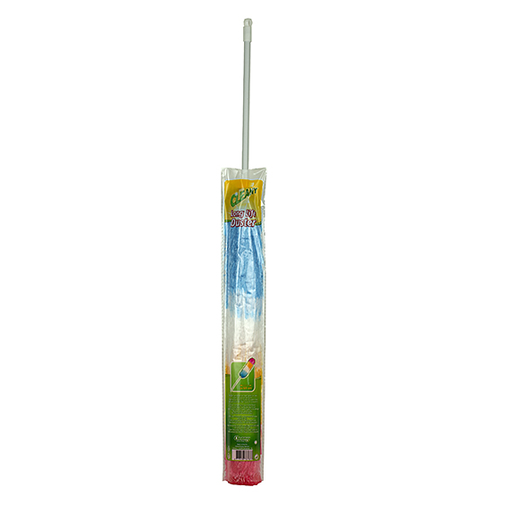
Why it suits this profile: The 70 cm length and 24 cm handle provide extra reach for high shelves, furniture and hard-to-reach areas at home or in the office.
The fixed length clearly defines its intended use. This is a dusting brush for dry dust, not grease or stubborn, baked-on dirt.
70 cm long; synthetic fibres; according to the product information, washable with water and soap, then air-dried.
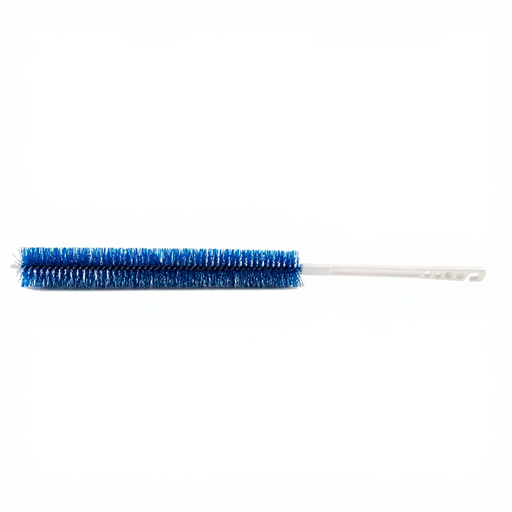
Why it suits this profile: This radiator brush is designed for narrow, deep gaps. At 64 cm long, it is practical for radiators and other confined spaces.
The specialised shape means you do not have to force a wide household brush into a narrow opening. However, use the hard plastic version with appropriate pressure.
64 cm long; product weight 89 grams; designed for radiators and similarly hard-to-reach spaces.
We have put together a complete, up-to-date list of products that fully meet these strict selection criteria and the applicable European safety regulations.
Follow the manufacturer’s instructions. Some plastic and synthetic brushes can be cleaned with lukewarm water and mild soap. Remove visible dirt, rinse the brush and allow it to air-dry completely before putting it away.
This depends on how it is used, the material, cleaning products and the surface. Replace a brush when the bristles become bent, come loose or continue to retain hard particles. With a set featuring replaceable heads, you can use the handle for longer, provided it is still sturdy and undamaged.
For small amounts of everyday dirt, a hand brush is usually simpler and does not use electricity. A vacuum cleaner with different attachments is more practical for larger surfaces, carpets and dirt that you want to remove immediately. The right choice therefore depends on the job, available storage space and how quickly you want to clean.
