
Vandaag of morgen in huis

Kwaliteit gegarandeerd

Welkomstaanbiedingen ontgrendelen: GRATIS bezorging | Tot 80% korting | Gratis 30 dagen JoyPlus-proefperiode
Download de app
A cleaning brush may seem simple, but the wrong model can quickly become frustrating. A brush that is too soft will not remove baked-on dirt properly, while one that is too hard can scratch tiles, wood or plastic. A short handle, loose bristles or an unsuitable combination of materials can also mean that you need a replacement after just a few cleaning sessions.
So be aware of three common pitfalls:
The right choice therefore depends on the surface, the type of dirt and how you want to work.
For a small stain, sink or tiled edge, a hand brush is usually sufficient. If you regularly scrub a bathroom, kitchen, garage floor or patio, you will get more benefit from a scrubbing brush, floor brush or cleaning brush with a long handle.
Use this classification as a starting point:
Nylon or polypropylene bristles are suitable for many household applications and do not absorb moisture like natural fibres. Stiffness determines how much pressure you can apply. A stiff brush works well on rough tiles, grout and concrete, but can damage softer materials.
Brushes with steel or copper-plated wire are available for metal joints or very stubborn dirt. Only use these versions on surfaces that can withstand them. Always test first in an inconspicuous area. For example, a metal wire brush is not automatically suitable for painted surfaces, plastic or polished stone.
A handle of around 30 to 40 centimetres gives you more reach than a small hand brush without making the brush unwieldy. For large patios, a telescopic handle is more comfortable, as you will not need to bend down as often.
Do not just check the total length, but also:
A long handle is no substitute for a suitable brush head. For grout, a narrow head is generally more efficient than a wide patio brush.
Rinse a cleaning brush after use and leave it standing upright or dry it in a well-ventilated place. Check whether cleaning products are permitted according to the product information. Strong chemicals can damage plastic, rubber and adhesive joints.
Additional points are important for powered models. The GARDENA MultiCleaner AquaBrush Patio uses the 18V POWER FOR ALL system. According to the product information, the battery and charger are not included with this version. Before buying, therefore, check whether you already have a compatible battery or still need to purchase one.

Why it suits this profile: This dual plastic brush is designed for everyday use in the kitchen, bathroom and garage, as well as on tiles. Its compact design is practical if you are looking for one simple tool for several small cleaning tasks.
Its intended use and plastic material are clearly specified. This means you are not choosing a metal wire brush for a surface on which it might be too aggressive.
Dual brush; suitable for various household surfaces; plastic construction.
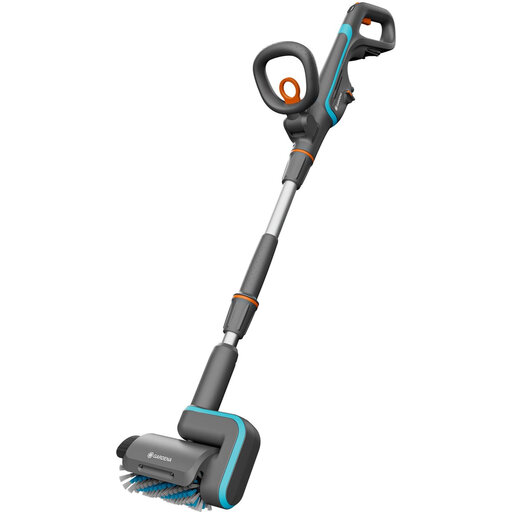
Why it suits this profile: This battery-powered model is designed for wood, WPU, stone, patios and uneven surfaces. The rotating brush and telescopic extension tube are ideal for anyone who regularly maintains larger outdoor areas.
The product information mentions an optimised brush profile for wooden patios and adjustable water flow. However, check the compatibility of the battery and charger in advance.
18V system; rotating brush; telescopic tube; three water-flow settings; battery and charger not included.

Why it suits this profile: The set contains a nylon brush, a stainless-steel brush and a copper-plated steel wire brush. This makes it suitable for DIY enthusiasts tackling different types of stubborn dirt.
You are not limited to one type of brush for every job. Only use the metal versions on suitable, scratch-resistant materials and test a small area first.
Three bristle materials; double brush heads; suitable for a range of intensive cleaning tasks.
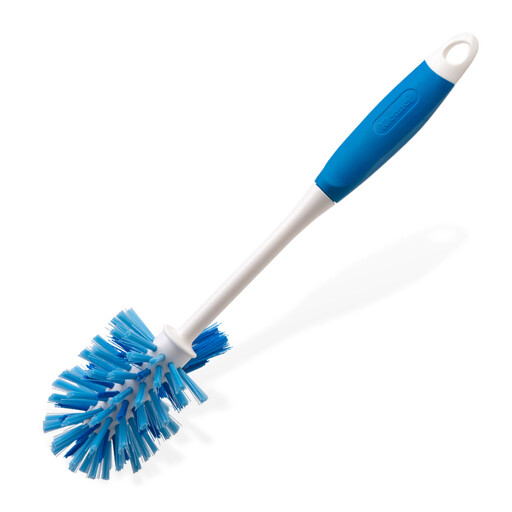
Why it suits this profile: The 36 cm handle and dense 29 mm bristles are designed for floors, patios, grout and outdoor surfaces. The TPR handle provides extra grip when used wet.
The dimensions and intended use are clearly stated. This allows you to assess in advance whether the brush head is large enough for your floor, rather than relying on an unclear “extra powerful” claim.
36 cm handle; 29 mm stiff polypropylene bristles; TPR grip; suitable for damp conditions.
For a large patio, section of façade or heavily soiled paving, a pressure washer can save time. The Cecotec HydroBoost 3200 TotalClean specifies, among other features, 3,200 watts, a stated pressure of 225 bar and a water flow rate of 540 litres per hour. The product information also includes an aluminium pump, wheels, a click connection and an adjustable foam bottle.
A pressure washer does require careful use. Too much pressure can erode grout, damage wood or force water beneath edges. For regular patio maintenance, a dedicated patio cleaner or rotating battery-powered brush may offer more controlled results than a narrow, powerful jet. So consider the surface rather than just the highest pressure figure.
For narrow grout lines, bathroom tiles and small stains, a manual grout brush is generally more practical. The JORDAN&JUDY Long Handle Gap Cleaning Brush with blade handle comes as a set of five and is designed for gaps and narrow joints. Check the maintenance instructions for each model and allow the brush to dry thoroughly after use.
We have compiled a complete, up-to-date list of products that fully meet these strict selection criteria and the applicable European safety regulations.
That depends on how it is used, the surface and how well it is maintained. Rinse away dirt and cleaning product after every use and allow the bristles to dry completely. Replace the brush when the bristles remain permanently bent, start coming loose or no longer pick up enough dirt.
A narrow grout brush with firm nylon bristles generally offers good control. For very stubborn dirt, a metal version can be used on suitable, scratch-resistant surfaces. Always test first in an inconspicuous area and follow the instructions for the surface or cleaning product.
Not always. A brush usually costs less to buy and is suitable for small areas. A pressure washer can work more quickly on large patios or terraces, but it uses water and requires maintenance. Before choosing, compare the surface area, frequency of use, storage space and accessories required.
