
Vandaag of morgen in huis

Kwaliteit gegarandeerd

Welkomstaanbiedingen ontgrendelen: GRATIS bezorging | Tot 80% korting | Gratis 30 dagen JoyPlus-proefperiode
Download de app
A cleaning brush may seem like a simple product, but you quickly notice when you have chosen the wrong one. A brush that is too soft will not remove baked-on dirt, while bristles that are too hard can cause scratches. A handle that is too short or a holder that retains water can also make everyday cleaning unnecessarily difficult.
Whether you are looking for a toilet brush with holder, washing-up brush, grout brush, bottle brush or car-cleaning brush, start by considering the task, the material and how easily you can clean the brush after use.
An attractive brush may fit nicely in your bathroom, but that says little about how well it works. Always check the length, bristle type and the surface the product is designed for. A 64 cm radiator brush, for example, is useful for narrow spaces but less suitable for small, precise cleaning tasks.
A sturdy pot brush may be suitable for pans and stubborn residue, but not automatically for non-stick coatings, painted wood or delicate plastic surfaces. A detail brush with soft bristles is better suited to air vents, keyboards and car interiors.
Use a toilet brush exclusively for the toilet bowl. This prevents dirt and cleaning products from being transferred to other surfaces.
A brush that remains wet and enclosed can start to smell unpleasant and wear out more quickly. With a toilet brush and holder, a holder with drainage or drip space is practical. A washing-up brush and bottle brush should be rinsed thoroughly after use and allowed to dry completely.
The bristle stiffness determines how much pressure you can use:
Pay attention to the product description when a brand makes a particular performance claim. Based on a brand’s own research, a brush may, for example, be described as scratch-free or especially durable; this is not a universal guarantee. Also check the stated material and recommended use.
A long handle keeps your hands further away from water, dirt and cleaning products. This is practical when using a toilet brush, radiator brush or long-handled washing-up brush. A short handle gives you more control around grout, taps and stubborn stains.
Also check the diameter and shape. A narrow grout brush can reach gaps where a wide brush will not fit. A curved or flexible model may fit more closely around taps and hard-to-reach edges.
Many household brushes are made from polypropylene, nylon, PET, silicone or ABS. These materials differ in flexibility, strength and care requirements:
For products designed for baby bottles, it is important to follow the complete instructions for use. The Momcozy set, for example, states that it contains food-grade silicone, BPA-free plastic and silicone parts that can be boiled. Use it strictly in accordance with the product information.
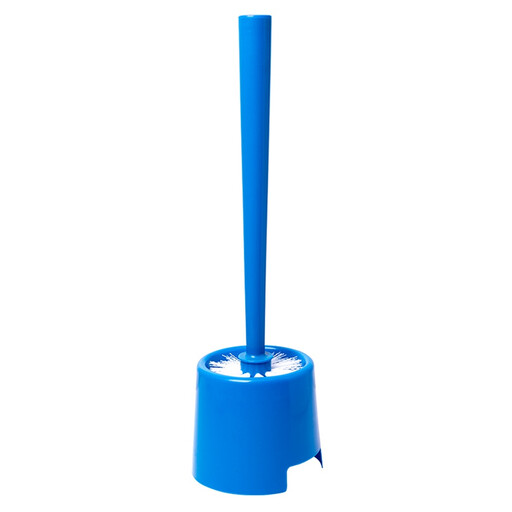
Why it suits this profile: A complete toilet brush set with holder for households, student rooms, offices and guest spaces.
The product details specify firm 25 mm PP bristles, a holder and a compact base measuring 11.5 x 11.5 cm. This means you do not have to look for separate components.
Total height of 37 cm, made entirely from polypropylene and designed for freestanding storage.
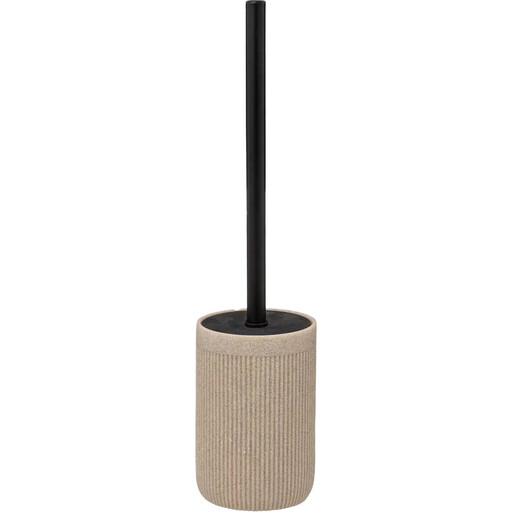
Why it suits this profile: Ideal for bathrooms where design, a dedicated place and a metal handle are important.
The freestanding holder avoids installation hassle. However, check regularly that the holder stays clean and dry.
Dimensions of 9 x 9 x 40 cm, stainless steel handle and polypropylene brush.
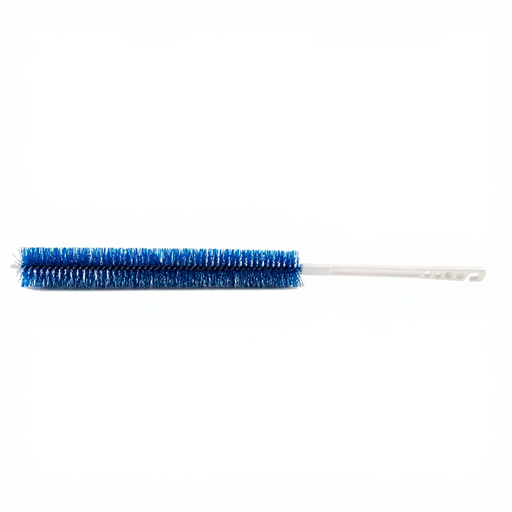
Why it suits this profile: Useful for households, offices and cleaning professionals who want to remove dust from deep or narrow radiator spaces.
The 64 cm length is clearly specified, so you can assess in advance whether the brush will fit your radiator.
Hard plastic, 64 cm long, 5 cm wide and weighing 89 grams.
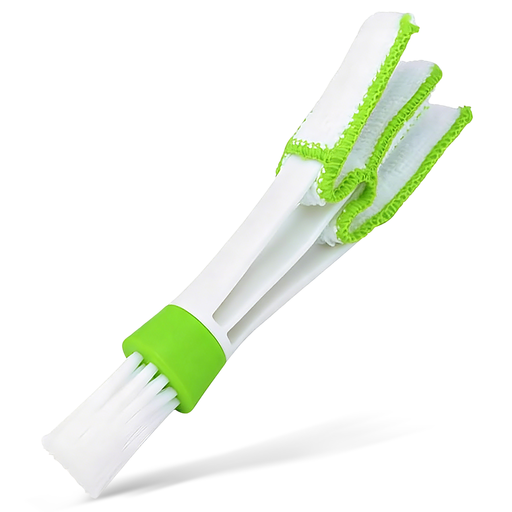
Why it suits this profile: Designed for air vents, dashboards, keyboards, blinds and other narrow spaces in the home or car.
The combination of microfibre and PP bristles is intended for removing dust from gaps. Before use, check that there is no sand or hard debris caught in the bristles.
Removable and washable head, double-sided design and compact dimensions of 16 x 6 x 2.5 cm.
For everyday washing-up, a washing-up brush with a handle of around 20 to 28 cm is practical. A long-handled model keeps your hands further away from dirt and hot water. For pans and baked-on residue, a pot brush with firm bristles may be suitable. When using one, follow the warnings for non-stick coatings and, if in doubt, test it first on an inconspicuous area.
A grout brush or multifunctional cleaning brush with a narrow head is useful for tile grout, taps and the edges around the basin. According to the product information, a curved three-piece JORDAN&JUDY set is designed for hard-to-reach areas in the bathroom and kitchen.
For bottles, flasks and narrow vases, a bottle brush with flexible bristles and a drying stand is more practical than a wide kitchen brush. According to the product details, the Bottle Brush York Hc 01016 weighs 0.04 kg and is supplied with a stand.
A nail brush is also intended for personal care rather than household cleaning. Clean it after use, leave it to dry and do not apply excessive pressure to sensitive skin.
We have compiled a complete, up-to-date list of products that fully meet these strict selection criteria and the applicable European safety regulations.
It depends on how you use it. Replace a brush when the bristles fall out, become flattened, lose their shape or are difficult to rinse clean. A brush used daily in a busy household or professional setting may wear out sooner than a model used occasionally.
Rinse the bristles immediately after use and remove any visible dirt. Leave the brush to dry completely in a well-ventilated place. Clean a toilet brush and holder regularly with a suitable bathroom cleaning product. Never mix different cleaning products and always follow the label instructions.
For dust and narrow gaps, choose a soft detail brush or car-cleaning brush with microfibre or fine fibres. Before use, check that there is no sand trapped between the bristles. Use light pressure on dashboards, glass, painted surfaces and glossy plastic to help prevent damage.
