
Vandaag of morgen in huis

Kwaliteit gegarandeerd

Welkomstaanbiedingen ontgrendelen: GRATIS bezorging | Tot 80% korting | Gratis 30 dagen JoyPlus-proefperiode
Download de app
A cleaning brush may seem like a simple household item, but choosing the wrong model can quickly become frustrating. A brush that is too soft will not tackle baked-on dirt effectively, while stiff bristles can scratch tiles, plastic or car paintwork. Marketing claims such as “multifunctional” also mean little if the brush is not suitable for the area you want to clean.
In this guide, you’ll learn what to look for when choosing a cleaning brush, household brush or brush for hard-to-reach areas. You’ll also find practical recommendations for different uses.
A floor brush for concrete or outdoor tiles often has stiffer bristles than a brush for bathroom fittings or car interiors. If you use a hard brush on a glossy, painted or delicate surface, it may cause scratches. Always check what the brush is intended for according to the product information.
A set containing several brushes may seem like good value, but a larger quantity is not automatically more practical. With a grout brush or crevice brush, the shape and width of the head, along with its flexibility, are more important than the number of pieces. Also check whether the brush can be rinsed thoroughly and left to dry properly.
A long or adjustable handle is useful for floors, ceilings and radiators. However, a loose adjustment mechanism can be irritating while scrubbing. Check whether the length suits your height and whether the handle can be secured firmly. With a radiator brush, the overall length is also more important than having a thick handle.
The right choice depends on the dirt and the surface:
A wider head works more quickly on large surfaces. A narrow grout brush, on the other hand, reaches more effectively into tile joints, around taps and along edges. A radiator brush measuring 64 cm can reach between and behind radiator fins without having to use a short hand brush.
For a brush designed for hard-to-reach areas, these details are particularly important:
Rinse a cleaning brush after use and allow it to dry completely. With a rubber head, check that no dirt remains behind. When using a brush in the car, it is wise to remove sand or hard grit from the bristles first. This helps reduce the risk of scratches.
Do not use strong acids, bleach or solvents unless the manufacturer explicitly permits it. Test a new brush on an inconspicuous area first. For example, a floor brush with stiff bristles is not suitable for polished wood or glass.
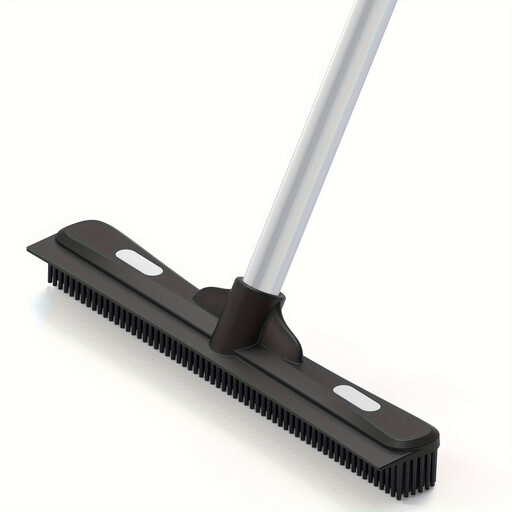
Why it suits this profile: A practical choice for households that want to tackle carpets, hard floors and spills with one tool.
The product description mentions a rubber head, an adjustable handle and an integrated squeegee edge. This makes its intended use clearer than a brush described simply as ‘multifunctional’.
Rubber brush head for hair, fluff and dust; 61-inch adjustable handle; squeegee edge for smooth floors.
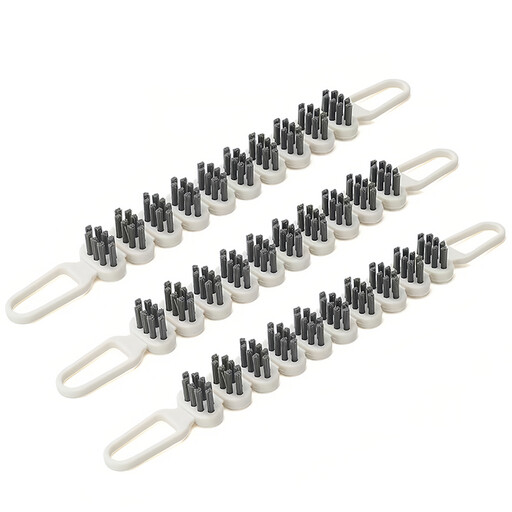
Why it suits this profile: Ideal for anyone who pays attention to grout, taps, kitchen edges and other narrow areas in the bathroom.
The set is specifically described for bathrooms, taps and kitchens, and features soft bristles for hard-to-reach areas. Use light pressure and test the brush on a delicate finish first.
Three brushes; bendable design; designed for grout, taps and gaps.
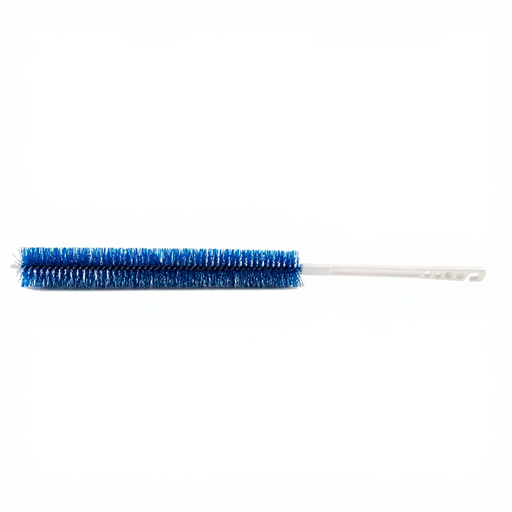
Why it suits this profile: A specialist radiator brush for anyone who wants to remove dust from between narrow fins and behind radiators.
The 64 cm length is clearly stated. This allows you to assess in advance whether the reach suits your radiator, rather than relying on a vague claim about reach.
64 cm long; hard plastic; lightweight at 89 grams.
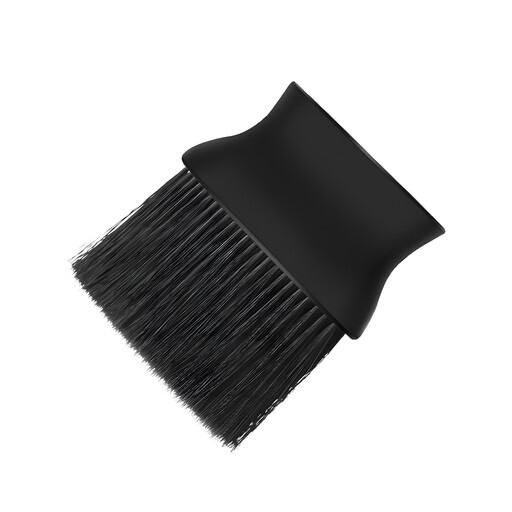
Why it suits this profile: This compact car interior brush is designed for air vents, dashboards, consoles and other gaps in the car.
According to the product description, the bristles are soft and contain no metal. Still, remove sand and dirt first and use light pressure on paintwork, glass and glossy surfaces.
Compact size of 12.3 × 11 × 10 cm; PP handle; soft, flexible bristles for narrow openings.
We’ve put together a complete, up-to-date list of products that fully meet these strict selection criteria and the applicable European safety regulations.
A rubber brush or rubber broom can be suitable for collecting hair from carpets and hard floors. The result depends on the type of carpet, the amount of hair and how you use the brush. Clean the head after every use.
Rinse the bristles with lukewarm water after use and remove any remaining dirt by hand. Allow the brush to dry completely before storing it. Do not use an aggressive cleaner unless this is stated in the product information.
Its lifespan depends on how demanding the task is, the surface, the products used and how well it is maintained. Replace a brush when the bristles bend, come loose or no longer pick up dirt effectively. With adjustable models, also check regularly that the connection is still secure.
