
Vandaag of morgen in huis

Kwaliteit gegarandeerd

Welkomstaanbiedingen ontgrendelen: GRATIS bezorging | Tot 80% korting | Gratis 30 dagen JoyPlus-proefperiode
Download de app
A cleaning brush may seem like a simple household essential, but you’ll soon notice if you’ve chosen the wrong one. A handle that’s too short makes it difficult to reach behind a radiator. Bristles that are too stiff can damage surfaces, while soft bristles may not loosen baked-on dirt effectively. A brush that stays wet after use can also start to smell unpleasant more quickly.
If you focus only on colour, price or a striking product claim, you could miss some common pitfalls.
Washing-up brushes, toilet brushes and radiator brushes are all designed differently. A toilet brush, for example, needs a suitably shaped head to reach under the rim. For a bottle or flask, a narrow, flexible bottle brush is more practical.
A general-purpose household brush can be useful for different surfaces, but it won’t always replace a brush designed for a specific task.
A plastic brush is lightweight and usually easy to rinse clean. But that doesn’t tell you everything about the product’s quality. Check the material, stiffness and how securely the bristles are attached, too. With daily use, a loose brush head or a slippery, poorly shaped handle can quickly become a nuisance.
With a long cleaning brush, it’s not just about reach. A 64 cm handle is useful for radiators, but may be less practical in a small sink. Check whether the brush can drain and dry properly after use, too. This is important for maintaining brushes that are often wet, such as bathroom or washing-up brushes.
Match the bristles to the task:
According to the product description, the nylon bristles on the YORK washing-up brush are designed to adapt to the surface. This is a product specification, not a guarantee that every type of dirt will come away effortlessly.
Measure the area where you plan to use the brush. A 64 cm radiator brush is suitable for hard-to-reach spaces between or behind radiators. A washing-up brush measuring around 26 to 28 cm is generally easier to handle when cleaning pans and plates. For a toilet brush, the diameter and shape of the head matter as much as the handle.
With a long brush, also consider where you’ll store it. A model that doesn’t fit in a drawer or cupboard is more likely to end up loose in the kitchen or bathroom.
A plastic brush is lightweight, moisture-resistant and easy to clean. Check whether the product is made entirely of plastic or also has parts made from metal, wood, ceramic or other materials. This affects how you care for it and how you should let it dry.
Rinse your cleaning brush after use, remove any trapped dirt and leave it somewhere well ventilated to dry as much as possible. Replace it when the bristles become misshapen, come loose or no longer clean effectively. Don’t use harsh products unless the product description recommends them.
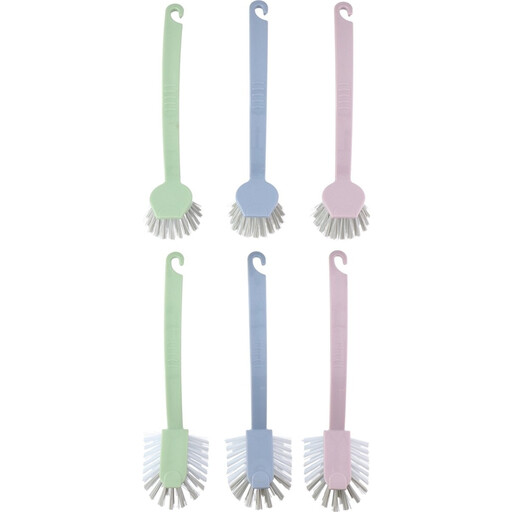
Why it suits this profile: A simple plastic washing-up brush for everyday use on plates, pans and kitchen utensils.
The product information lists plastic as the material and describes it as a handy size. Before buying, check the current measurements in the product listing.
Plastic construction, a length of 26 cm stated in the product name and one brush per pack.
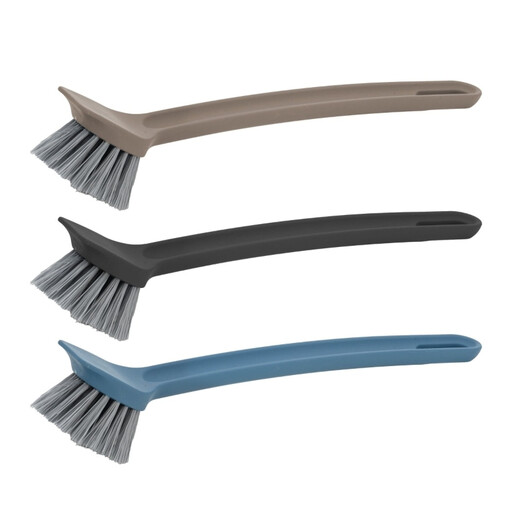
Why it suits this profile: A good choice if material, handle design and care are important to you when washing up regularly.
The listed materials are 100% recycled PP granulate for the handle and 100% nylon for the bristles. The brush is not specified as a universal option for every surface.
An ergonomic handle, nylon bristles and a design that, according to the product description, is intended to absorb less water.
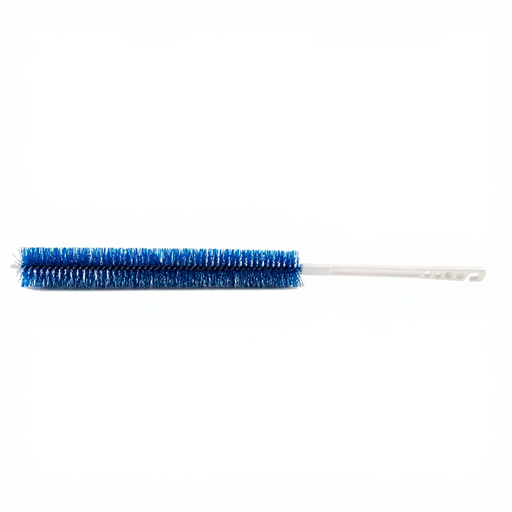
Why it suits this profile: For households looking to remove dust and dirt from between or behind radiators.
The length is clearly stated, so you can check in advance whether it will reach the areas around your radiator. This hard plastic brush is not designed to be a soft washing-up brush.
64 cm long, made from hard plastic and listed as weighing just 89 grams.
We’ve put together a complete, up-to-date list of products that meet these strict selection criteria and comply with the applicable European safety regulations.
It depends on how often you use it, its material and how well you care for it. A brush used every day will wear out faster than one used for occasional cleaning. Replace it as soon as the bristles start falling out, become bent or no longer loosen dirt effectively. Rinsing it and letting it dry completely can help extend its useful life.
A radiator brush with enough reach and firm bristles that aren’t unnecessarily harsh is a practical choice. According to the product information, the Dumortier model is 64 cm long. Measure the space behind or between your radiators before ordering.
A manual cleaning brush doesn’t use electricity. Your main ongoing costs are therefore replacement brushes and, if needed, cleaning products. Choosing a brush with a shape and material suited to the task can help you avoid replacing it unnecessarily.
