
Vandaag of morgen in huis

Kwaliteit gegarandeerd

Welkomstaanbiedingen ontgrendelen: GRATIS bezorging | Tot 80% korting | Gratis 30 dagen JoyPlus-proefperiode
Download de app
A standalone cleaning brush may seem like a simple purchase, but the wrong model can quickly prove impractical. A brush that is too soft will not remove baked-on dirt effectively, while stiff bristles can scratch tiles, plastic or car paintwork. Length, shape and compatibility are also often underestimated.
Pay particular attention to these common pitfalls:
First consider the location and type of dirt. For dust on high shelves, you need a flexible dusting brush. Stiffer bristles are more practical for tile grout or patios. If your main aim is to remove pet hair, a rubber floor brush is usually a better choice than a traditional broom.
The bristles determine how much pressure you can apply and which surfaces the brush is suitable for.
With a household cleaning brush, clear information about the material and recommended use is more important than a vague marketing term.
A radiator brush must be able to reach between and behind the fins. For example, the Dumortier radiator brush is 64 cm long, 5 cm wide and 5 cm high. This means you can clearly check its reach before ordering.
For high cupboards, ceiling fans or hard-to-reach corners, a flexible dusting brush with a long handle is more convenient. Some models are approximately 70 cm long, such as the synthetic Feather Duster, while others have an extendable handle reaching up to 105 cm. With a telescopic model, check that the handle locks securely and that the head does not rotate unintentionally.
A floor brush with a longer handle may be suitable for large surfaces. According to the product information, the 36 cm blue hand brush has stiff 29 mm plastic bristles and a TPR rubber handle. This makes the specification relevant for floors, grout and outdoor surfaces, but not for glass or polished wood.
A brush that can be rinsed and dried thoroughly remains more practical in a damp bathroom or kitchen. Also check whether replacement heads or refills are available. With a dusting brush featuring three replaceable heads, maintenance may involve shaking them out or washing them by hand, followed by thorough drying.
For robot vacuum cleaner accessories, always check:
The MOVA E30 Ultra accessory set includes one main brush, two side brushes, three mop cloths, two filters and two dust bags. According to the product information, the set is intended for the MOVA E30 Ultra and is not for universal use.
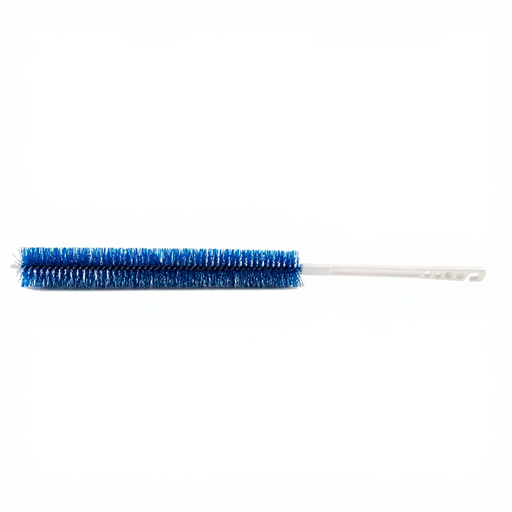
Why it suits this profile: A straightforward radiator brush for anyone who wants to remove dust and dirt from between radiators without buying an extensive set.
The length and dimensions are clearly stated, allowing you to assess in advance whether the brush will fit your radiator.
64 cm long, hard plastic and a product weight of 89 grams.
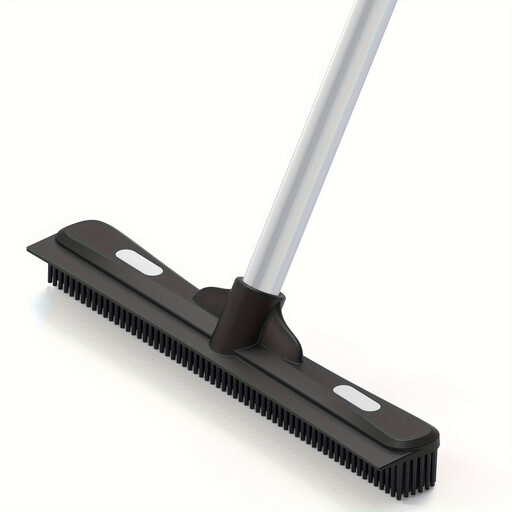
Why it suits this profile: A practical choice for households with carpets, hard floors and pets, where removing pet hair is a regular necessity.
The product description explicitly mentions rubber, carpets, hard floors and an integrated squeegee. This makes its intended use clearer than that of a vague universal broom.
Rubber brush head, adjustable handle and 2-in-1 design with squeegee edge.
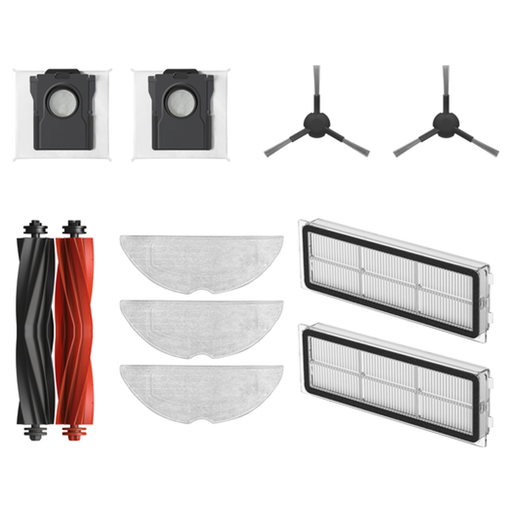
Why it suits this profile: Designed for owners of a MOVA E30 Ultra who want to replace several wear parts at once and plan their maintenance.
The set specifies the exact model and number of parts. Check this before buying, as the product information does not indicate a universal fit.
10 parts: one main brush, two side brushes, three mop cloths, two filters and two dust bags.
A car-washing brush for exterior use must be soft enough for the paintwork and free from sand or hard particles. Compact brushes are more practical for the interior. According to the product information, the Car Detailing Brush has flexible fibre bristles, a plastic handle and measures 12.3 × 11 × 10 cm. This makes it suitable for air vents, dashboards and gaps.
Use light pressure on delicate surfaces. First check that the brush is clean and free from trapped sand. A separate brush for hard-to-reach places with microfibre, such as the green air-vent brush, can be washed and reused. Allow the head to dry completely before storing it.
Stiff bristles are more useful for grout, patios and garage floors. Do not use this type of floor brush on glass, painted wood or polished surfaces. If in doubt, test it on an inconspicuous area first.
We have put together a complete, up-to-date list of products that fully meet these strict selection criteria and the applicable European safety regulations.
Choose a grout brush with narrow, sturdy plastic or nylon bristles. Make sure the head fits precisely into the grout line. Metal bristles can tackle stubborn dirt, but may damage tiles, sealant lines or glazed surfaces.
Rinse plastic and rubber brushes with water after use and, if necessary, mild soap. Remove dirt from the bristles and allow the brush to air-dry completely. Do not use aggressive cleaning products unless the product information explicitly permits this. Dusting brushes and robot vacuum cleaner components may have different care instructions.
Its service life depends on how frequently it is used, the cleaning product, the surface and how it is stored. Replace a brush when the bristles become bent, the head comes loose or cleaning performance visibly declines. For robot vacuum cleaner components, follow the maintenance and replacement instructions for the specific model. According to the supplied product information, the products listed come with a minimum of two years’ statutory guarantee; this is separate from normal wear and tear.
