
Vandaag of morgen in huis

Kwaliteit gegarandeerd

Welkomstaanbiedingen ontgrendelen: GRATIS bezorging | Tot 80% korting | Gratis 30 dagen JoyPlus-proefperiode
Download de app
A cleaning brush might seem like a simple household item, but picking the wrong one can quickly become frustrating. A brush with bristles that are too soft won't shift caked-on dirt. One that's too hard can damage tiles, grout or cookware. And a long handle isn't automatically helpful if the brush head doesn't offer enough control.
So don't just focus on colour, price or claims like "extra powerful". Instead, pay attention to bristle material, dimensions, handle design and the surface the brush is intended for. That way, you'll avoid buying several loose brushes that end up barely being used.
Stiff plastic or steel wires can be useful for grout, garage floors and caked-on dirt. However, on glass, polished wood, lacquered surfaces and some pans, they can cause scratches. Always check the safety information. A product that works as a brush for stubborn dirt isn't automatically suitable for every material.
A cleaning brush with a long handle can be comfortable for floors and shower walls. Yet a long handle is less suitable for small areas where you need to work precisely. For pans, sinks and taps, a short handle often gives you more pressure and control.
An electric cleaning brush may come with multiple speeds and attachments, but check the practical details. Think about charging time, battery life, water resistance, replaceable heads and storage. Claims about motor power or longer battery life are product claims from the brand or seller. Treat them as specifications, not as a guarantee of a particular cleaning result.
For everyday washing up, nylon, PET or other plastic fibres are common. A washing-up brush usually has bristles that are firm enough for grease and food residue, but aren't intended for delicate coatings. For bottles and narrow openings, flexible bristles and a slim head are more important than maximum hardness.
A scrubbing brush for floors, patios or grout can be stiffer. Steel wires are mainly intended for heavy-duty cleaning and removing stuck-on dirt. Don't use a wire brush on surfaces that scratch easily.
A brush head of around 20 to 30 cm is practical for pots, basins and smaller surfaces. For floors, a longer handle can help you avoid bending down. Also check the width of the head: a wide head works efficiently on large areas, while a narrow grout brush gets into gaps better.
For hard-to-reach places, such as behind taps or between tiles, a curved or flexible head and several small brushes are handy. A cleaning brush set can be good value when you're combining different tasks in the kitchen and bathroom.
A non-slip coating made from TPR or similar material can give you more grip when the brush is wet. Also consider how you can let the brush dry. Rinse off soap, grease and dirt after use and stand the brush upright or on a holder. Moisture that stays trapped between the bristles will shorten its lifespan.
For an electric brush, the instructions are especially important. The casing may be splash-proof without the whole device being submersible. Unplug the charger before cleaning any parts and switch the device off before changing a brush head.
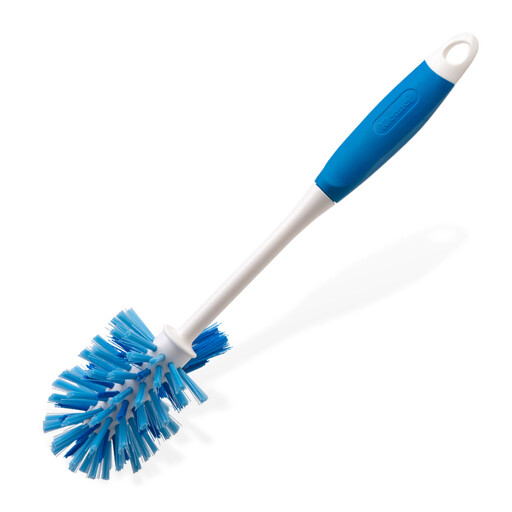
Why this fits the profile: This manual brush is suitable for anyone looking for one versatile tool for floors, tiles, grout and outdoor surfaces.
The product description states a 36 cm handle and 29 mm bristles. This makes it clear what the brush is intended for; don't use it on delicate surfaces.
36 cm length, dense plastic bristles and a TPR non-slip grip according to the product information.
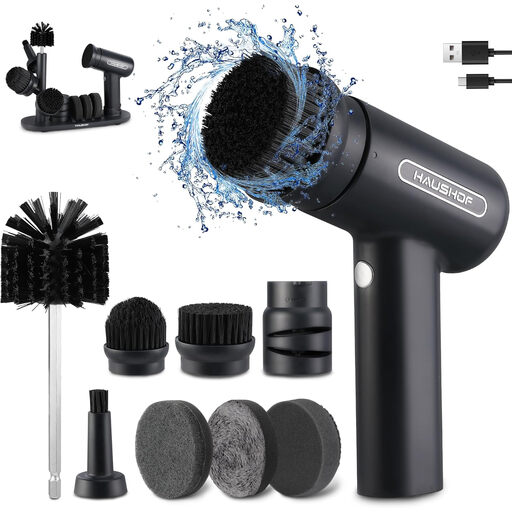
Why this fits the profile: Handy for households that want one device with multiple heads to use in the bathroom, kitchen, on tiles and around the toilet.
The set states three speeds, seven brush heads and a stand. Do check the correct head for each surface and don't submerge the main unit.
LCD display, three speed settings, seven attachments and a storage stand according to the product description.
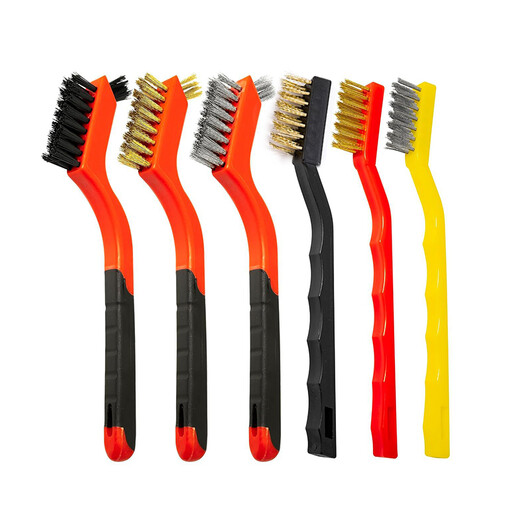
Why this fits the profile: This set is designed for targeted cleaning of stubborn dirt on suitable, sturdy materials in the kitchen, workshop or garage.
The different wire brushes allow you to choose the right one for each task. Steel wires can cause scratches; test on an inconspicuous area first.
Six pieces and wire brush construction for specific heavy-duty cleaning tasks according to the product listing.

Why this fits the profile: A bottle brush is practical for water bottles, flasks, vases and other narrow containers where a standard kitchen brush can't reach properly.
The slim shape and flexible bristles are designed for narrow openings. Let the brush dry on the included stand after use.
Lightweight design at 0.04 kg, flexible bristles and a flat stand according to the product information.
We've put together a full, up-to-date list of products that fully meet these strict selection criteria and comply with current European safety regulations.
Choose a narrow grout brush with firm plastic bristles. For very stubborn dirt, a wire brush can be used on suitable hard surfaces. Always test a small area first and avoid lacquered, polished or delicate materials.
Rinse the brush thoroughly with warm water after each use to remove soap, grease and dirt. Shake off excess water and let the brush dry upright or on a holder. Don't use harsh chemicals unless the product instructions allow it.
That depends on the model and how often you use it. Factor in charging, any replacement brush heads and the battery's lifespan. A manual kitchen brush doesn't need power and is often simpler for small daily tasks. An electric version can be particularly interesting when you want to clean multiple surfaces with different attachments.
