
Vandaag of morgen in huis

Kwaliteit gegarandeerd

Welkomstaanbiedingen ontgrendelen: GRATIS bezorging | Tot 80% korting | Gratis 30 dagen JoyPlus-proefperiode
Download de app
A cleaning brush may seem like a simple household item, but you’ll soon notice if you’ve chosen the wrong one. The handle may feel uncomfortable, the bristles may become misshapen, or the brush may not fit into the opening you bought it for. Marketing claims such as “for all surfaces” don’t tell you much if the bristle stiffness isn’t specified.
Use these practical checks to choose the right cleaning brush for your kitchen, bathroom, toilet, textiles, car or robot vacuum cleaner.
A soft clothes brush is designed for dust, fluff and hair. The same brush won’t tackle caked-on dirt on tiles. On the other hand, a stiff scrubbing brush can damage delicate materials. So, first consider the surface and the type of dirt you need to remove.
A cheap washing-up brush may be perfectly suitable for everyday use, but check the material, dimensions and handle shape. With a toilet brush, the holder matters too. A design that doesn’t allow the brush to dry properly may retain water and residue.
A replacement robot vacuum cleaner brush needs to fit the exact model. According to the product information, for example, the MOVA ACC-BRUSH-MA-1 is designed for the MOVA E30 and P50 Ultra. A universal brush won’t necessarily fit every appliance.
A grout brush or scrubbing brush generally needs more pressure than a bathroom brush designed for light cleaning. Don’t use a stiff brush on varnished wood, glass or polished surfaces if the product information advises against it.
A longer handle makes it easier to reach awkward spots. A 64 cm radiator brush, for example, is designed for the narrow spaces between and behind radiators. For floors, a 36 cm hand brush may be more comfortable than a short one, as you won’t have to bend down as much.
Also look for:
Plastic, polypropylene, nylon, rubber and TPR are commonly used in cleaning brushes. Check whether the product description says the brush is dishwasher-safe. Rinse a washing-up brush, bottle brush or toilet brush after use and leave it to dry thoroughly. Replace the brush when the bristles come loose, bend out of shape or no longer clean effectively.
If you want to use fewer disposable materials, look for a durable cleaning brush with a sturdy handle, replaceable parts or recycled materials. For example, the YORK Dish Brush Plastic Round Natural is listed as having a handle made from 100% recycled PP granules and nylon bristles. Always check that this information matches the current product page for the item you’re buying.
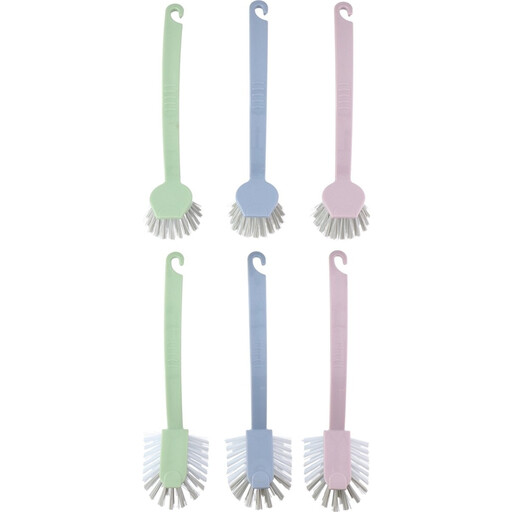
Why it suits this shopper: A simple kitchen brush for everyday washing-up and pre-cleaning tableware. According to the product information, it is 28 cm long.
It has a clear purpose: washing up with a plastic brush. So you don’t pay for features you don’t need.
Plastic design, one brush per pack and a handle made for everyday use.
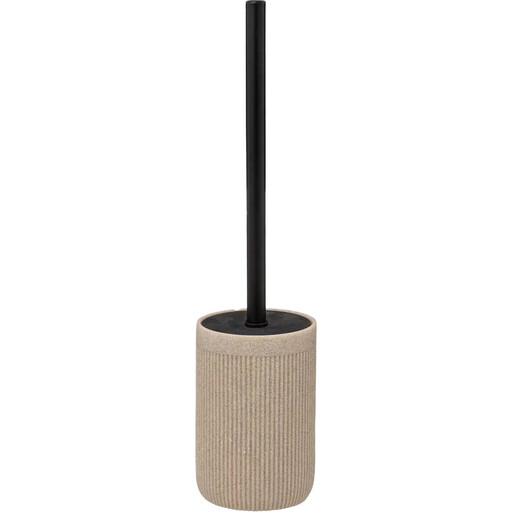
Why it suits this shopper: A good choice for households looking for a freestanding toilet brush and holder.
The holder is included, so there’s no need to find a suitable stand separately.
Freestanding design, stainless steel handle and dimensions of 9 × 9 × 40 cm.
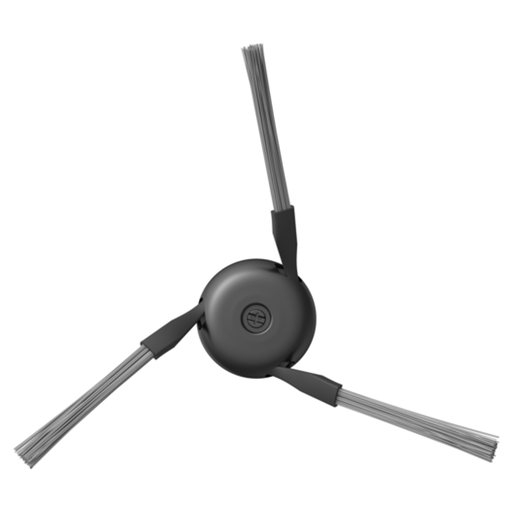
Why it suits this shopper: For owners of a MOVA E30 or P50 Ultra looking for a compatible part for their robot vacuum cleaner.
The compatible models are listed explicitly. Check yours before buying, and switch off the robot before replacing the brush.
Rubber main brush for the MOVA E30 and P50 Ultra; according to the product information, it comes with a minimum two-year statutory guarantee.

Why it suits this shopper: A handy bottle brush for baby bottles, water bottles, vacuum flasks and vases with narrow openings.
The product information specifically mentions narrow containers and flexible bristles, making its intended use clearer than that of a general-purpose kitchen brush.
Flexible bristles, a weight of approximately 0.04 kg and an included stand for drying.
We’ve put together a complete, up-to-date list of products that meet these strict selection criteria and the applicable European safety regulations.
Use a grout brush with relatively stiff, narrow bristles. The brush head should fit into the grout line without you having to scrub hard across the tile itself. If you have delicate tiles, test the brush on an inconspicuous area first.
Its lifespan depends on how often you use it, how much pressure you apply, the cleaning product and how long it takes to dry. A brush used for washing up every day may wear out faster than a radiator brush that’s only used occasionally. Replace it when the bristles become misshapen, come loose or continue to hold visible dirt.
Usually, that isn’t practical. It’s best to use separate brushes for the kitchen, toilet and bathroom. This prevents the same kitchen brush from being used for cleaning sanitary areas too. Label your brushes or choose different colours to avoid mixing them up in a busy household.
