
Vandaag of morgen in huis

Kwaliteit gegarandeerd

Welkomstaanbiedingen ontgrendelen: GRATIS bezorging | Tot 80% korting | Gratis 30 dagen JoyPlus-proefperiode
Download de app
A cleaning brush may seem like a simple product, but you will quickly notice if you choose the wrong one. A brush that is too soft will not remove baked-on grease, while one that is too hard can scratch delicate surfaces. A short handle, bristles that come loose or a brush head that is difficult to dry can also make everyday cleaning unnecessarily difficult.
So do not just look at an attractive colour or terms such as “heavy-duty”. Pay particular attention to the material, dimensions and intended use. This will help you avoid buying a washing-up brush that is unsuitable for pans, or a grout brush that does not fit into narrow gaps.
A hard cleaning brush can be useful for tile grout, floors and outdoor surfaces. However, the same type of brush may be too aggressive for non-stick coatings, glass or polished wood. Always check the manufacturer’s warnings and, if in doubt, test it on a discreet area first.
Words such as “extra strong” mean little without information about the bristles, handle and dimensions. A product with nylon bristles is different to use from a pan and dish brush with metal wire. Therefore, look for verifiable details such as material, length, brush hardness and number of pieces.
A brush that remains wet in a closed container after use can retain dirt and moisture. Rinse the brush thoroughly, shake off excess water and store it upright or in a dry, well-ventilated place. Replace a brush when the bristles have become misshapen, start coming loose or no longer clean effectively.
For crockery and everyday washing-up, nylon or plastic bristles are usually practical. Depending on the stated application, they are suitable for food residue, grease and light build-up. A washing-up brush with soft or medium-hard bristles generally gives you greater control on crockery and kitchen surfaces.
For grout, garage floors and stubborn stains, a hard cleaning brush can provide more scrubbing power. However, check that the surface can withstand it. Copper or steel wire brushes are intended for specific heavy-duty cleaning tasks and are not suitable for every kitchen material.
A short handle gives you direct control when cleaning pans and crockery. A long-handled cleaning brush keeps your hands further away from water, dirt and hot, soapy water. A long handle is also useful for floors, shower walls and larger surfaces.
Pay attention to the overall length, the shape of the handle and any non-slip coating. A rubber or TPR grip can provide extra hold when working with wet hands. A longer handle is not automatically more convenient: in a small sink, a compact brush may be easier to manoeuvre.
A wide brush head works efficiently on large surfaces, while a narrow grout brush is better for reaching gaps, edges and crevices. For taps, shower profiles and hard-to-reach areas, a curved or flexible brush may be more practical.
A cleaning brush set is useful if you have various tasks around the home. However, check that each component has a clear purpose. A set containing several similar brushes offers less value if you are actually looking for one specific brush for grout or bottles.
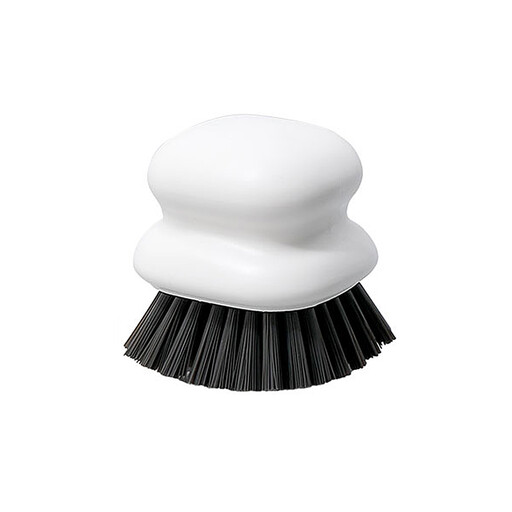
Why it suits this profile: The short handle offers excellent control and is suitable for everyday washing-up, pans and the sink in a compact kitchen.
The product information specifies the material, short handle and intended uses. Do not use this brush on non-stick surfaces where scratching is possible.
Plastic construction, ready to use straight away and suitable for the kitchen and bathroom. Rinse after use and leave to dry.

Why it suits this profile: This set offers three types of brush for anyone looking for one solution for a range of cleaning tasks.
The set specifies nylon bristles, stainless steel and copper-plated steel wire. Choose the right component for each surface and avoid using wire on delicate materials.
Three different brush designs and a double-sided construction for versatile use.
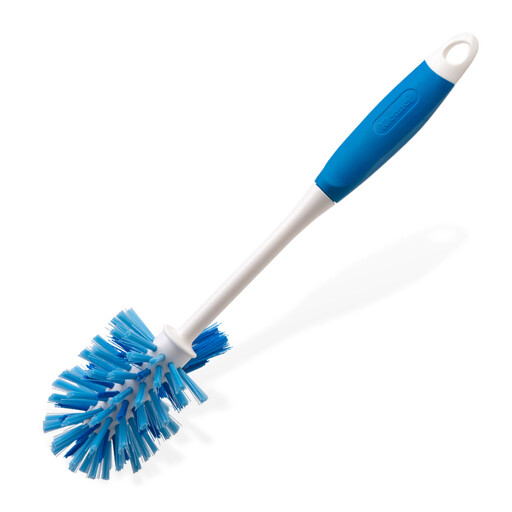
Why it suits this profile: The 36 cm handle and 29 mm bristles are designed for floors, grout, patios and other hard surfaces.
The product description gives specific measurements and warns against use on glass, polished wood and other scratch-sensitive surfaces.
Long handle, firm plastic bristles and a TPR grip handle for wet conditions.
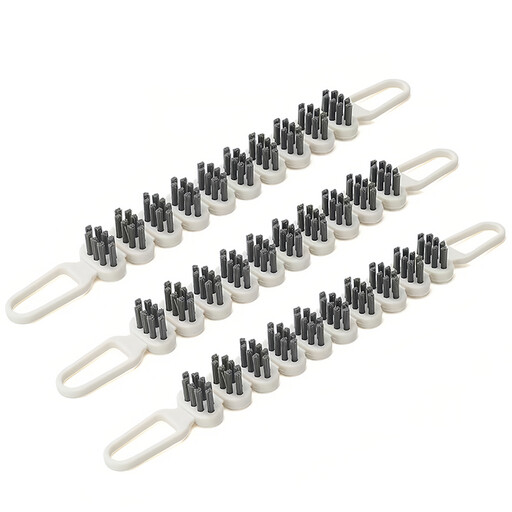
Why it suits this profile: The narrow, flexible brushes are designed for taps, bathroom gaps, kitchen edges and other hard-to-reach areas.
The dimensions of 23 × 3 × 2 cm and the flexible design make its reach clearer than that of a wide brush head.
Three-piece set, soft bristles according to the product information, and suitable for narrow spaces around bathroom fittings and kitchen components.
We have compiled a complete, up-to-date list of products that fully meet these strict selection criteria and the applicable European safety regulations.
Also check the product packaging for additional instructions. Do not automatically take an environmental certificate or claim about a long service life at face value; check whether the manufacturer provides specific supporting evidence. The available product information for the JORDAN&JUDY products mentioned does not list any specific environmental certifications.
A narrow grout brush with firm bristles is usually practical for tile joints. For larger floor areas, a brush with a long handle may be more convenient. Always test it on a small area first, especially on coloured grout or delicate tiles.
This depends on how much it is used and the condition of the bristles. Replace the washing-up brush when the bristles are flat, loose or discoloured, or when food residue is no longer being removed properly. Thorough rinsing and allowing it to dry completely can help extend its useful life.
You can with some multifunctional models, but for better hygiene it is preferable to keep kitchen and bathroom brushes separate. Use a washing-up brush for crockery and pans, and a separate brush for soap residue, grout and bathroom fittings. This helps prevent dirt from being spread between different areas.
