
Vandaag of morgen in huis

Kwaliteit gegarandeerd

Welkomstaanbiedingen ontgrendelen: GRATIS bezorging | Tot 80% korting | Gratis 30 dagen JoyPlus-proefperiode
Download de app
A cleaning brush may seem like a simple household item, but choosing the wrong one can quickly become frustrating. A brush may be too soft for baked-on dirt, too large for a narrow grout line or even damage a surface. Marketing terms such as “extra powerful” or “multi-purpose” also mean little if the material, dimensions and usage restrictions are not clearly stated.
Use these checks to choose more confidently between a grout brush, scrubbing brush, washing-up brush, floor brush or electric cleaning brush.
A sturdy brush is useful for tiles, patios and grout, but that does not automatically make it suitable for glass, polished wood or delicate coatings. Hard plastic, steel or copper bristles can cause scratches. Always check which surfaces the brush is designed for.
Extra care is needed with a non-stick pan. Do not use a hard scrubbing brush unless its suitability is clearly stated. If in doubt, test it on an inconspicuous area first.
A cleaning brush with a long handle reduces bending when cleaning floors and shower walls, but a long handle is not always practical in a small sink. Also consider the angle of the brush head, how easy it is to grip when the handle is wet and how the handle can be stored.
With a floor brush, the length is important for maintaining good posture. For grout, taps and edges, the key factor is a narrow head that fits precisely into the gap.
A cleaning brush set may appear to offer good value, but check exactly what is included. A set with several identical brushes is useful for different rooms, while a set with a variety of heads is better suited to households with lots of different cleaning tasks.
With an electric cleaning brush, you should also check the charging time, replaceable attachments and storage options. A large number of accessories is only worthwhile if you will actually use them.
The right level of stiffness depends on the task:
A grout brush usually needs a narrow shape. A wide floor brush works faster on large surfaces but is less effective in corners. For a bottle brush, flexible bristles and a narrow handle are more important than aggressive scrubbing power.
Measure the area where you want to use the brush. A brush for hard-to-reach places must not only be long enough, but also narrow enough to reach behind a tap, radiator or furniture edge.
For floors and patios, a long handle, wide head and sturdy connection are practical. A model such as the 36 cm hand brush has, according to the product information, a 36 cm handle and 29 mm bristles. This makes it suitable for floors, tiles and outdoor use, but not for delicate surfaces.
Rinse a brush after use and allow it to dry completely. Trapped moisture can cause unpleasant smells and wear. Regularly check for loose bristles, cracks and a loose handle.
Extra care is required with electric models. An IPX6 rating indicates protection against powerful water jets under certain conditions, but it does not mean that the main unit can be fully submerged. Switch off the device before changing attachments and follow the instructions.
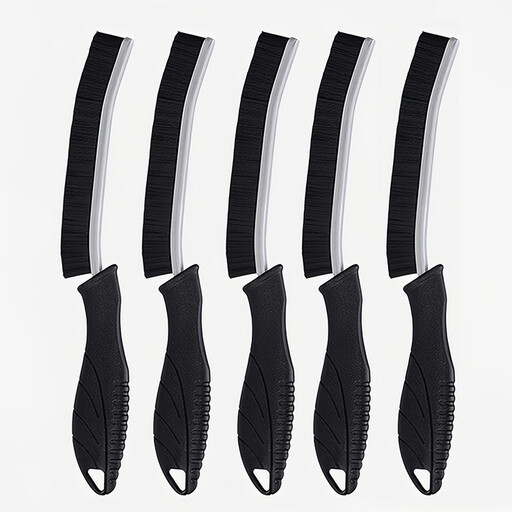
Why it suits this profile: A pack of five is practical for households that want to use several brushes in the kitchen, bathroom or other tight spaces.
The long design is intended for seams and gaps, so you do not have to use one wide brush for every surface. Check the exact brush dimensions on the product page before buying.
Five brushes per pack and a long handle according to the product name; suitable for targeted cleaning in narrow spaces.
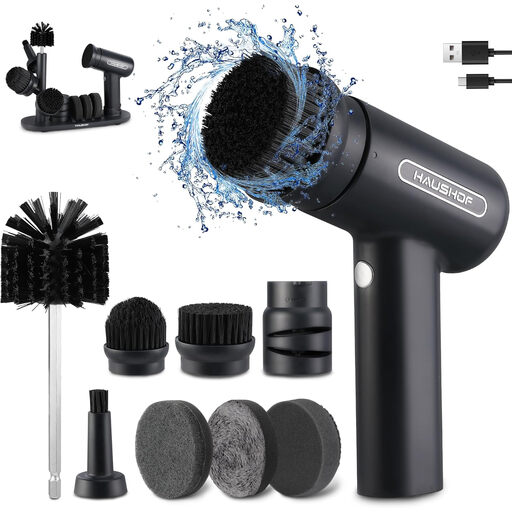
Why it suits this profile: Anyone who regularly cleans bathroom tiles, sanitaryware and kitchen surfaces gets adjustable rotation speeds and several brush attachments.
According to the product information, the speed can be adjusted to 350 and 400 rpm; the knife-sharpener attachment operates at up to 1000 rpm. This lets you match the setting to the task, but only use the appropriate head.
Three speeds, an LCD screen, seven brush heads and a stand. According to the product information, the operating time is up to 320 minutes.
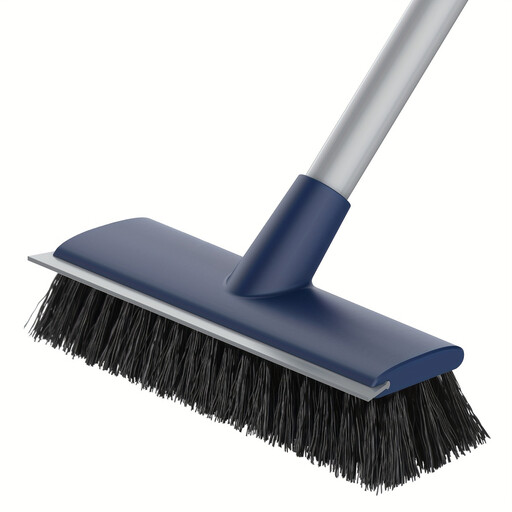
Why it suits this profile: This floor brush is designed for larger surfaces such as bathrooms, garages, patios and tiled floors, where reach and water drainage are important.
According to the specifications, the adjustable handle extends from 49.2 to 124 cm. Combining a brush and squeegee means you do not immediately need two tools for wet floors.
Adjustable long handle, brush head set at a 45-degree angle and built-in squeegee. Check that the bristles are suitable for your floor finish.
A manual scrubbing brush does not need charging and is ready to use for a small stain, pan or grout line. A washing-up brush with a short handle gives you more control around crockery and the sink. A pot brush with a long handle keeps your hands further away from water and cleaning products, but always check the warning regarding non-stick surfaces.
An electric cleaning brush can be useful for repeated scrubbing of tiles, shower walls and sanitaryware. Bear charging, noise, storage and cleaning the attachments in mind. The extra technology is not necessary for every daily washing-up task.
Bottles and baby items have different requirements. Choose a narrow bottle brush with flexible bristles or silicone components. According to the product information, the Momcozy 7-in-1 Portable Bottle Cleaning Brush Set includes a bottle brush, teat brush, straw brush, drying rack and storage case, among other items. When using it with food-contact items, check the care instructions and allow all components to dry thoroughly.
We have put together a complete, up-to-date list of products that fully meet these strict selection criteria and the applicable European safety regulations.
Choose a narrow grout brush with firm plastic bristles. The head should fit into the grout line without scraping hard against the tile edges. For delicate tiles, a softer brush is a safer choice; test the material on a small area first.
Rinse the bristles with water after use, remove any remaining dirt and place the brush upright or in a well-ventilated spot. Only use a mild cleaning product if permitted by the product instructions. Replace the brush as soon as the bristles start coming loose or become noticeably misshapen.
That depends on the purchase price, battery life and replacement cost of the brush heads. A manual brush has no charging costs and is often sufficient for small tasks. An electric model can save time when tackling recurring scrubbing jobs, but check the price and availability of accessories beforehand.
