
Vandaag of morgen in huis

Kwaliteit gegarandeerd

Welkomstaanbiedingen ontgrendelen: GRATIS bezorging | Tot 80% korting | Gratis 30 dagen JoyPlus-proefperiode
Download de app
A cleaning brush may seem like a simple household product, but choosing the wrong one can quickly become frustrating. A brush with bristles that are too soft won’t shift ingrained dirt, while one that’s too stiff can damage delicate surfaces. A short handle or awkward shape can also make you miss the hardest-to-reach spots.
Different features matter for grout, bathroom fittings, bottles, kitchen surfaces, car interiors and floors. So don’t just look at the price or the number of brushes in a cleaning brush set; think about what you’ll be using it for.
A sturdy grout brush may be suitable for tile grout or garage floors, but that doesn’t mean it’s right for glass, painted wood or car paint. Hard plastic bristles can scratch delicate surfaces, especially if sand or other grit gets caught between them.
Choose a narrow cleaning brush for gaps and seams, a softer brush for delicate surfaces and a sturdy model for floors or outdoor use.
A long-handled cleaning brush can help with floors, shower walls and hard-to-reach spots. But length alone isn’t enough. A smooth handle can become uncomfortable when wet. Look for a non-slip grip, check the overall length and consider how easily you can apply pressure to the brush.
A long handle is especially useful if you want to work without bending down. For small surfaces, a compact bathroom brush often gives you more control.
Terms such as “extra strong” or “professional” don’t tell you much without details about the materials, dimensions and care instructions. Check whether the product description specifies the type of plastic, bristle length, brush size and cleaning instructions.
A brush that’s put away while still wet may start to smell unpleasant more quickly. Let the bristles dry thoroughly and replace the brush when they’re visibly misshapen or worn.
The bristles should be suited to the surface you’re cleaning:
A car detailing brush usually has finer, softer bristles than a brush for outdoor floors. Use a car cleaning brush carefully, and remove sand and loose dirt first.
Check the width of the brush head, the length of the handle and whether it’s angled or flexible. For narrow seams between tiles, around taps or along window tracks, a slim head is more practical than a wide scrubbing brush.
A brush for hard-to-reach spots should be narrow but still easy to grip. A curved or flexible shape can help you clean behind taps, around shower fittings and along kitchen edges.
Many household brushes are made from plastics such as PP, or a combination of plastic and rubber. Check the product description to see whether the material is resistant to moisture and cleaning products. Don’t use strong acids, bleach or harsh cleaners unless the product specifically allows it.
For baby bottles, a dedicated bottle brush is a better choice than a general kitchen brush. Check the material information, components and drying options. According to the product description, the Momcozy set is made from food-grade silicone and BPA-free plastic. Always follow the usage and sterilisation instructions on the packaging.
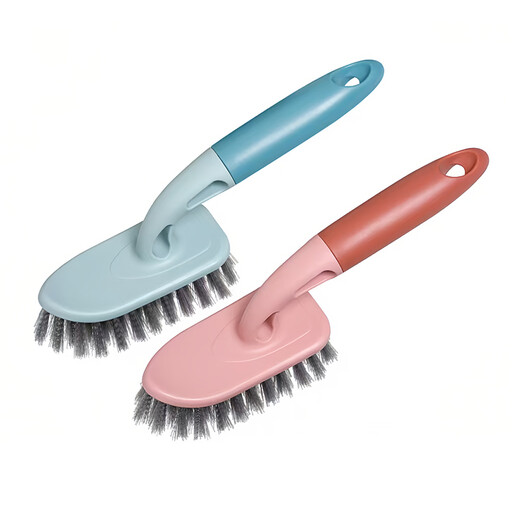
Why it suits this type of user: This two-piece set is handy for everyday use in the kitchen, bathroom or around taps. You can keep one brush for each room.
With two brushes in the set, you don’t need to use the same brush in every area. Before buying, check the exact dimensions and bristle stiffness.
Made from PP+PET according to the product name, and supplied as a pack of 2. Suitable as an all-purpose household cleaning brush.

Why it suits this type of user: Parents and households cleaning baby bottles, teats, straws and breast pump parts get several useful tools in one set.
The set includes separate brushes for bottles, teats and straws, so you won’t have to force a wide kitchen brush into narrow parts.
According to the product description, the set contains 7 pieces, food-grade silicone, BPA-free plastic, a drying rack and a storage pouch.
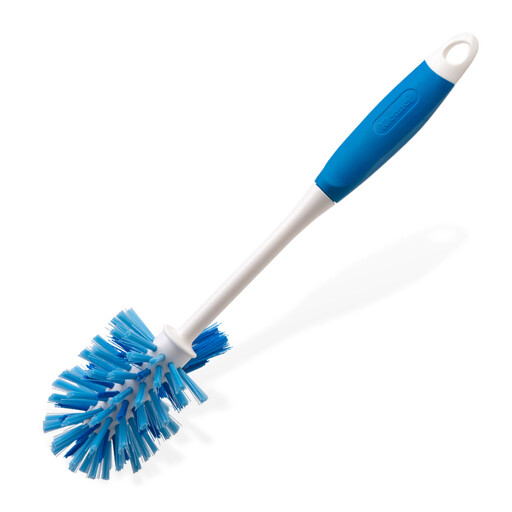
Why it suits this type of user: The long handle is designed for floors, patios, grout and other larger surfaces where you want to avoid bending down as much.
The stated length and bristle length make it clear what the brush is designed for. Don’t use it on glass, painted wood or other delicate surfaces.
36 cm long, with sturdy 29 mm plastic bristles and a TPR handle, according to the product description. Suitable for indoor and outdoor use.
In the bathroom, a bathroom brush with a narrow head works well around taps, grout and shower fittings. Choose a separate toilet brush with a holder for the toilet. According to the product description, the emmama model has a polypropylene brush and a holder with space for drips.
In the kitchen, it’s useful to have separate brushes for surfaces and bottles. Rinse brushes after use and let them dry completely. For a car, use a soft car cleaning brush or a microfibre cloth on the paintwork and glass. A microfibre air vent brush, such as the Green Air Vent Cleaning Brush, is designed for air vents, dashboards, keyboards and narrow openings. Don’t use strong acids, strong alkalis or bleach; follow the instructions.
We’ve put together a complete, up-to-date list of products that meet these strict selection criteria and comply with current European safety regulations.
Choose a narrow brush with firm, but not excessively stiff, plastic bristles. First, test it on an inconspicuous area to make sure it won’t damage the tile edge or grout. For large floors, a long-handled cleaning brush with a wider head may be more practical.
Rinse the bristles with water after use and remove any dirt left behind. Leave the brush upright or in a well-ventilated place to dry. For baby bottles, follow the manufacturer’s specific instructions; according to the product description, the parts of the Momcozy set can be boiled.
Replace the brush when the bristles are flattened, coming loose, misshapen or no longer picking up dirt properly. For a toilet brush, replace the whole brush or just the brush head when cleaning is no longer enough. A worn brush often needs more pressure, which increases the risk of damaging the surface.
