
Vandaag of morgen in huis

Kwaliteit gegarandeerd

Welkomstaanbiedingen ontgrendelen: GRATIS bezorging | Tot 80% korting | Gratis 30 dagen JoyPlus-proefperiode
Download de app
A simple cleaning brush might seem like a minor purchase, but the wrong one can quickly become a source of frustration. A washing-up brush with bristles that are too soft will barely shift baked-on food. A toilet brush without a suitable holder leaves water on the floor. And a floor brush that isn't right for the surface will scatter hairs rather than collect them.
So, when buying cleaning brushes in the UK, it pays to look beyond just price or appearance. Instead, focus on the material, dimensions and intended use.
A brush for pans needs different qualities to a bottle brush or grout brush. Stiff bristles can be useful for dried-on dirt, but they aren't automatically suitable for delicate surfaces. What's more, a toilet brush should only be used for the toilet bowl; don't use it on the sink, tiles or in the kitchen.
Practical approach: choose the right type of brush for each cleaning task. Think about a washing-up brush for everyday dishes, a pan brush for cookware, a grout brush for narrow gaps, and a separate toilet brush for the bathroom.
Terms like "extra strong", "hygienic" or "durable" don't mean much without concrete information. Instead, look at details such as material, bristle length, handle length, number of parts and care instructions.
When a brand mentions a particular benefit, that's a claim from the product description. According to the brand's own research, that claim can give you an indication, but always check whether the features suit your surface and cleaning product.
A wet brush left lying flat on a surface or inside a closed container will dry slowly. This can lead to unpleasant odours and faster wear and tear. A stand or holder that allows drainage is therefore important, especially for a toilet brush, bottle brush or bathroom brush.
Many household cleaning brushes use PP plastic, nylon, PET, silicone or rubber. PP is moisture-resistant and is commonly used in toilet brushes and handles. Nylon bristles are suitable for many washing-up and scrubbing tasks, but always check the instructions for use on delicate surfaces.
A rubber broom can be practical for hair, dust and spilled liquids. Rubber behaves differently to traditional broom bristles and, according to the product description of some models, is intended for both hard floors and carpet. That doesn't mean every carpet will react the same way: if in doubt, test a small area first.
A short brush gives you more control when cleaning dishes and grout. For a floor brush or hair remover, a longer, adjustable handle is more practical. Pay attention to, for example:
A 37 cm high toilet brush with 25 mm PP bristles and an 11.5 × 11.5 cm holder takes up relatively little space. A floor brush with an adjustable handle, on the other hand, is designed for greater reach.
Rinse a washing-up brush, grout brush or toilet brush after use and let it dry completely. Check regularly for deformed or loose bristles. Don't use harsh cleaning agents unless the manufacturer explicitly allows it. Extra care is needed with non-stick coatings: according to the product information for the pan brush mentioned, it is not intended for non-stick cookware that could scratch.
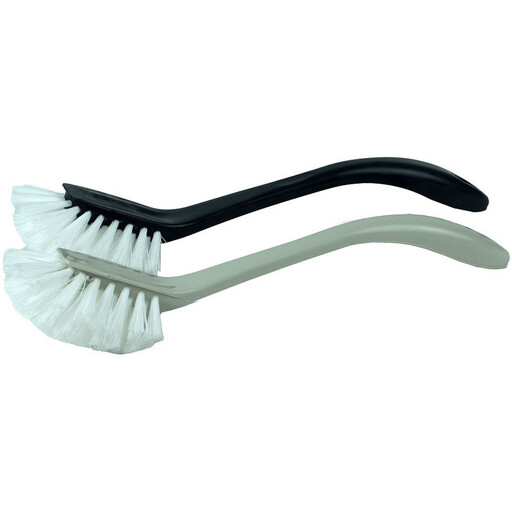
Why this fits the profile: A simple washing-up brush for everyday use on plates, pans and kitchen surfaces, without extra parts you don't need.
The product description mentions a plastic handle, sturdy bristles and easy rinsing. This lets you check the choice against concrete features rather than just marketing words.
Ergonomic handle; suitable for plates, pans and pots; supplied as 1 piece.
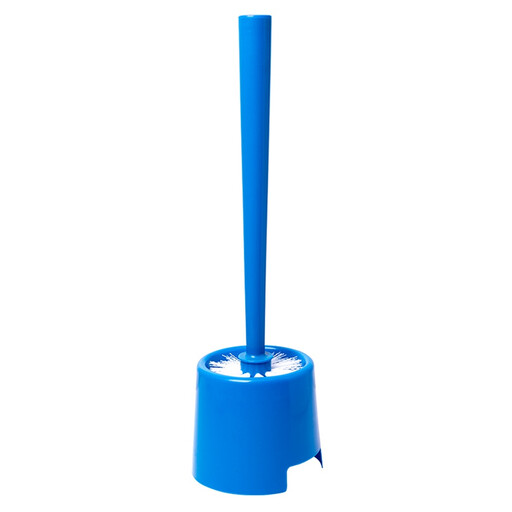
Why this fits the profile: For those who want a fixed spot next to the toilet and want to check the brush and holder dimensions in advance.
The specifications state a height of 37 cm, 25 mm long PP bristles and an 11.5 × 11.5 cm holder. This makes the required space clear from the start.
PP plastic; sturdy 25 mm bristles; compact holder for storage.
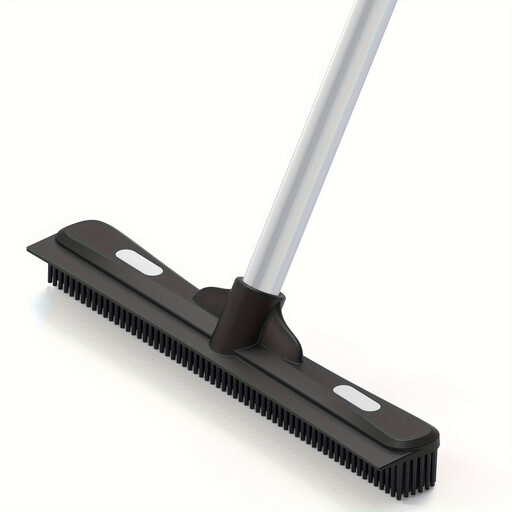
Why this fits the profile: A practical choice for households with pets or larger floors where hair, dust and liquids all need tackling.
Instead of one function with no clear sizing, the product description mentions an adjustable 61-inch handle, a rubber head and an integrated squeegee edge. Only use the squeegee edge on suitable smooth surfaces.
2-in-1 design; adjustable handle; rubber head for hard floors and carpet according to the product description.
We've put together a full, up-to-date list of products that fully meet these strict selection criteria and comply with current European safety regulations.
A brush set can be good value when you want to cover several tasks at once. Just check the contents: some sets include different levels of hardness or metal bristles. A wire brush isn't suitable for every kitchen surface and can cause scratches.
For furniture, shelves and appliances, a flexible dust remover with replaceable refills is practical. For narrow gaps, you can choose a grout or crevice brush. A bottle brush with a stand is handy if you regularly clean bottles, flasks or vases. For baby items, a specialist set with silicone parts and a drying rack makes more sense than a general washing-up brush; always follow the manufacturer's care instructions.
That depends on use, material, cleaning product and drying method. Replace the brush when bristles come loose, bend out of shape or no longer clean effectively. A fixed lifespan can't be given for every washing-up brush, toilet brush or floor brush.
Rinse away dirt and soap residue thoroughly after use. Shake off excess water and let the brush dry upright or in a holder. Clean a toilet brush and holder regularly according to the product instructions. On plastic, don't use abrasive products that could damage the surface.
Choose a single brush when you want to solve one clear task. A brush set is better suited to households that want to tackle the kitchen, bathroom, grout and hard-to-reach spots all at once. Check beforehand that the materials are suitable for your surfaces.
