
Vandaag of morgen in huis

Kwaliteit gegarandeerd

Welkomstaanbiedingen ontgrendelen: GRATIS bezorging | Tot 80% korting | Gratis 30 dagen JoyPlus-proefperiode
Download de app
A cleaning brush might seem like a simple household essential, but choosing the wrong one can quickly become frustrating. A brush that’s too short won’t reach into a narrow gap. Bristles that are too stiff can damage surfaces, while soft bristles may not shift enough dirt. An awkward handle or nowhere suitable to dry the brush can also mean you stop using it sooner.
Whether you’re looking for a crevice brush, grout brush, bottle brush, washing-up brush or radiator brush, look beyond the photo and general marketing claims. The intended use, dimensions and materials will determine whether a brush is right for your home.
A stiff brush may be suitable for baked-on residue on tiles, but too harsh for delicate surfaces. Bottles, crockery and taps usually need a different shape and bristle firmness from grout or a garage floor.
So pay attention to the combination of bristles, brush head shape and intended use. A general-purpose household cleaning brush is handy for everyday jobs, but it won’t necessarily suit every task.
A long cleaning brush is useful for a radiator, a high ledge or the space behind a cupboard. But length isn’t everything. Check that the head is narrow enough and the handle offers a good grip. A brush for hard-to-reach places needs to be easy to manoeuvre as well as long.
A brush that stays wet for a long time may start to smell unpleasant or wear out more quickly. A stand or hanging loop is useful for bottle brushes. A toilet brush needs a holder for more hygienic storage. Check whether the manufacturer says the product is dishwasher-safe too; this varies by model.
For personal use, don’t apply excessive pressure and stop if irritation occurs. A nail brush, body brush or make-up brush has a different purpose from a brush for bathroom fixtures.
Measure the area before you order. For example:
A longer handle gives you greater reach, but may be less precise. For grout, window tracks and the area around a tap, a narrow head is often more important than maximum length.
A non-slip or ergonomic handle can help when your hands are wet. Also check whether the brush has a hanging loop, stand or holder. After use, let brushes drain and dry according to the product instructions. Replace a brush if the bristles come loose, become misshapen or are damaged.
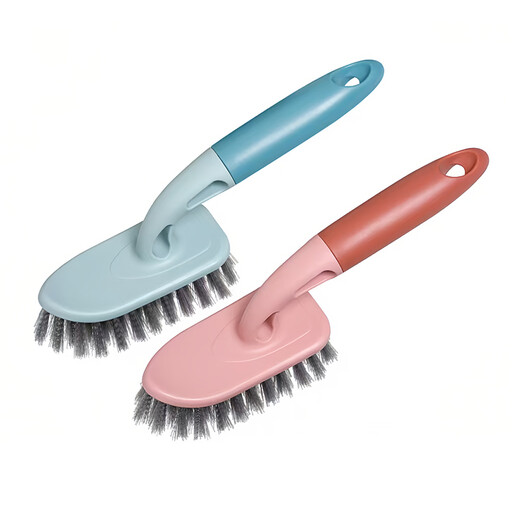
Why it suits this user: This set is designed for general household use and includes two brushes, making it a handy choice if you want to tackle different areas of the kitchen or bathroom.
A two-piece set means you won’t need to buy a new brush for every small gap. Before you buy, check that the bristle firmness and dimensions suit your needs.
Pack of 2; made from PP and PET according to the product listing; designed for a range of household uses.
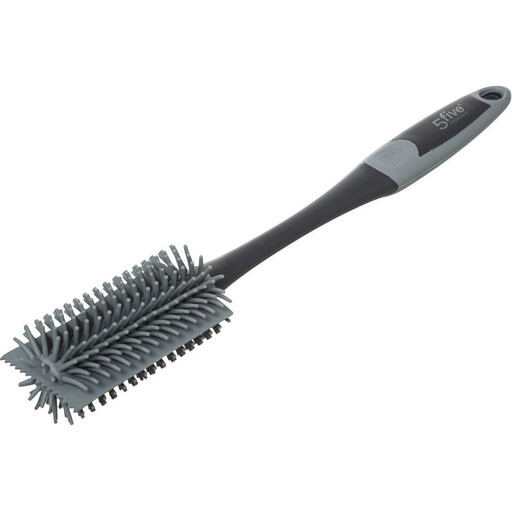
Why it suits this user: A practical choice for households that regularly clean bottles, baby bottles or narrow glasses.
The length and rubber bristles are clearly specified, so you can compare the brush with the opening and fragility of your bottles.
35 cm long; rubber bristles; scraper at the tip; dishwasher-safe according to the product description.
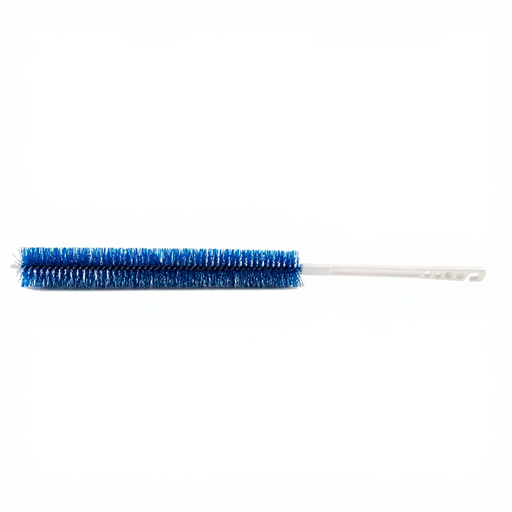
Why it suits this user: Designed for people who regularly need to remove dust and dirt from narrow, deep spaces behind or between radiators.
The fixed length of 64 cm makes it easy to check the reach. Before buying, make sure the brush will fit between your radiator and the wall.
64 cm long; made from hard plastic; lightweight at 89 grams according to the specifications.
We’ve put together a complete, up-to-date list of products that meet these strict selection criteria and the applicable European safety regulations.
A grout brush or narrow crevice brush with firm plastic bristles is a good option. Check the width of the head, and don’t use metal bristles on delicate tiles or sealant without testing the surface first.
After use, rinse the bottle brush thoroughly with warm water and a mild cleaning product. Leave it to dry completely on a stand or hanging up. The York Hc 01016 product description advises against leaving the brush in water for long periods and recommends replacing it if the bristles are worn or coming loose.
Its lifespan depends on how often you use it, how much moisture and cleaning product it’s exposed to, and how much pressure you apply. There’s no set lifespan that applies to every model. Replace the brush as soon as the bristles fall out, become misshapen or stop springing back properly. Always follow the manufacturer’s care instructions, and use a toilet brush, nail brush, shoe polish brush and paintbrush only for their intended purpose.
