
Vandaag of morgen in huis

Kwaliteit gegarandeerd

Welkomstaanbiedingen ontgrendelen: GRATIS bezorging | Tot 80% korting | Gratis 30 dagen JoyPlus-proefperiode
Download de app
A cleaning brush may seem like a simple household item, but choosing the wrong model can quickly become frustrating. A handle that is too short will leave you constantly bending down, soft bristles barely tackle baked-on dirt, and a brush that does not drain water properly can leave streaks behind. Marketing terms such as “multifunctional” also mean little if it is not clear which surface and task the product is suitable for.
Pay particular attention to these three common pitfalls:
The best choice depends on the dirt, the surface and where you are cleaning. A floor brush with a long handle is practical for large areas, while a compact grout brush gives you more control in narrow gaps. The toilet, bathroom and pet hair all have different requirements.
Look at the material of the bristles or rubber head:
A scrubbing brush with dense, sturdy bristles works effectively on baked-on residue. Do not use this type of brush without first checking that the floor can withstand intensive scrubbing. According to the manufacturer’s product information, the 36 cm hand brush is intended for floors, decking, grout and outdoor surfaces, among other uses; the manufacturer also warns against using it on delicate materials such as glass and polished wood.
For floors and tiles, the handle is an important purchasing consideration. A long handle helps you reach larger areas without constantly bending down. Check:
A 36 cm brush is suitable if you are looking for a hand brush with slightly more reach. An adjustable floor brush may be more practical for shower walls, patios, walls and garage floors. For tight spaces between furniture or along skirting boards, a compact bathroom brush or grout brush is the better choice.
A rubber broom is an interesting option for pet owners. According to the product description, the rubber head can gather hair, fluff and dust from hard floors and carpets. An integrated squeegee is primarily intended for pushing liquid away on smooth surfaces.
An electric cleaning brush can be useful for regular scrubbing in the bathroom or kitchen. Pay attention to the number of included heads, charging time, speed settings and how the device is protected against water. An IPX6 rating does not mean that you can submerge the entire housing in water. Always follow the instructions and remove the plug or charging cable before changing attachments.
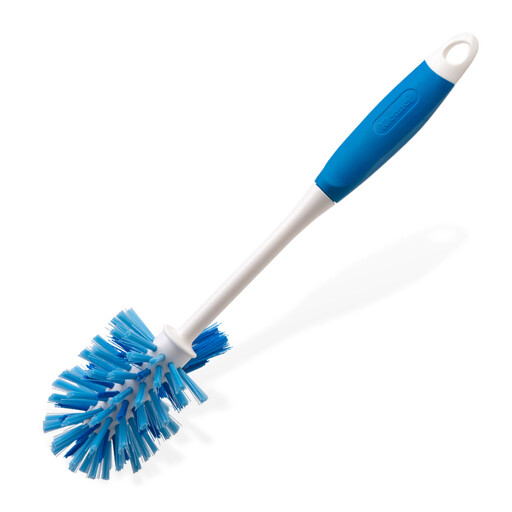
Why it suits this profile: This compact scrubbing brush is ready to use straight away and is suitable for floors, tiles, grout, patios and garage surfaces.
The specifications state that it has a 36 cm handle and dense, 29 mm-long bristles. This makes it clear what the brush is designed for, rather than relying solely on the term multifunctional.
Stiff plastic bristles, a TPR handle and a construction made from moisture- and chemical-resistant plastic, according to the product information.
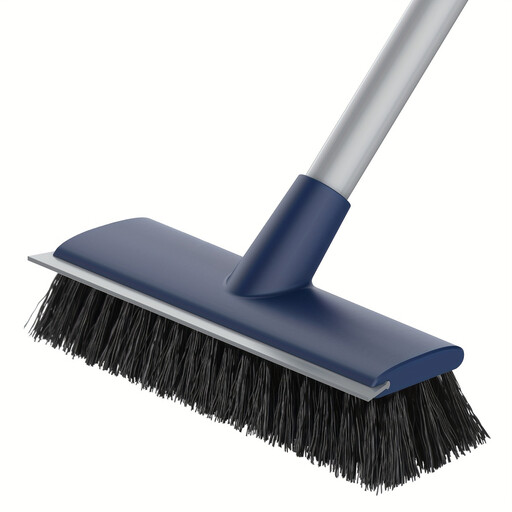
Why it suits this profile: The adjustable handle and combination of brush and squeegee are ideal for households that want to tackle several hard surfaces with one tool.
The adjustment range of 49.2 to 124 cm is specified, as is the angled brush head. This allows you to adjust the size to suit floors, walls or hard-to-reach areas.
2-in-1 design with stiff synthetic bristles and an integrated squeegee for bathrooms, patios, garages, walls and tiled floors.
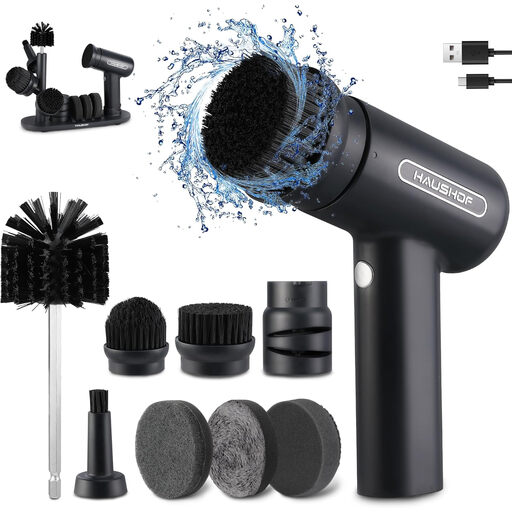
Why it suits this profile: This model is designed for people who regularly clean bathrooms, kitchens, tiles and toilets and need a range of brush attachments.
The product information lists three speeds, seven brush heads, an LCD screen and an IPX6 rating. Do not submerge the main unit in water.
Cordless use, three speeds and accessories for various cleaning tasks. According to the manufacturer, the operating time is up to 320 minutes; check the current instructions for charging and usage information.
Rinse a cleaning brush after use, remove hair and dirt from the bristles, and allow the head to dry completely. Ideally, store a floor brush upright or in a well-ventilated place. Check the connections of an adjustable handle regularly. With an electric cleaning brush, clean the attachments without submerging the motor unit.
Replace a toilet brush when the bristles have become misshapen, continue to hold dirt or can no longer reach properly beneath the rim. With a silicone model, such as the SNSP toilet brush, it is advisable to rinse the head after use and keep the holder dry. According to the product description, this set is suitable for wall mounting or placing on the floor.
We have put together a complete, up-to-date list of products that fully meet these strict selection criteria and the applicable European safety regulations.
Choose a narrow grout brush with sturdy plastic bristles. The head should be narrower than the grout line, allowing you to work precisely. Test it on an inconspicuous area first and do not use an aggressive cleaner without checking the instructions from the floor or tile manufacturer.
According to the product description, a rubber broom can help gather pet hair, fluff and dust from hard floors and some carpets. The result depends on the type of floor, the amount of hair and how you sweep. Clean the rubber head with water and mild soap after use.
Fully charge the device according to the instructions, use the lowest suitable speed and remove dirt from the brush head after every task. Store the device somewhere dry on the stand provided. Actual operating time varies depending on the speed, attachment and maintenance.
