
Vandaag of morgen in huis

Kwaliteit gegarandeerd

Welkomstaanbiedingen ontgrendelen: GRATIS bezorging | Tot 80% korting | Gratis 30 dagen JoyPlus-proefperiode
Download de app
A cleaning brush might seem like a simple household item, but you will quickly notice the wrong choice. A handle that is too short makes it difficult to clean deep pans. Bristles that are too hard can damage surfaces. And a brush that stays wet after use soon becomes unpleasant to handle.
That is why the Joybuy Product Recommendation Officer pays particular attention to material, dimensions, bristle firmness and maintenance. This way, you avoid relying solely on an attractive product photo or generic marketing copy.
A nice-looking handle says little about the cleaning result. Always check what the handle and bristles are made from. PP, ABS, nylon, PET, silicone and microfibre each have a different use profile.
A pan brush for burnt-on residue is not automatically suitable for non-stick coatings, glass or car paint. Some brushes actually carry a warning that using them on certain surfaces may cause scratches. Therefore, use a separate kitchen brush, car polishing brush or soft dusting brush when the surface demands it.
A brush that constantly sits in water wears out faster and can develop an unpleasant smell. Rinsing after use, removing excess water and letting the brush dry are simple steps. Also check regularly for loose or misshapen bristles. A worn-out washing-up brush, toilet brush or grout brush cleans less evenly.
First, consider the task. For caked-on food residue, firm nylon or plastic bristles are practical. For furniture, keyboards, blinds and car interiors, soft, flexible bristles or microfibre are safer.
With a bottle brush, firmness is not the only important factor. The brush must also be narrow enough for the opening and able to reach the bottom. A standard kitchen brush is often too wide for this.
A long handle keeps your hands further from hot water, soap and dirt. This is handy for deep pans, sinks and high edges. A short handle gives you more pressure and control for intensive scrubbing.
Pay attention to the size:
PP and other plastics are easy to rinse off. Nylon and plastic bristles can be suitable for more intensive household use, but always check the warnings on the product page. Do not use boiling water or harsh cleaning agents if this is not permitted.
For daily maintenance:
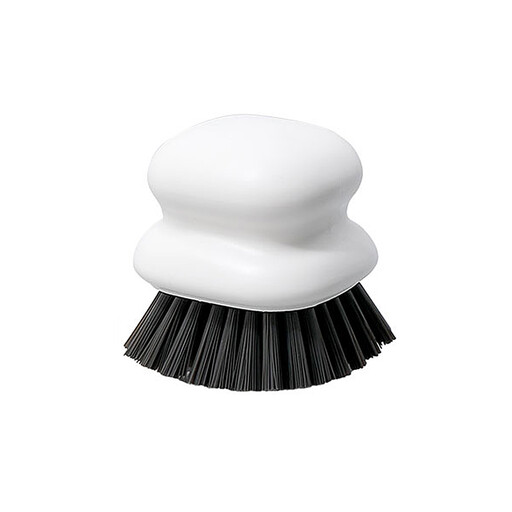
Why this fits the profile: The short handle offers control for daily washing-up, pans and surfaces in the kitchen or shower.
The product information mentions the plastic handle and that it is ready for immediate use. The compact shape prevents an awkwardly long handle in small sink basins.
Short handle; suitable for kitchen and shower; available as a single piece.

Why this fits the profile: Families who clean multiple types of bottles, teats and small parts get different attachments in one set.
The set is not limited to one wide brush: it includes a bottle brush, teat brush and straw brush, among others.
7-piece composition; food-grade silicone and BPA-free plastic according to the product description; foldable drying rack.
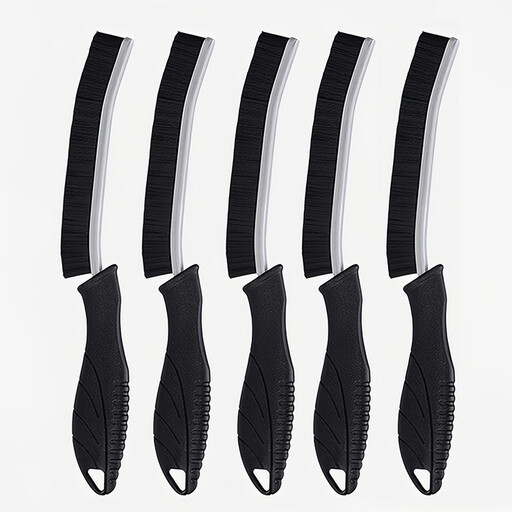
Why this fits the profile: A set of five is practical for households that regularly tackle multiple crevices, edges and hard-to-reach zones.
The narrow shape is designed for seams and gaps, rather than one universal brush for every surface.
5 pieces per pack; long handle; intended for crevices and hard-to-reach places.
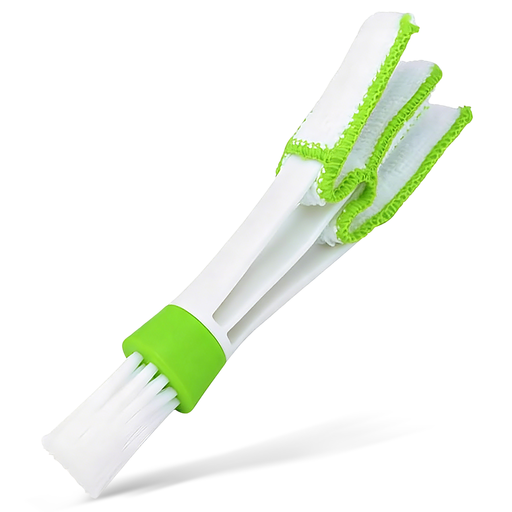
Why this fits the profile: The combination of microfibre and PP brushes is designed for ventilation grilles, dashboards, keyboards and blinds.
The removable and washable head makes maintenance easier. Do check before use that there is no sand or hard particles trapped in the bristles.
Microfibre and PP; removable washable head; size 16 × 6 × 2.5 cm.
For the toilet, there are various models with a holder and rim cleaner. A 37 cm model with 25 mm PP bristles and a base of 11.5 × 11.5 cm is designed for reaching under the rim. For clothing, softer bristles are more suitable: a clothes brush can remove dust, fluff and hairs from materials including cotton, wool and synthetic fabrics.
A dusting brush with three refills is handy for furniture, shelves and appliances. If you maintain your shoes, consider a shoe brush set with hard and soft bristles. So choose your brush based on the surface, not just on the number of features.
We have compiled a full, up-to-date list of products that fully meet these strict selection criteria and current European safety regulations.
For pans, firm nylon or plastic bristles and a handle with good grip are practical. Always check the warning regarding non-stick coatings. Do not use a hard pan brush indiscriminately on delicate coatings.
Rinse the brush after use with warm water and remove any food residue, dust or soap. Then let it dry completely in a well-ventilated spot. For disinfecting, follow the manufacturer's instructions and do not use harsh cleaning agents if this is not permitted.
That depends on usage and material. Replace the brush as soon as bristles come loose, bend or fall out, or when the handle shows cracks. With daily intensive use, this may be needed sooner than with occasional cleaning.
