
Vandaag of morgen in huis

Kwaliteit gegarandeerd

Welkomstaanbiedingen ontgrendelen: GRATIS bezorging | Tot 80% korting | Gratis 30 dagen JoyPlus-proefperiode
Download de app
A cleaning brush may seem simple, but the wrong model can quickly become frustrating. A brush that’s too stiff can scratch paintwork or plastic. One that’s too soft may struggle to shift stubborn dirt from tiles or grout. Accessories are also sometimes sold as “universal”, even when they don’t fit your drill, pressure washer or surface.
So, look out for these three common pitfalls:
Choosing the right brush starts with the surface and the amount of dirt. A car brush or car detailing brush needs to be used differently from a grout brush or patio brush.
Soft, flexible bristles are usually more practical for delicate surfaces. These include:
For tiles, concrete, grout and garage floors, you can use a sturdier scrubbing brush. Just check that the manufacturer recommends it for that purpose. A grill brush with metal parts, for example, is designed for suitable grill grates, not car paintwork or kitchen surfaces.
According to the product information, the Oxerbog drill brush set includes several nylon brush heads. The soft white head is designed for delicate surfaces, the yellow one for areas such as wheels and tiles, and the stiffer options for more durable materials. Don’t use a stiff head on leather, paintwork or other soft finishes.
A pressure washer brush is only useful if its connector fits your machine. For a drill brush set, check the shank shape and your tool’s maximum speed.
According to the product specifications, the Oxerbog 15-piece set has a standard hexagonal connector that fits many cordless drills and electric screwdrivers. The included extension rod can be useful for hard-to-reach areas, such as under car seats or between wheels. Always secure the brush head properly before switching on the machine.
The length of a hand brush matters too. A model with a 36 cm handle can be more comfortable for floors, patios and outdoor tiles, as you won’t need to bend down as often. For a narrow gap, a compact crevice brush is a better choice.
A brush will last longer if you remove sand, hair and cleaning product after use. Let the bristles dry completely before putting the brush away. For electric models, also check:
An electric cleaning brush may save you from scrubbing by hand, but it uses electricity and needs extra care around water and electronic components. Don’t use a battery-powered device in situations where the manufacturer hasn’t specified that it’s protected.
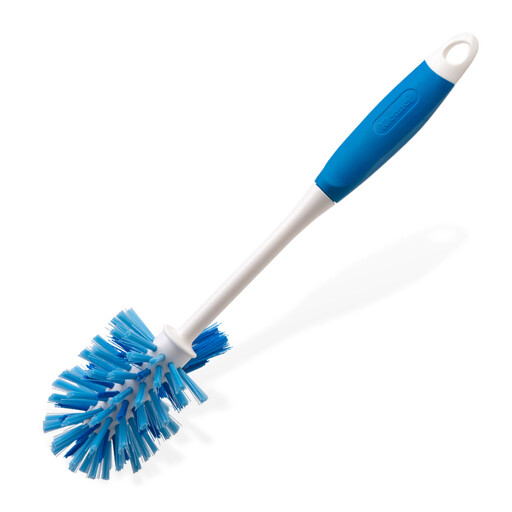
Why it suits this profile: A simple hand brush with no battery or assembly required, for floors, tiles, grout and outdoor furniture.
The product information clearly states that the handle is 36 cm long and the bristles are 29 mm. This makes it easier to judge the size and suitability before you buy.
TPR handle, sturdy polypropylene bristles and ready to use with no assembly required.
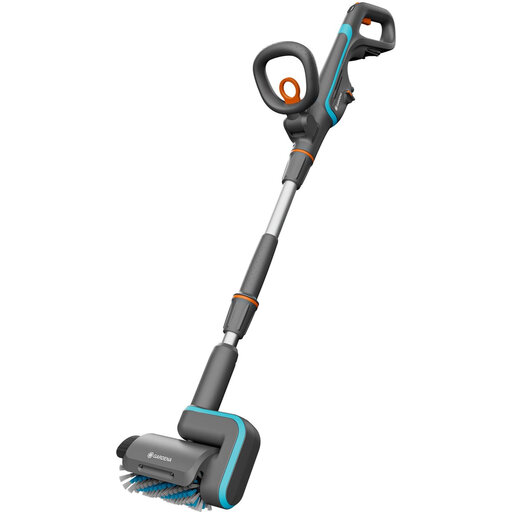
Why it suits this profile: Designed for regular care of wooden patios, stone, WPU and uneven outdoor surfaces.
The product page lists three water settings and a brush profile designed for delicate wooden decking. The battery and charger aren’t included, so check this before buying.
18V system, telescopic extension tube and adjustable water flow.
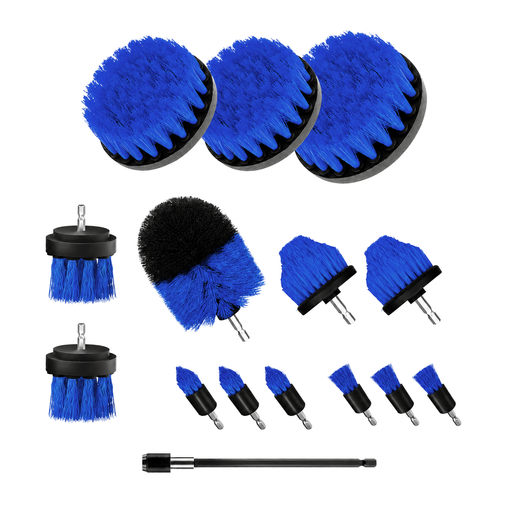
Why it suits this profile: For anyone looking to clean car interiors, wheels, tiles, bathrooms and corners with one brush set.
The set includes seven nylon heads in different sizes and levels of stiffness. This lets you choose a head that better suits the surface than a single universal brush would.
Hexagonal connector, extension rod and brush heads for a range of cleaning tasks.
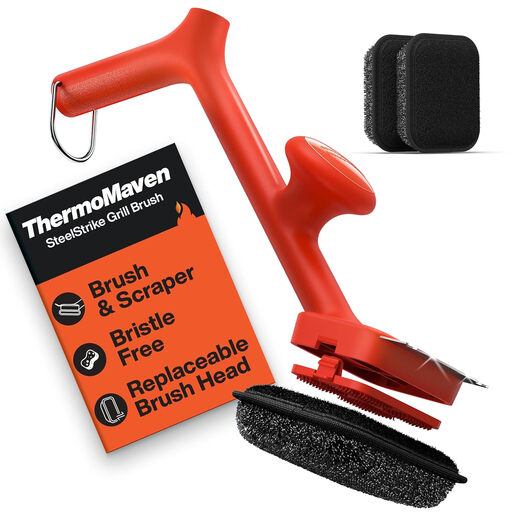
Why it suits this profile: For cleaning gas, charcoal and other suitable grill grates after a barbecue.
According to the product information, this grill brush has no loose wire bristles and comes with a scraper. Always check that your grill grate is suitable for the recommended cleaning method.
17-inch handle, three interchangeable heads and dishwasher-safe brush heads, according to the product description.
We’ve put together a complete, up-to-date list of products that meet these strict selection criteria and comply with current European safety regulations.
A pressure washer can save time on larger surfaces. Pay attention to the distance from the surface and the water pressure. A patio brush or rotary brush may clean more evenly than a narrow jet.
Choose a soft car brush with clean, flexible bristles. Don’t use a stiff grout brush, metal grill brush or stiff drill brush on paintwork. Rinse off dirt first and use light pressure.
It depends on the material, how often you use it and the surface you clean. A brush for concrete will wear differently from a detailing brush for car interiors. Flattened, cracked or loose bristles are a practical sign that it’s time to replace the brush.
Not always. It may save you time and effort, but you’ll also need to factor in batteries, chargers, wear parts and electricity use. Compare the included accessories and check whether replacement parts are available.
