
Vandaag of morgen in huis

Kwaliteit gegarandeerd

Welkomstaanbiedingen ontgrendelen: GRATIS bezorging | Tot 80% korting | Gratis 30 dagen JoyPlus-proefperiode
Download de app
A cleaning brush might seem like a simple household item, but the difference between a smart purchase and a disappointing one often comes down to small details. A brush that’s too soft won’t shift stubborn dirt properly. A short handle means you’re constantly bending over. And a brush that stays wet after use can quickly start to smell unpleasant.
As a Joybuy Product Recommendation Officer, I focus on the features you can actually check: material, dimensions, bristle stiffness, reach and maintenance. That way, you choose based on the cleaning task you need the brush for, not on fancy marketing words.
A sturdy scrubbing brush might be fine for tiles, grout or a patio, but it’s not automatically suitable for delicate surfaces. Hard plastic or wire brushes can scratch varnished surfaces, bathroom fittings or certain floor types. Always check what the product information says the brush is intended for.
A floor brush with a long handle gives you more reach, but only if the length suits your height and the space you’re working in. A handle that’s too short makes for uncomfortable work. A handle that’s too long or loose makes it harder to apply enough pressure. When looking at an adjustable handle, check the minimum and maximum reach, and make sure the connection can be locked securely.
A brush with a squeegee sounds versatile, but it’s mainly useful when you want to scrub and then remove water afterwards. For dry dust or pet hair, a rubber brush often works differently from a classic scrubbing brush. So decide on the main task first: scrubbing, dusting, washing up, cleaning grout, removing water or collecting pet hair.
For floors, bathroom tiles and outdoor surfaces, stiff synthetic bristles are practical when you need to loosen caked-on dirt. For crockery, bottles and delicate surfaces, more flexible or softer bristles are usually a better fit. A grout brush typically needs a narrow head so you can work precisely along tile edges.
A scrubbing brush with metal or steel bristles is intended for specific heavy-duty jobs. Don’t use such a brush without checking the surface first. The product information for a set of wire brushes might say it’s designed for kitchen or intensive cleaning, but that doesn’t mean every finish can be treated with it.
Measure the space where you’ll be using the brush before you buy. For a radiator brush, the length and width are especially important. A model that’s 64 cm long and 5 cm wide can be suitable for narrow gaps between or behind radiator sections, depending on the design of your heating.
For floors and shower walls, an adjustable handle is more practical. According to the product description, the Emmama model has an adjustable reach of 49.2 to 124 cm and a head angled at 45 degrees. That can help you work with less bending, but the right working height still depends on your own height.
Rinse a bathroom brush, toilet brush or washing-up brush thoroughly after use. Then let the head dry completely. A holder with drainage space is practical for a toilet brush. For a bottle brush, a stand or drying rack is handy, because moisture can linger longer in a narrow brush head.
Also check regularly for loose bristles, distortion, cracks and a loose handle. Replace a brush when the head loses its shape or no longer cleans effectively. For baby bottle products, always follow the included usage and maintenance instructions.
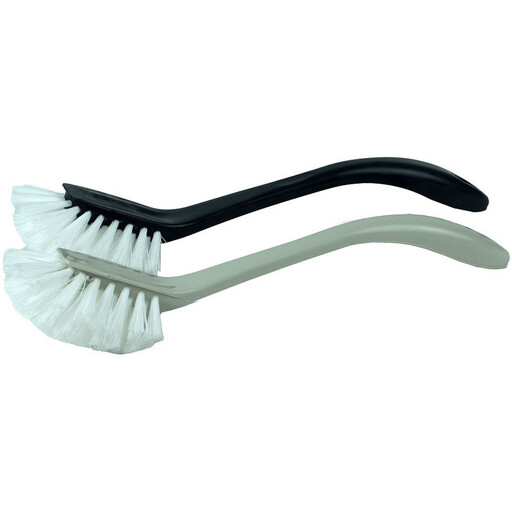
Why this fits the profile: For everyday washing up, a simple dish brush with an ergonomic handle is often all you need. According to the product description, this model is designed for plates, pans, pots and kitchen surfaces.
Its application is clearly defined. That means you don’t need to buy a multi-purpose brush for a simple washing-up job.
Plastic construction, ergonomic grip and easy to rinse and dry.

Why this fits the profile: If you need to clean different bottle parts, teats and straws, this set gives you multiple specialised heads and accessories in one package.
The set doesn’t rely on one wide brush for narrow openings. The product information mentions a bottle brush, teat brush and straw brush, among others.
7-piece set with food-grade silicone, BPA-free plastic and a foldable drying rack, according to the product description.
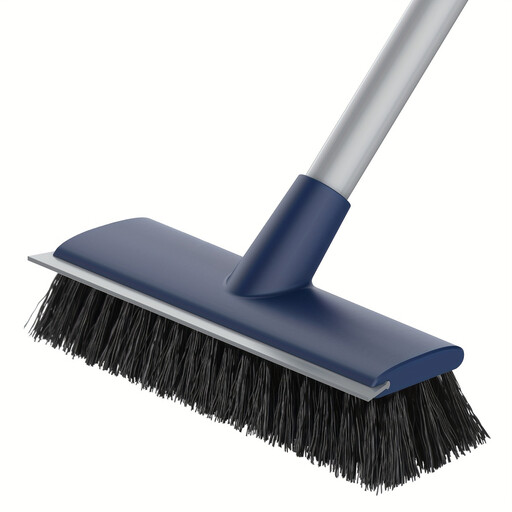
Why this fits the profile: This combination of a floor brush and squeegee is aimed at the bathroom, tiles, garage, patio and other hard surfaces.
The adjustable handle and integrated squeegee make its range of use more specific than a loose brush without water removal.
Stiff synthetic bristles, metal frame, adjustable handle from 49.2–124 cm and a 2-in-1 design, according to the product data.
We’ve put together a full, up-to-date list of products that fully meet these strict selection criteria and comply with current European safety regulations.
Choose a grout brush with a narrow head and firm, but not unnecessarily aggressive, bristles. First check whether the brush is suitable for your tile and grout material. A wide floor brush won’t reach the grout lines as precisely.
The lifespan depends on use, pressure, cleaning product and maintenance. Rinse the brush after every job, let it dry completely and replace it when bristles are loose, it becomes distorted or the handle is damaged. A toilet brush and bathroom brush typically need replacing more often than a brush that only removes dry dust.
That depends on the head material. According to the product description, a rubber brush for pet hair is designed to pick up hair, fluff and dust from carpet and hard floors. A classic brush with stiff bristles is mainly for scrubbing and therefore isn’t automatically suitable for fabric or pet hair.
