
Vandaag of morgen in huis

Kwaliteit gegarandeerd

Welkomstaanbiedingen ontgrendelen: GRATIS bezorging | Tot 80% korting | Gratis 30 dagen JoyPlus-proefperiode
Download de app
A good cleaning brush can be the difference between a quick job and sheer frustration. Yet, the choice is often more difficult than it seems. Many brushes look fine in the store but turn out to be a bad buy in practice. They shed their bristles, the handle becomes incredibly slippery, or they're ready for the bin after just a few weeks. Let's look at the most common pitfalls so that next time, you can choose a model that actually delivers on its promise.
Before you purchase a new brush, it's wise to know what often goes wrong. Many products are designed to look good on the shelf, not for long-term use in a household.
To avoid a bad purchase, it's smart to pay attention to a few technical details. These determine the effectiveness and lifespan of your cleaning brush.
Not every bristle is suitable for every job. The choice depends on what you want to clean.
The handle determines comfort and control while cleaning.
Modern brushes sometimes offer handy extras. A dish brush with a soap dispenser can be useful for a quick wash-up. For those who really want to save time and effort on big jobs, an electric cleaning brush can be a great solution. Often, a complete cleaning brush set is a smart purchase, ensuring you have the right brush on hand for every task.
Based on specifications and use cases, we have selected a few products that suit different needs.
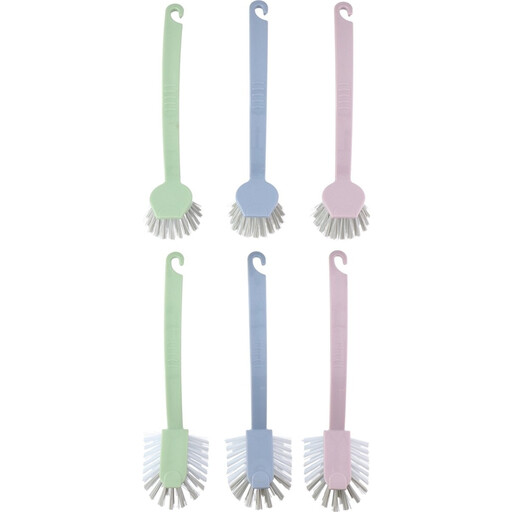
Why it's a match: For those looking for a simple, no-frills dish brush for daily washing. No unnecessary features, just a functional design that gets the job done at an accessible price.
The simple plastic design dries quickly and prevents the build-up of mould and odours, a common problem with more complex or poorly finished brushes.
The sturdy plastic material and user-friendly design make this a reliable long-term choice.
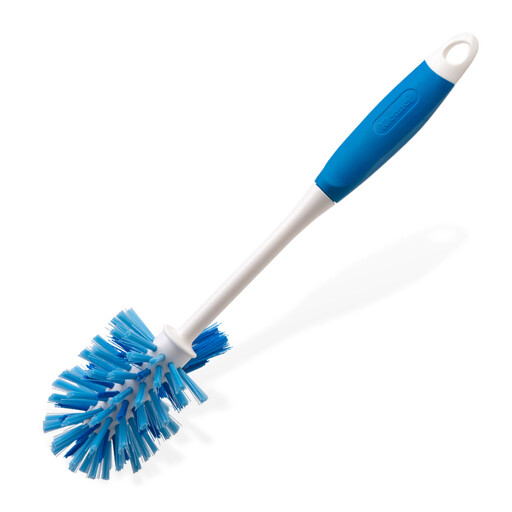
Why it's a match: Perfect for anyone needing a powerful scrub brush for patio tiles, garage floors, or bathroom grout. The long handle and stiff bristles effectively tackle stubborn dirt.
The 29mm stiff polypropylene bristles are designed to retain their shape and not go flat, even with intensive scrubbing. The soft TPR handle provides a firm, non-slip grip, even when wet.
The combination of a long handle (36 cm) and a wide brush head with dense bristles ensures efficient cleaning of large surfaces without having to bend over.

Why it's a match: For those who want to clean faster and with less effort. This electric brush takes the hard scrubbing work off your hands, ideal for bathrooms, kitchens, and even the car.
The rotating power (up to 450 RPM) does the work, so you don't have to push hard, reducing bristle wear. The adjustable handle and angles ensure an ergonomic working posture, preventing wrist and back strain.
The set comes with 8 interchangeable brush heads, giving you one device for countless tasks, from a soft polishing brush to a hard grout brush.
We have compiled a complete, up-to-date list of products that meet these selection criteria and comply with current regulations.
Rinse the brush thoroughly with hot water after each use to remove soap and dirt residue. Let it dry upright in a well-ventilated area. For a more thorough cleaning, you can soak the brush (if plastic) weekly in a solution of water and vinegar or place it in the dishwasher, if permitted by the manufacturer.
A good rule of thumb is to replace your dish brush every 1 to 3 months, depending on usage. Replace it sooner if the bristles are flattened, deformed, or discoloured, or if the brush starts to develop an unpleasant odour that doesn't go away after cleaning.
An electric cleaning brush can be a good investment if you regularly tackle large surfaces or stubborn dirt, such as bathroom tiles, shower walls, or car rims. The rotating motion saves a lot of time and physical effort. For small, daily dishwashing tasks, a regular kitchen brush is often more practical and faster.
