
Vandaag of morgen in huis

Kwaliteit gegarandeerd

Welkomstaanbiedingen ontgrendelen: GRATIS bezorging | Tot 80% korting | Gratis 30 dagen JoyPlus-proefperiode
Download de app
The right cleaning appliance can save you time, but high suction power or a long list of features doesn’t automatically mean a model is right for your home. A robot vacuum for a flat has different requirements to a wet-dry vacuum for the garage or a carpet cleaner for a household with pets.
Most common buying mistakes come down to three misunderstandings:
First, think about the surfaces and the type of dirt you want to tackle regularly.
With vacuum cleaners, suction power is sometimes given in Pa or kPa, while the power consumption is in watts. A motor with more watts doesn’t automatically use energy more efficiently, and a higher Pa figure doesn’t tell you everything about the brush, airflow or filtration.
So also look at:
With a carpet cleaner, a separate dirty water tank is practical. With a wet-dry vacuum, a suitable wet filter and an easy drain point are important.
Measure the space around a base station, the length of a cord or hose, and the height under furniture beforehand. A robot vacuum needs enough clear space to dock. According to the product information for the JONR T5 Pro, for example, at least 0.5 metres on both sides and 1.5 metres in front of the station are recommended.
For a pressure washer, a long hose determines how much you need to move it. The GISAM has an 8-metre hose according to the product description. With a stick vacuum, it’s the weight and the swivel of the nozzle that determine daily comfort.
Check whether filters are washable, how often brushes need to be cleared, and whether consumables are available. Do not use a vacuum cleaner for liquids unless it is expressly permitted. Steam appliances are not suitable for all types of wood, plastic or delicate fabric. If in doubt, test on an inconspicuous spot first.
Also pay attention to the instruction manual, CE marking and information about the responsible provider in the EU. This doesn’t replace checking the full product documentation, but it helps you assess safety information more effectively.
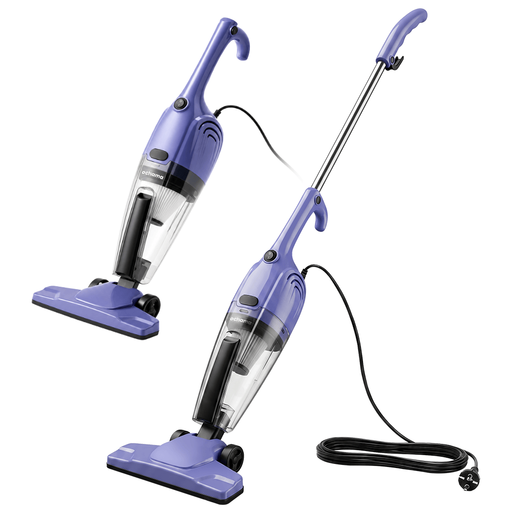
Why this fits the profile: This corded model is ideal for small homes and quick daily cleans. The combination of stick and handheld modes helps with floors, furniture and hard-to-reach spots.
The constant power supply means you don’t have to worry about a flat battery during a clean. The filter is washable and the dust container is visible.
According to the product information: 550 W motor, 4.5-metre cord, multiple settings and a washable filter.

Why this fits the profile: This robot vacuum suits households that want to combine daily vacuuming and mopping with a station that handles multiple maintenance tasks.
The product information mentions automatic emptying, mop washing with hot water, drying and refilling. Do check the required space and ongoing costs.
According to the product description: 20,000 Pa stated suction power, LiDAR-like mapping via TrueMapping 2.0 and an OMNI station with 4 litres of clean water.
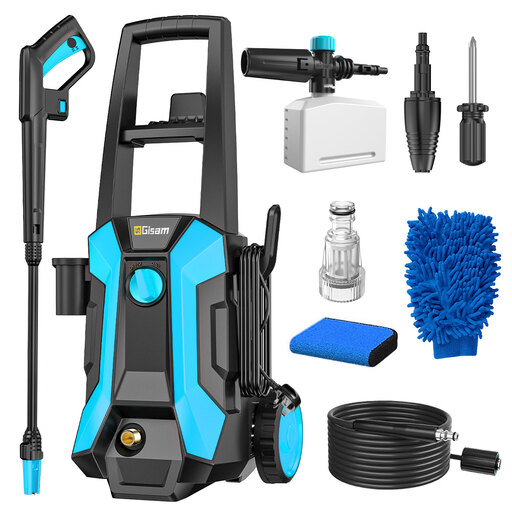
Why this fits the profile: For patios, fences, garden paths, driveways and cars, a pressure washer is more practical than an indoor appliance.
The 8-metre hose reduces the need to move the machine. Use the correct spray nozzle and keep your distance from delicate paint, wood and grouting.
According to the product information: 2,200 W, 180 bar, 480 litres per hour, a foam and rotating nozzle and a hose reel.
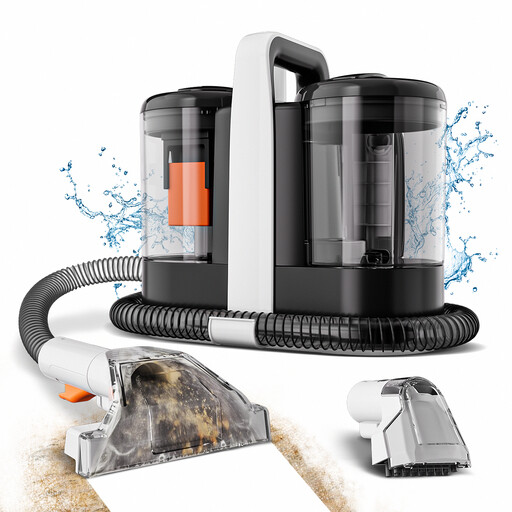
Why this fits the profile: This compact appliance is designed for stains on carpets, sofas, mattresses and car seats, for example after spills or muddy paw prints.
The dual tank separates clean and dirty water. Stick to the MAX mark; a tank that is too full can affect the suction performance, according to the product information.
According to the product description: 600 W, 15 kPa stated suction power, a 1.5-litre clean water tank and a 0.8-litre dirty water tank.
We’ve put together a full, up-to-date list of products that fully meet these strict selection criteria and current European safety regulations.
For everyday dust and hair, a robot vacuum or stick vacuum with an anti-tangle brush is practical. For stains on a sofa or carpet, you’ll also need a spot cleaner. Don’t just look at the stated suction power; also consider the brush design, reservoir and maintenance.
Regularly clear the brush and wheels of hair and check the filter according to the instruction manual. Empty the water and dirt reservoirs in good time. Even with automatic cleaning, sensors, mop pads and collection bins may need manual maintenance.
In addition to the purchase price, electricity, water, cleaning solution, filters, dust bags, brushes and batteries can all add up. A corded model doesn’t need a battery, while a robot with a station may use dust bags or cleaning fluid. So compare the included accessories and the price of replacement parts before you order.
