
Vandaag of morgen in huis

Kwaliteit gegarandeerd

Welkomstaanbiedingen ontgrendelen: GRATIS bezorging | Tot 80% korting | Gratis 30 dagen JoyPlus-proefperiode
Download de app
A clay mask for pores and sebum can be a practical addition to a routine for oily, combination or blemish-prone skin. Yet not every mask is the same. Some formulas focus mainly on sebum absorption, while others combine clay with exfoliating ingredients or a hydrating essence.
Most mis-purchases come down to three common pitfalls:
Kaolin, bentonite and other types of clay are used in face masks to bind moisture and sebum to the skin’s surface. A purifying clay mask with multiple clays can be suitable for the T-zone, nose and chin. For combination skin, applying it locally is often more practical than covering the whole face.
A wash-off face mask with charcoal or clay suits those looking for a more intensive cleansing moment. A creamy formula can feel more comfortable than a mask that dries out quickly. A stick mask is handy for targeted application and limits hand contact.
If blackheads are your main concern, look for ingredients such as salicylic acid, betaine salicylate or mild exfoliants. These ingredients are used in some product formulas for pore care. According to the product descriptions of certain brands, they may help remove surface impurities, but this isn’t guaranteed for every skin type.
Also watch out for combinations. Don’t use multiple exfoliating products on the same evening without thinking it through. A mask with AHA, BHA or PHA requires extra attention to skin tolerance and sun protection. If your skin reacts quickly, a patch test is wise.
The sizes in this selection range from single-use masks to 240 g tubs. A large format seems appealing, but only if you use the product regularly and seal it properly. Always check the expiry information and packaging.
Many products recommend using them once or twice a week. The Honey Roa Clay Mask Green suggests, according to its product description, two to three times a week with a short application time of around five minutes. Always follow the current instructions on the packaging. Don’t leave a clay mask on longer than recommended and rinse it off thoroughly with lukewarm water.
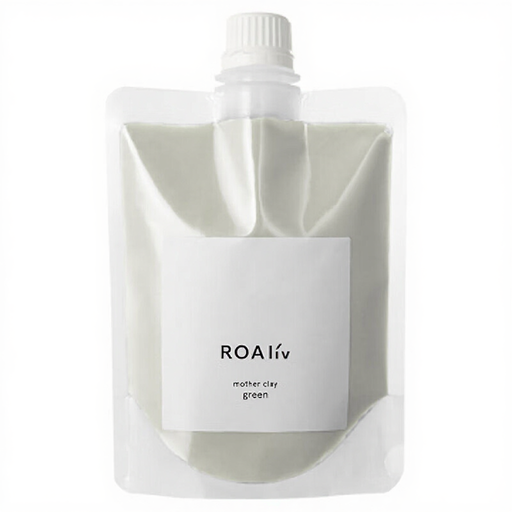
Why this fits the profile: The generous 240 g tub is practical for anyone who wants to use a clay mask regularly on the T-zone or other areas of the face. The product description mentions a blend of kaolin, bentonite, illite and sea silt.
The usage time is clearly stated: around five minutes, then rinse off. This prevents leaving it on to dry out unnecessarily.
240 g size; multiple types of clay; according to the product description, also suitable for the neck and décolletage.
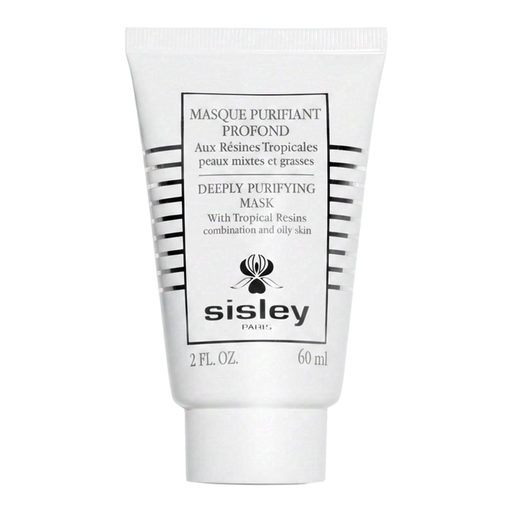
Why this fits the profile: The creamy formula is designed, according to the product description, for combination to oily skin and contains kaolin, bentonite, panthenol and plant extracts among its ingredients.
The instructions recommend once or twice a week with a ten-minute application time, keeping intensive use in check.
Kaolin and bentonite in the ingredients list; panthenol and several plant extracts; suitable for spot application according to the description.
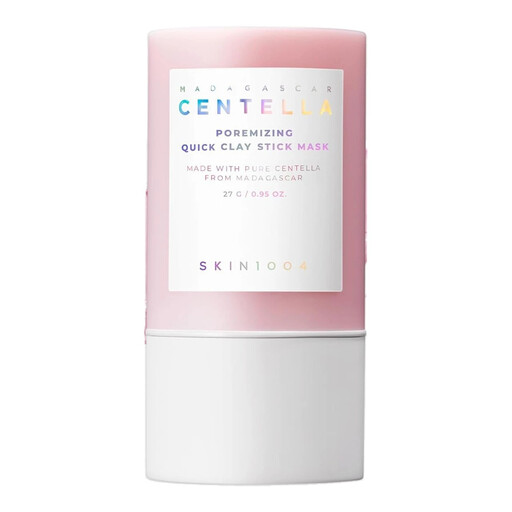
Why this fits the profile: The stick format is ideal for quick, targeted application, for example just on the nose, chin or forehead. According to the product description, the formula contains five types of clay.
The packaging states a short application time of three to five minutes. Close the stick properly after use to prevent it drying out.
27 g stick format; kaolin, bentonite, illite and montmorillonite listed; targeted application without having to scoop the product out with your fingers.
We’ve put together a full, up-to-date list of products that fully meet these strict selection criteria and comply with current European safety regulations.
A mask for acne-prone skin doesn’t replace treatment for persistent skin concerns. Stop if you experience redness, itching, a burning sensation or swelling. If you have known allergies, always check the full ingredients list.
A clay mask can absorb excess sebum and surface impurities. This can make blackheads appear less noticeable temporarily. The effect varies by skin type and isn’t the same as permanently removing blackheads.
For many formulas, the recommended frequency is once or twice a week. Some products state a different frequency. So follow the packaging and reduce use if your skin feels tight or becomes sensitive.
A Korean face mask can be suitable, but the origin alone doesn’t determine how a product works. Look at the types of clay, exfoliants, fragrance, essential oils, size and usage instructions. That way, you can make a more targeted choice for a clay mask for oily skin or a gentler wash-off formula.
