
Vandaag of morgen in huis

Kwaliteit gegarandeerd

Welkomstaanbiedingen ontgrendelen: GRATIS bezorging | Tot 80% korting | Gratis 30 dagen JoyPlus-proefperiode
Download de app
A clay mask for blemish-prone skin may suit oily, combination or easily congested skin. However, not every face mask is suitable for the same routine. A highly drying mask can cause tightness, while an exfoliating face mask containing several acids may be too intense if you already use other active products.
So don’t just focus on words such as “detox”, “refines pores” or “for acne”. Pay particular attention to the ingredients list, application time and how well the product suits your skin type.
Clay such as kaolin, bentonite or illite can absorb sebum and moisture from the skin’s surface. After rinsing, your skin may therefore feel temporarily mattified and tight. This does not automatically mean that pores have become permanently smaller. In practice, pores may simply appear less visible once excess sebum and dirt have been removed.
So don’t leave a clay mask on for longer than the packaging recommends. A mask that has become completely hard and cracked is not a necessary goal.
A clay mask for acne, a mask for blackheads and a scrub may have similar aims, but they do not work in the same way. Products containing salicylic acid, glycolic acid, gluconolactone or betaine salicylate require extra care. If you already use an exfoliant or retinoid, layering products can cause irritation more quickly.
Check the full INCI list and, if you have sensitive skin, start with a simple formula without several exfoliating acids or a high level of fragrance.
A 240-gram jar may look like good value at first glance, but a mask in stick or sheet form can be more practical for targeted application or use while travelling. Also check the shelf life, batch number and period after opening if these are stated on the packaging. With cosmetics, the usage information on the label should always be your guide.
Kaolin and bentonite are commonly used ingredients in a sebum-absorbing face mask. Kaolin often feels gentler, while bentonite may feel more strongly absorbent. A combination of clays is not automatically better, but it may suit skin that becomes shiny or congested easily.
If you have combination skin, apply clay mainly to the T-zone. Cheeks that feel dry or sensitive do not necessarily need the same treatment.
A face mask containing physical particles, such as rice powder or olive seed powder, should be massaged in gently. Avoid vigorous scrubbing. A formula containing AHA, BHA or PHA works differently and may increase sensitivity to sunlight. During the day, use a sun protection product according to the instructions on the product.
When using a face mask for oily skin, it is wise to introduce one exfoliating product at a time. This makes it easier to assess how your skin reacts.
Products in this category often recommend use around one to three times a week, with an application time of approximately three to fifteen minutes. Always follow the product packaging. Leaving a mask on for longer will not automatically deliver more intense results.
Test a new product on a small area of skin first. Stop using it if you experience persistent redness, itching, a burning sensation or swelling. Avoid contact with the eyes, lips and damaged skin.
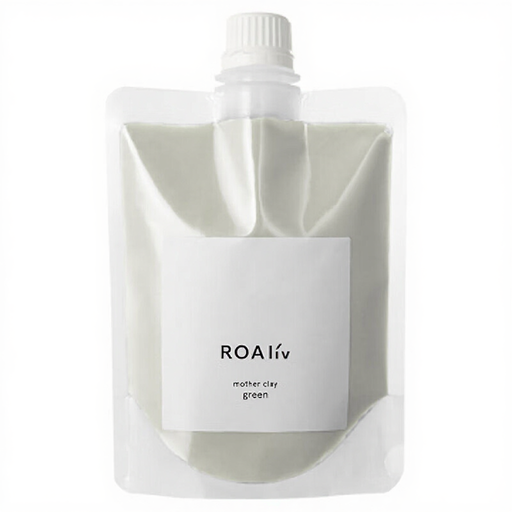
Why it suits this profile: The generous 240-gram size is practical if you want to use a clay mask regularly or apply it only to the T-zone. The product information lists kaolin, bentonite and illite as the types of clay used.
The packaging states a short application time of around 5 minutes and recommends using it 2 to 3 times a week. This means you won’t need to leave the mask on unnecessarily long.
240 grams; suitable for the face and, according to the product description, also for the neck and décolletage.
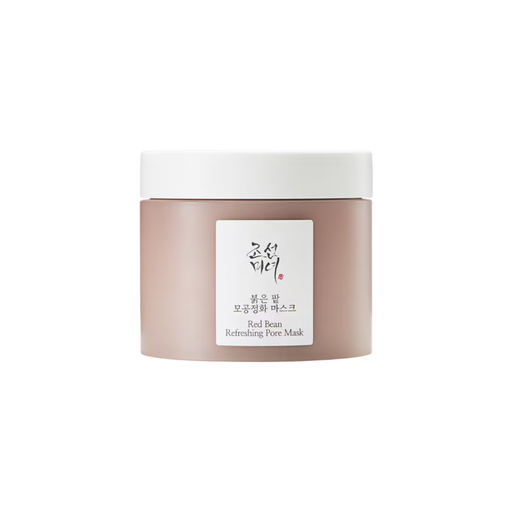
Why it suits this profile: This Korean face mask formula combines kaolin with red bean extract and powder. It is a good fit for anyone looking to combine cleansing with a more comfortable feeling on the skin.
The instructions limit the treatment to 5 to 10 minutes and recommend rinsing with lukewarm water. The formula does not list acids such as salicylic acid or glycolic acid.
140 ml; tube packaging; according to the product information, vegan and paraben-free.
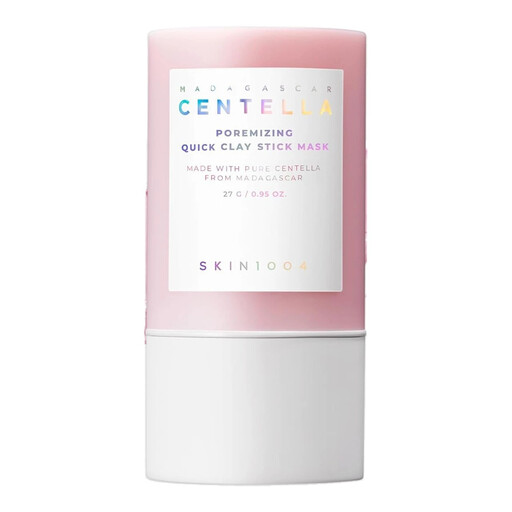
Why it suits this profile: The stick format makes targeted application easy, for example on the nose, chin and forehead. The formula lists kaolin, bentonite, illite and montmorillonite.
You don’t need to cover your whole face when only the T-zone is oilier. The instructions recommend 3 to 5 minutes and advise closing the stick securely after use.
Direct application without using your hands; 27 grams; several types of clay in the formula.
A mud mask for the face can be particularly useful on shiny areas. If you also have dry cheeks, targeted treatment is often more practical than applying a mask all over your face. For an exfoliating mask for oily skin, you can view the full range.
We have compiled a complete, up-to-date list of products that fully meet these strict selection criteria and the applicable European safety requirements.
This depends on the formula and how your skin reacts. Many products recommend using them once or twice a week; some suggest two to three times. It is best to start once a week and only increase frequency if your skin remains comfortable.
Clay can absorb excess sebum and dirt from the skin’s surface, which may make blackheads appear temporarily less visible. It does not always remove every blocked pore. A product containing salicylic acid may be another option, but do not combine it without careful consideration with other exfoliating products.
Use the shelf life, PAO symbol and instructions on the packaging as your guide. Close jars and sticks immediately after use and store them somewhere cool and dry, away from direct sunlight. Has the scent, colour or texture changed? Do not continue using the product.
