If the main priority is making your voice heard online, choose a personal USB headset with a connection, microphone and mute control that suit your computer and the way you work. If you also need to hear people in the classroom, compare mono and stereo models. If several people in the room need to speak online, consider shared room audio. Always check the exact model: connections, mono or stereo sound, and features can vary.
Who is this for?
Teacher or team member speaking themselves
You’re joining from a computer in the classroom and want to make your voice heard and mute quickly when needed. An adjustable microphone and easy-to-reach controls may be important. Logitech describes inline controls on models including the H390 and 960.
Participant who needs to hear the classroom
You’re following the online participants but also want to respond directly to people sitting near you. Compare mono and stereo models; Jabra and Poly offer different versions within their product ranges.
Organiser with several people speaking in the room
You need to decide whether a personal headset is enough or whether remote participants need to hear several people in the classroom. Microsoft describes room audio in Teams as a separate option.
What should you look for?
Personal USB headset, stereo
Choose this if: the main priority is making your voice heard online and you want to listen to the meeting through both earcups.
Bear in mind: you may not hear people sitting near you as clearly. A microphone close to you isn’t designed to pick up everyone in the classroom.
Personal USB headset, mono
Choose this if: you’re speaking online and want to keep one ear free to hear people in the classroom.
Bear in mind: check that the exact model is mono. A mono headset won’t automatically pick up the voices of other people in the room.
Shared room audio
Choose this if: several people in the classroom need to speak directly to remote participants.
Bear in mind: check the microphone coverage and which audio devices are active. Using multiple devices can cause echo or feedback.
| What to consider |
What to look for when buying |
Who is this important for? |
| Making your own voice easy to hear |
Check the microphone and mute control on the exact model, then test the setup from your usual seat. |
If you’re speaking from the classroom, you’ll want online participants to hear you clearly and to be able to mute quickly. Around 25% of consumers put being heard clearly first. |
| Making several people audible online |
Decide who needs to speak and check that the microphone coverage suits the seating layout in the classroom. |
If colleagues or pupils also need to speak remotely, a personal headset may not be the right audio setup. Around 25% of consumers prioritise having several speakers. |
| Hearing both online and in-room audio |
Compare mono and stereo versions of the exact model, and think about how much contact you want to keep with people in the room. |
If you want to hear online participants and respond directly to people near you, the listening setup matters. Around 19% of consumers prioritise this combination. |
| Connection and controls |
Compare the available computer port with the full model name, and check which adapter is included and whether the meeting features you want are available. |
If you want a straightforward connection, make sure the plug and model suit your computer and meeting app. Around 19% of consumers make connection and controls their main priority. |
| Comfort and maintenance |
Check the adjustability and ear cushions. If the headset will be shared, see whether replacement parts are available for that exact model. |
Fit and maintenance matter for longer meetings or when several people use the headset. Around 12% of consumers prioritise these factors. |
Common mistakes
-
Buying a personal headset when everyone in the classroom needs to speak online
A headset microphone is designed to pick up the wearer’s voice. Microsoft Teams offers room audio as a separate audio source.
Before you buy, decide who needs to be heard remotely and test the chosen setup from the seats in the room.
You may also need a separate room-audio solution if several people need to speak.
-
Confusing microphone noise reduction with blocking sound from your own ears
Noise reduction in the microphone signal doesn’t tell you how much classroom noise you’ll still hear yourself.
Assess the microphone and your listening experience separately. Compare mono and stereo based on how much contact you want to keep with the room.
-
Assuming every version in a product range is interchangeable
USB connections, mono and stereo models, and Teams or UC versions can vary within the same product range.
Compare the full model name, connection and version with the computer and meeting app you plan to use with the headset.
The wrong connection may mean you need a different version or an adapter.
Brands worth comparing
Logitech
The H390 and 960 are wired models worth comparing for personal computer use. Zone Learn is a separate range that Logitech describes as being for pupils and use in schools.
- Logitech lists inline controls for the H390 and 960, and replaceable cables and ear cushions for Zone Learn.
- Check the plug and version separately. Manufacturer claims about sound quality and comfort aren’t independent test results.
Jabra
According to Jabra, the Evolve2 30 SE range includes mono and stereo versions, as well as separate Teams and UC versions.
- Jabra describes this product range as having two microphones and soft ear cushions.
- Check the full model version and connection. Claims about noise reduction and wearing comfort aren’t independent test results for classroom use.
Poly
According to HP’s product specifications, the Blackwire 3320 version 8X220AA is a wired stereo headset for personal use.
- For this exact version, HP lists USB-C and a permanently attached USB-A adapter, along with mute and volume buttons and Teams certification.
- This is a stereo version. If you want to keep one ear free, compare an actual mono version. Performance descriptions are manufacturer claims.
EPOS
The ADAPT 100 II series is worth considering if you’re looking for a choice of wired connections and mono or stereo models.
- Microsoft lists USB-A, USB-C and 3.5mm options in the series, as well as Teams-certified versions.
- These options apply to the series as a whole. Check the full model name to confirm which connection the version you’ve chosen has.
Trust
The Ayda 25088 is a personal USB headset worth comparing if on-ear controls are important to you.
- Trust lists on-ear volume controls, a microphone that mutes when flipped up, and a 1.8-metre cable.
- Check the exact plug and the adapter included. Trust’s comfort claims aren’t based on an independent fit test.
Joybuy products
These personal headsets are worth considering for computer meetings. Check the connection and features you need for each model.
 No image available
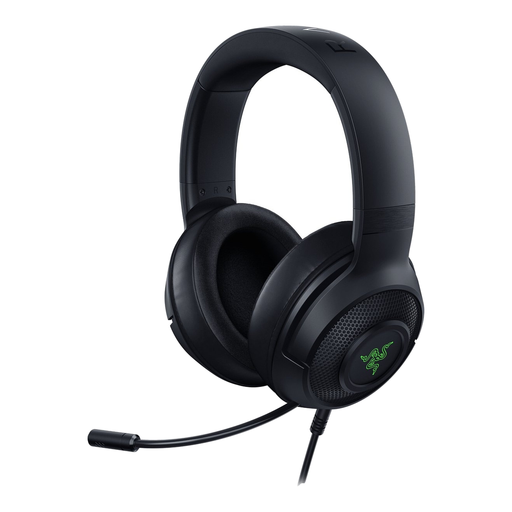
Razer Kraken V3 X headset, black
Worth considering if you’re looking for a personal headset for online calls.
The product name specifies the colour black.
View at Joybuy
 No image available
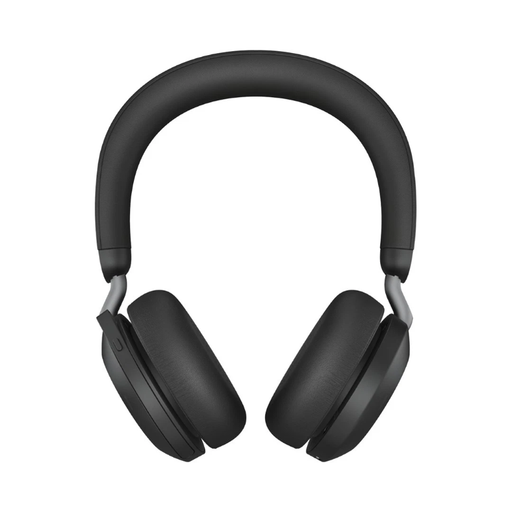
Jabra Evolve2 75 headset
Worth comparing for personal use during online meetings.
Check the connection and version before pairing the model with your computer and meeting app.
View at Joybuy
 No image available
Logitech PC 960 USB headset
Worth considering if you’re looking for a USB headset for computer meetings.
The product name specifies a USB headset. Check the connection on the version you’re considering to make sure it suits your computer.
View at Joybuy
 No image available
Logitech H340 USB headset, black, wired
Worth comparing if you’re looking for a wired headset for online calls.
The product name specifies USB, black and wired.
View at Joybuy
 No image available
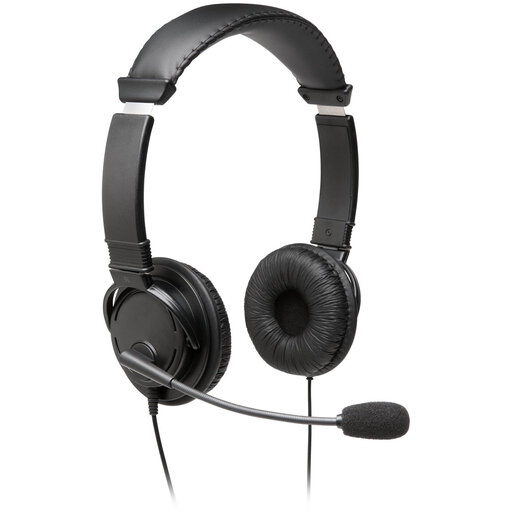
Kingston USB Hi-Fi headphones with microphone
Worth considering if you’re looking for a headset with a microphone for online meetings.
The product name specifies USB and a microphone.
View at Joybuy
Frequently asked questions
How do you set up a headset for a Teams meeting?
Connect the appropriate USB model, then select the connected microphone and speaker in Teams before joining. The options available may depend on your meeting or IT settings.
Can a noise-cancelling headset help in a noisy classroom?
Noise reduction in a headset microphone or Teams setting focuses on the sound online participants hear through your microphone. It doesn’t prove that you won’t hear noise from the classroom or that other people will be picked up clearly. Test the setup where you’ll be taking the meeting.
What if several computers in the same classroom join the meeting?
Agree which audio devices will be active. Microsoft warns that several active microphones in meeting-room setups can cause echo and feedback. The right settings depend on the setup being used.
Is Teams certification a legal requirement for a headset?
Teams certification is a product and platform feature, not a licence to use a headset. The Dutch government explains that CE marking is mandatory for product groups covered by the requirement. Don’t infer product compliance from Teams certification alone.
Can you record a classroom meeting without permission?
No. Buying a headset doesn’t give you permission to record people. The Dutch Data Protection Authority says that schools need policies covering matters such as filming pupils, providing information and storing recordings. Discuss any specific recording with the institution.


