What should you look for when buying?
First decide what matters most to you: making your own voice clear, staying in touch with pupils, freedom to move, wearing comfort or easy controls. Then check the connection and test the headset with the teaching app you use.
| What to consider |
What should you look for? |
Who is this important for? |
| Clarity of your voice |
Test the microphone with background noise and check your teaching app’s settings. |
If I’m teaching in a noisy classroom, I want online participants to be able to follow what I’m saying. Around 29% of consumers prioritise clarity of their own voice. |
| Keeping in touch with the class |
Check whether the model is mono, and separately assess how questions from the classroom can be heard online. |
If there are pupils in the room, I want to notice their questions while staying in touch with online participants. Around 23% of consumers prioritise interaction with the class in the room. |
| Freedom to move |
Compare a wired connection with the connection, adapter and charging requirements of the exact wireless model. |
If I walk over to a board or demonstration area during a lesson, I don’t want to be tethered by a cable. Around 18% of consumers prioritise freedom to move. |
| Wearing comfort |
Consider the fit, headband and ear cushions; also check whether mono or stereo suits how much you need to hear in the room. |
For a longer explanation, I want a comfortable headset that suits how much attention I need to pay to the room. Around 18% of consumers prioritise wearing comfort. |
| Connection and controls |
Compare USB-A or USB-C with your computer’s ports, and test the mute function and selected microphone in your teaching app. |
If I want to connect or mute quickly before or during a lesson, I want the controls to be easy to find. Around 12% of consumers prioritise easy connection and controls. |
Headsets at Joybuy
This selection includes wired USB headsets for use in one place and wireless models for greater freedom to move. Check the precise connection and version of each model.
 No image available
Logitech PC 960 USB headset
This wired USB model is designed for use at a fixed teaching station with a computer that has a USB port.
Joybuy
 No image available
Logitech H340 USB headset, black and wired
This wired USB headset is an option for teaching from a fixed position; check that the connection is compatible with your computer.
Joybuy
 No image available
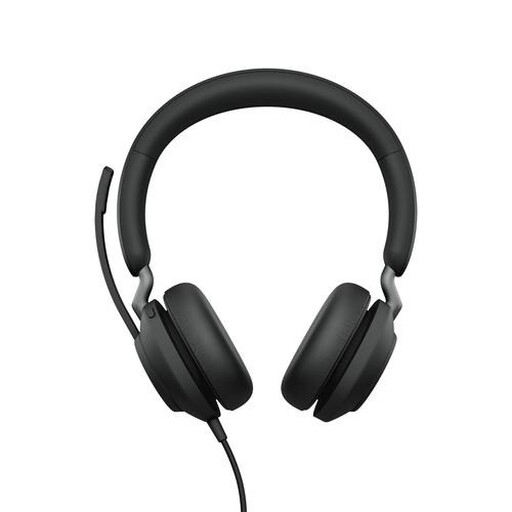
Jabra Evolve2 65 USB-A Black MS Mono
The mono model may suit you if you want to keep one ear free to hear what’s happening in the room. Check that the USB-A version connects to your teaching computer.
Joybuy
 No image available
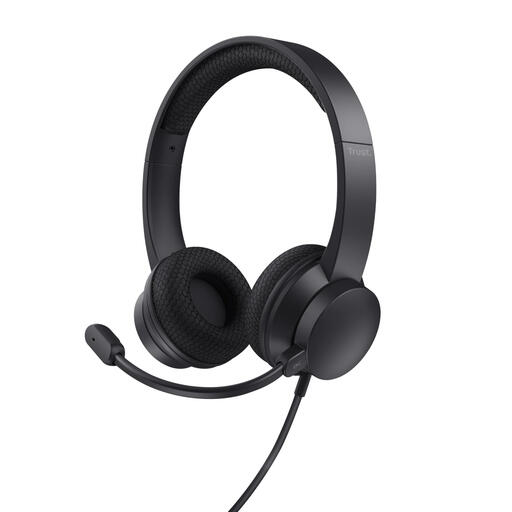
Trust Ayda wired headset with USB Type-A
This wired USB Type-A model may suit a teaching computer with that port. According to the product description, the microphone boom flips up to mute.
Joybuy
 No image available
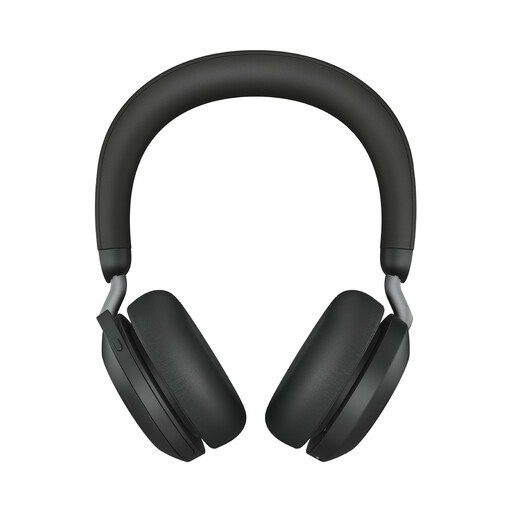
Jabra Evolve2 75 USB-A MS Teams, black
This wireless model may suit you if you move around while teaching and have checked the connection with your teaching computer. The product description advises against using it when awareness of your surroundings is essential, so bear this in mind if you need to keep track of the class.
Joybuy
Frequently asked questions
Can your headset pick up questions from pupils at the back of the classroom?
Don’t assume it will. As well as assessing the microphone near your mouth, check how questions from different parts of the classroom sound online. Shure discusses separate classroom microphones for distance learning; that advice doesn’t guarantee the same results in your room.
How do you set up your headset in Teams before a lesson?
Select your headset as the microphone and speaker in Teams, make a test call and check the mute function. Listen to how the microphone sounds in your teaching environment; the settings available may also depend on your organisation’s policies.
How do you look after a headset used in the classroom?
Before a session, check the cable or battery level and make sure the microphone boom and ear cushions are in good condition. Follow the instructions for the exact model when cleaning, replacing parts and charging it.
What rights do you have when buying online in the Netherlands?
When a consumer buys online, there is generally a statutory 14-day cooling-off period after delivery, subject to legal exceptions. Statutory guarantee rights also apply: if a product breaks sooner than you could reasonably expect under normal use, the seller must offer an appropriate solution. The Authority for Consumers and Markets (ACM) explains these consumer rules. Also check whether the educational institution is buying as a consumer or as a business.
Can you record an online lesson with pupils without asking?
Don’t assume you’re free to record a lesson. According to the Dutch Data Protection Authority, the educational institution must determine the purpose and legal basis for online video calls, and put policies and information arrangements in place for recordings. As a rule, pupils or students must not appear in a lesson recording; exceptions require a well-founded need and an explanation in advance. This concerns the use and recording of the lesson, not a required headset feature.


