Choose a portable headset with a built-in voice amplifier if you want to speak hands-free without an existing sound system; a headset with a receiver is more suitable for a classroom with a compatible PA system. MONACOR describes portable amplifiers with a headband microphone, while the Shure BLX14/PGA31 comes with a receiver but no speaker. Also consider contributions from pupils: Phonak describes additional microphones for this purpose as part of a more extensive system. Before buying, check the connections, everything included in the set and, for wireless use, the frequency variant.
Who is a headset microphone suitable for?
Discussion leader who wants to be heard
You read aloud, ask questions and want to speak hands-free without constantly raising your voice. First, consider where and for whom your voice is difficult to hear; amplification won’t offer the same benefits in every classroom. The Arbocatalogus Voortgezet Onderwijs explains how noise or poor acoustics can make speaking more tiring.
Teacher who wants pupils’ contributions to be heard
You lead a discussion with several speakers and need more than just your own voice amplified. Consider how answers from different parts of the room will reach the audience, and whether hearing support is needed. Phonak describes pupil microphones as part of the Roger education system.
Teacher who moves between classrooms
You want to take a complete, portable set with you or connect to equipment already available at school. That difference will determine whether you need a built-in speaker or a receiver with a suitable connection. MONACOR and Shure describe different solutions for these situations.
What should you look for when choosing?
Portable headset amplifier
Suitable when: you move between classrooms and there isn’t a suitable sound system available. According to MONACOR, the WAP-8 comes with a headband microphone and amplifier.
Trade-off: the cable runs from the headset to the amplifier you carry. Amplifying the discussion leader’s voice won’t automatically make quieter contributions from pupils easier to hear.
Wireless headset with receiver
Suitable when: the classroom already has an amplifier and speakers, and you want more freedom to move around during the discussion. According to Shure, the Shure BLX14/PGA31 set consists of a headset, bodypack and receiver.
Trade-off: the receiver isn’t a speaker. Check that it connects to the existing sound system, and confirm the exact frequency variant; wireless use doesn’t automatically mean interference-free use.
Whole-classroom system
Suitable when: pupils regularly speak from different parts of the room, or the school is also looking into hearing support. Phonak describes a system in which teacher microphones, Pass-around microphones and DigiMaster speakers work together.
Trade-off: this isn’t a solution you can simply replace with a single standalone headset. Check which microphones, speakers and any receivers you’ll need.
Start by deciding whether you only need to amplify the discussion leader or also want pupils’ contributions to be heard around the room. Then compare the equipment you’ll need with what’s already available.
| Point to consider |
What to look for when buying |
Who is this important for? |
| How clearly the discussion leader can be heard |
Test speech at a moderate volume from different seats. Pay attention to microphone and speaker placement. |
When I read aloud and ask questions, I want to remain easy to hear without straining my voice. Around 40% of consumers say that hearing the discussion leader clearly is their top priority. |
| Pupils’ contributions |
Check whether pupil microphones are needed and which components work with the system you choose. |
During a question-and-answer discussion, I also want pupils’ quieter contributions to be easy to hear. Around 30% of consumers prioritise being able to hear pupils clearly. |
| A working set for the classroom |
Check the connections available and what comes with the headset. For wireless use, also check the frequency variant. |
If I want to use the set in different classrooms, I need to know what equipment is already available and what else I’ll need. Around 20% of consumers mainly value a set that can be used in their own classroom. |
| Comfort and ease of use |
Check that the headband and microphone boom can be adjusted properly, and that the controls are easy to use during the discussion. |
When I’m speaking for longer and want to turn pages or gesture at the same time, I want to wear a headset rather than hold a handheld microphone. Around 10% of consumers prioritise comfort and ease of use. |
Common buying pitfalls
-
Assuming a headset is a complete sound system
A wireless set with a receiver doesn’t automatically include a speaker for the classroom. MONACOR describes the WAP-8 as an amplifier with a built-in speaker.
First, take stock of the existing PA system and connections. Then compare what’s in the box with the components you need.
If your set doesn’t include a suitable speaker or amplifier, you may need additional equipment or a connection cable.
-
Amplifying only the discussion leader
A microphone for the teacher won’t automatically amplify pupils’ voices. Phonak describes pupil microphones as additional components of the Roger system.
Try a question-and-answer session with speakers in different parts of the room. Check whether a pupil microphone is needed and how it works with the system.
To amplify pupils’ contributions, you may need an additional compatible microphone or a more extensive system.
-
Assuming every wireless frequency variant can be used licence-free
The Rijksinspectie Digitale Infrastructuur distinguishes between frequency bands that can be used without a licence under certain conditions and bands that require a licence.
Before using the set, check its exact frequency variant against the current conditions published by the Rijksinspectie Digitale Infrastructuur.
-
Relying on the maximum volume or stated battery life
A high volume can distort the voice, and stated battery life isn’t a measurement taken in your classroom.
Test at a moderate volume from different seats, and don’t hold the microphone too close to or point it at the speaker. Also check the power supply and what’s included.
MONACOR states that the WAP-5 is supplied without AA batteries or suitable rechargeable batteries.
Brands to consider
MONACOR
MONACOR describes the WAP-8 and WAP-5 as portable voice amplifiers with a headband microphone. They may be worth considering if your classroom doesn’t have a suitable PA system.
- The product specifications state that the WAP-8 has a built-in rechargeable battery and an additional 3.5 mm line input.
- The WAP-5 requires six AA batteries or suitable rechargeable batteries, which aren’t included as standard. Product specifications don’t measure performance during a book discussion.
Shure
According to Shure, the European BLX14/PGA31 is a wireless headset set with a bodypack and receiver, for use with a compatible amplifier.
- Shure describes the PGA31 as having an adjustable microphone boom and a cardioid pickup pattern.
- The BLX set doesn’t include a classroom speaker. Check the exact frequency variant and the connection to the local PA system.
Phonak
Phonak describes Roger for Education and Roger SoundField as system options for situations where pupils’ contributions and hearing support also need to be considered.
- Phonak describes how a teacher microphone, Pass-around microphones and DigiMaster speakers work together.
- A standalone Roger microphone or headset isn’t necessarily a complete system. Check which components and any hearing aid receivers you’ll need.
Headsets and headphones at Joybuy
This selection includes headsets and headphones with microphones. Check that the connection and model you choose are compatible with the equipment you want to use to amplify your book discussion; a headphone with a microphone isn’t automatically a complete sound system for a classroom.
 No image available
Sennheiser MOMENTUM 4 Wireless
Could suit you if you’re looking for wireless over-ear headphones with microphones for calls; check separately how you can connect this model to the classroom sound system.
Wireless, over-ear, noise cancelling, four microphones, up to 60 hours of battery life and fast charging; black.
View at Joybuy
 No image available
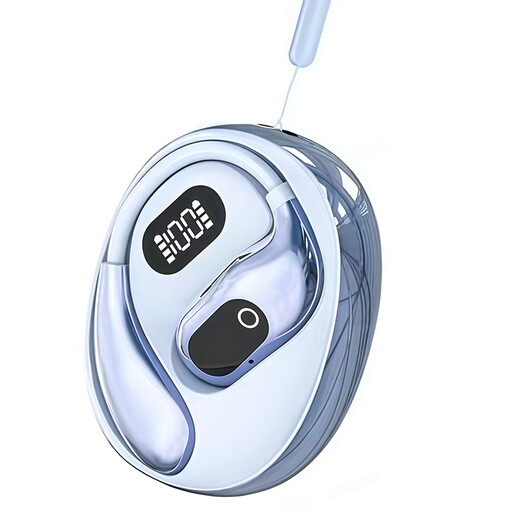
OWS on-ear headphones for simultaneous interpretation, with condenser microphone
Could suit you if you’re looking for an on-ear model with a built-in microphone; check whether the advertised translation and recording features suit your needs.
Built-in condenser microphone, simultaneous interpretation in 144 languages, on-site recording and Type-C charging case; blue.
View at Joybuy
 No image available
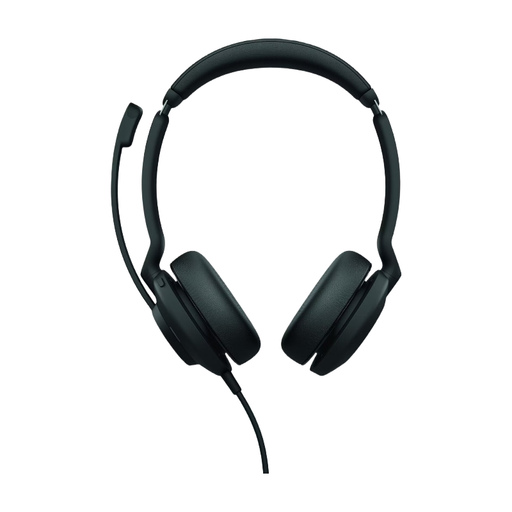
Jabra Evolve2 30 SE
Could suit you if you’re looking for a headset with microphones for calls through a connected device. Check that the connection is compatible with the device and audio equipment you want to use.
Headset with integrated microphones.
View at Joybuy
 No image available
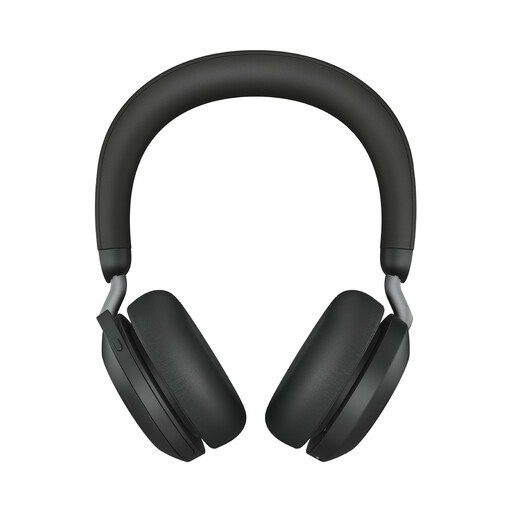
Jabra Evolve2 75 USB-A MS Teams, black
Could suit you if you’re looking for a headset for calls through a connected device; check the connection and compatibility with the equipment in your classroom.
USB-A; MS Teams; black.
View at Joybuy
 No image available
Sony WH-CH720N
Could suit you if you’re looking for wireless Bluetooth headphones with a microphone for calls; check that they’ll work with the equipment you’re using for the book discussion.
Noise cancelling; up to 35 hours of battery life and fast charging; black.
View at Joybuy
Frequently asked questions
Do I need a speaker as well as a wireless headset?
It depends on the set and the equipment in your classroom. Shure lists a receiver, bodypack and headset for the BLX14/PGA31, but no classroom speaker; check whether the receiver can connect to the existing sound system. According to MONACOR, the WAP-8 has a built-in speaker.
How can I make sure pupils can be heard too?
A microphone for the discussion leader won’t automatically amplify pupils’ voices. Phonak describes Pass-around microphones that work with a teacher microphone and DigiMaster speakers as part of the Roger education system. Check which components you need, and show pupils how to pass the microphone around.
Can I use a wireless headset microphone in the Netherlands without a licence?
It depends on the exact transmission frequency and the conditions that apply. The Rijksinspectie Digitale Infrastructuur publishes frequency bands that are licence-exempt under certain conditions, and states that some other bands require a licence. Check the set’s frequency variant against the latest RDI information.
How do I set up a portable voice amplifier?
Start at a moderate volume and test speech from different seats. Don’t hold the microphone too close to or point it at the speaker; the MONACOR manual warns against this positioning. Clean the equipment with a soft, dry cloth, following the manual.
What costs and warranty rights should I check?
First, check whether batteries are included: MONACOR states that the WAP-5 is supplied without batteries or rechargeable AA batteries. In the Netherlands, a product bought by a consumer must be of satisfactory quality. According to the Dutch government, there is no fixed statutory warranty period; if a product is faulty, you can contact the seller.


