
Pupil recording their own diary
Usually records one voice and needs a clip-on microphone that’s compatible with the recording device. Shure and RØDE describe wired models with a TRRS connection.


A wired lavalier microphone is a good choice for one speaker in a fixed position, provided it’s compatible with the recording device. For two or more speakers, or greater freedom to move around, a complete wireless kit may be more practical. Before recording, check the connection and what’s included in the kit, then make a test recording to confirm that your chosen app is using the external microphone. If you’re recording identifiable pupils’ voices, the school must also handle the processing of those audio recordings carefully.
Usually records one voice and needs a clip-on microphone that’s compatible with the recording device. Shure and RØDE describe wired models with a TRRS connection.
Wants to record both speakers and needs to choose between two connected wired microphones and a complete wireless kit with two transmitters. IK Multimedia and RØDE describe options for this type of recording.
Wants to test the connections and recording setup in advance, and to handle identifiable pupils’ voices carefully. The Dutch Data Protection Authority considers identifiable audio recordings to be personal data.
Suitable when: you’re mainly recording one pupil in a fixed position and the device has a compatible TRRS connection or suitable adapter.
Trade-off: you don’t need to charge a wireless transmitter, but the cable limits how far you can move.
Suitable when: you want to record a conversation using a compatible device and two iRig Mic Lav microphones.
Trade-off: check the connections and test both microphones together; take care with the cables when speakers take turns.
Suitable when: each speaker needs a clip-on microphone, or you want to record without microphone cables.
Trade-off: check that the kit includes the right receiver and that your chosen app uses external audio; the equipment will need charging.
| What to consider | What to check before buying | Who is this important to? |
|---|---|---|
| Clear speech in the classroom | Check the clip and any windscreen, then make a test recording in the intended location to hear how much background noise is picked up. | If I’m recording one pupil in a fixed position, I want to hear their voice clearly without classroom noise taking over. Around 36% of consumers prioritise clear speech from one speaker above all else. |
| Connection and recording app | Check the connection on the exact device, whether an adapter is needed and whether your chosen app uses the external microphone. | If I’m using a phone, tablet or school device, I want to know before the lesson whether the microphone and app will work together. Around 29% of consumers put compatibility first. |
| Two voices and freedom to move | Check how many microphones or transmitters are included, the type of receiver and how both voices will be recorded. | If I’m recording a conversation between pupils or need room to move, I don’t want to keep moving the same microphone around. Around 21% of consumers consider this their most important factor. |
| Recording time and what you’ll need | Check the power requirements for the exact model, its battery life per charge and which adapters or other parts you’ll need. | If I want to plan a recording without interruptions, I need to know in advance what must be charged and which parts I’ll need. Around 14% of consumers prioritise power and accessories above all else. |
The Shure MVL and RØDE smartLav+ use TRRS. A plug that fits the socket isn’t necessarily compatible with the connection or adapter.
Check the device input and test the complete setup with your recording app before using the microphone in the classroom. Shure specifies CTIA compatibility for the relevant adapter.
Kit configurations can differ in the number of transmitters and receivers. RØDE distinguishes between the Wireless Micro with one smartphone receiver and the Wireless Micro Camera Kit with camera and smartphone receivers.
Check the exact model name, the number of transmitters and which receivers are included in the version on offer.
According to the Dutch Data Protection Authority, identifiable audio recordings are personal data. Schools have obligations to inform pupils and parents and handle personal data carefully.
Agree in advance who will be recorded, for what purpose, who will receive the file and when it will be deleted.
The Shure MVL is a wired 3.5 mm TRRS lavalier microphone for a compatible phone or tablet.
The wired smartLav+ and wireless Wireless Micro Camera Kit are different options for mobile recording and conversations.
The iRig Mic Lav is a wired TRRS option for a compatible mobile device.
The wired BY-M1 and wireless mini 2 are separate product lines.
The DJI Mic Mini is a wireless option, and complete kits with two transmitters and a receiver are available.
These products are wireless microphone options for recording with freedom to move or with multiple speakers. Check the connections and what’s included in each version.
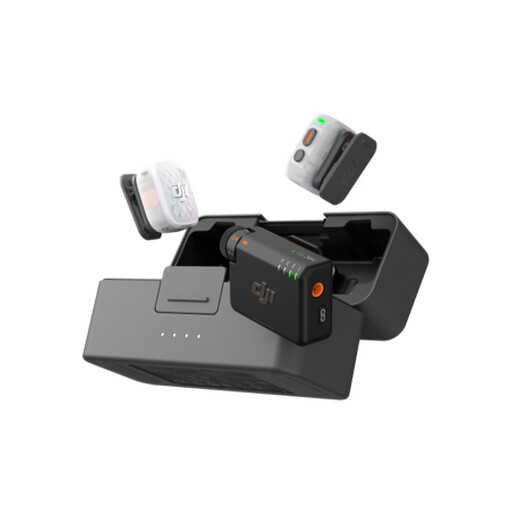 Image unavailable
Worth considering for a conversation or a recording where you need room to move.
Configuration: 2 TX + 1 RX and a charging case.
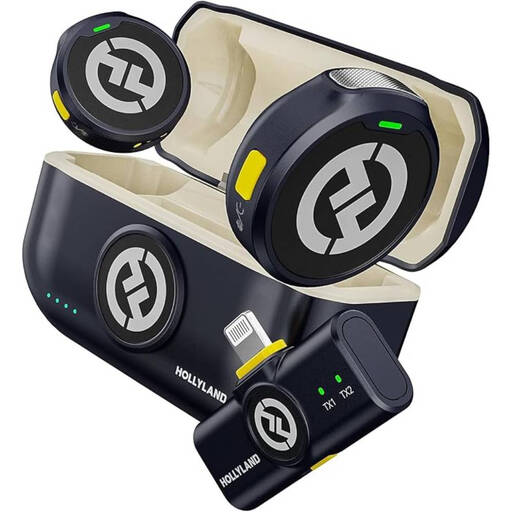 Image unavailable
A wireless option for recordings where the speaker needs room to move.
Check how many transmitters are included and which type of receiver comes with your chosen version.
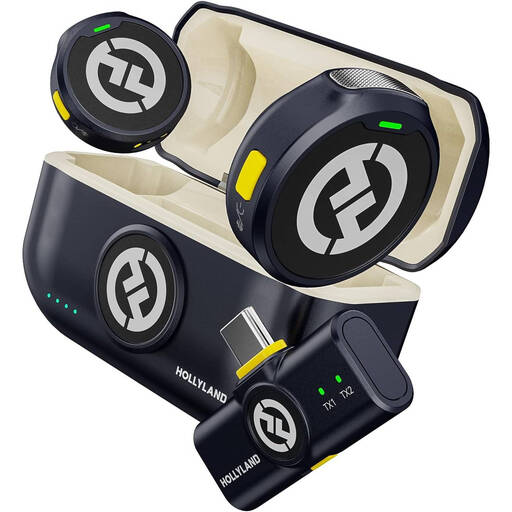 Image unavailable
A wireless microphone option for a device with USB-C.
Check that your chosen recording app uses external audio through the receiver.
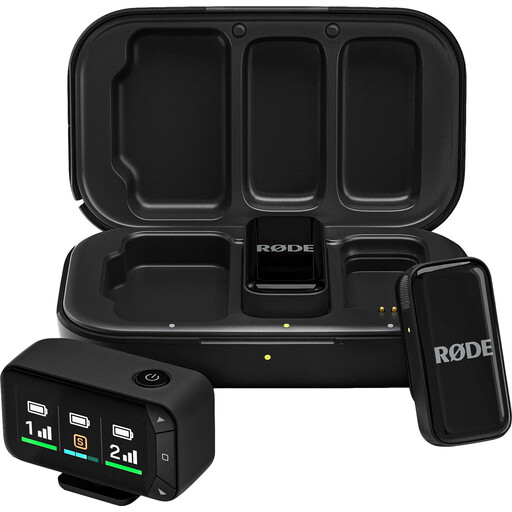 Image unavailable
A kit worth considering for conversations between speakers or recordings that involve movement.
The kit includes two microphones, a camera receiver, a smartphone receiver and a charging case. Check that the receivers are compatible with your recording device.
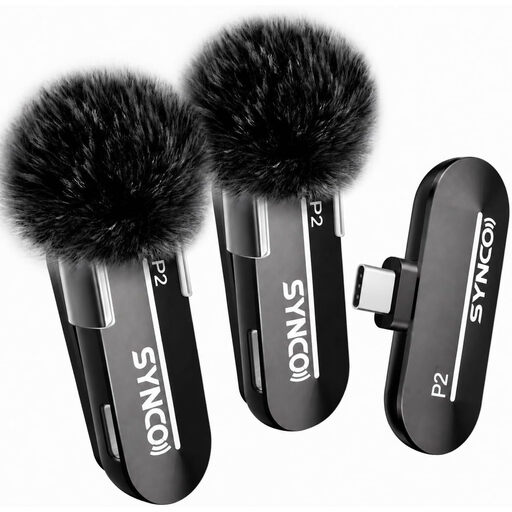 Image unavailable
A USB-C wireless microphone option for a compatible recording device.
Before use, check what’s included in the kit and whether the recording app recognises external audio.
Make a short recording with the app you plan to use, then listen back before recording the audio diary. Test the adapter too, if you’re using one. RØDE warns that the default camera app on certain Motorola phones may not support external USB and wireless microphones.
It depends on the model and how you use it. Check the remaining charge in the transmitter and receiver, and distinguish between battery life per charge and a stated total battery life with the charging case. DJI gives the Mic Mini transmitter’s battery life under specific test conditions.
According to the Dutch Data Protection Authority, an audio recording that makes someone identifiable is personal data. If a school processes such recordings, it needs a lawful basis under the GDPR, and must inform pupils and parents and protect the data. Consent is one possible lawful basis; the appropriate basis depends on the purpose and how the recording is used.
According to the Dutch Data Protection Authority, the GDPR doesn’t set a general fixed retention period for audio diaries. The school must decide on an appropriate period for the purpose and must not keep personal data for longer than necessary.