
Vandaag of morgen in huis

Kwaliteit gegarandeerd

Welkomstaanbiedingen ontgrendelen: GRATIS bezorging | Tot 80% korting | Gratis 30 dagen JoyPlus-proefperiode
Download de app
A fresh citrus scent can make a product appealing, but fragrance alone says little about whether it is suitable. When choosing citrus personal care and cleaning products, the main consideration is what you intend to use them for: do you want to cleanse an oily scalp, care for dandruff, wash your face or tackle stubborn kitchen grime?
The most common wrong purchases happen because consumers:
A citrus scent may come from perfume, lemon oil, orange oil or other fragrance substances. That does not automatically mean the product is suitable for sensitive skin, every hair type or every surface.
A citrus shampoo for everyday use is different from an anti-dandruff citrus shampoo or a shampoo for oily hair. So check the product category and the stated application.
These differences are relevant when it comes to hair care:
According to Head & Shoulders’ product description, the Citrus Fresh range contains piroctone olamine, among other ingredients. The stated effect against dandruff, itching and excess sebum is a claim made by the brand; always check the packaging and instructions for use.
The same applies to facial care. A citrus facial cleanser may have a fresh fragrance, but you should also look at properties such as perfume, sulphates, soap, silicones and the recommended skin-type information. According to its product description, Freshly Cosmetics Rose Quartz Facial Cleanser is described as vegan and free from sulphates, synthetic surfactants, soap, silicones and PEG. Check the current ingredients list when purchasing, as formulas and packaging may change.
A citrus fragrance does not mean that a product is made entirely from citrus ingredients. Shampoos and cleaning products may contain fragrance substances such as limonene, linalool or citronellol. These substances are permitted under the applicable cosmetics and detergents regulations, but may cause sensitivity in some people.
When buying cosmetics, check:
If you are specifically looking for a vegan facial cleanser, it is worth checking both the product listing and the packaging. A vegan claim must apply to the product as offered, not just to one ingredient.
For cleaning products, the type of surfactants, fragrances and any preservatives are also relevant. Wear the recommended protective equipment and never mix cleaning products without clear instructions.
For everyday maintenance, a citrus all-purpose cleaner is often more practical than an abrasive cleaner. For baked-on grease or stubborn stains, a lemon scouring cream may be more suitable, but abrasive particles can dull delicate surfaces.
Always check:
Citrus cleaning vinegar is often used for household cleaning. According to the product information, Vintastic Cleaning Vinegar Citrus has a capacity of 1 litre and is intended for cleaning tasks. Do not use vinegar casually on marble, limestone or other acid-sensitive materials. Follow the label and do not use cleaning vinegar as a food product unless it is expressly intended for that purpose.
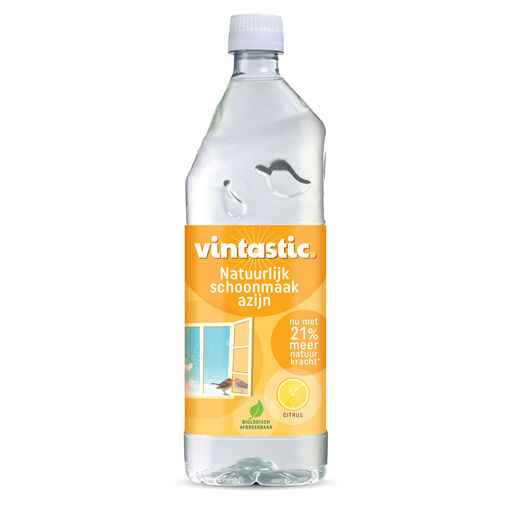
Why it suits this profile: A straightforward choice for households looking for one litre of citrus cleaning vinegar for a range of general cleaning tasks.
The quantity and product type are clearly stated. However, check the label before use and avoid acid-sensitive surfaces.
1 litre capacity; citrus variant; according to the product description, suitable for various cleaning tasks.
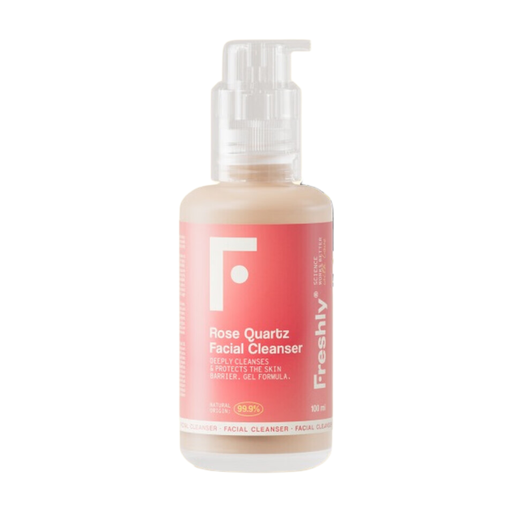
Why it suits this profile: A good fit for users who want to compare a vegan facial cleanser with a citrus fragrance and concise product specifications.
The product description states, among other things, that it is vegan and free from sulphates, soap, silicones and PEG. Check the ingredients list upon receipt.
100 ml capacity; citrus fragrance; according to the product information, 99.9% natural ingredients.
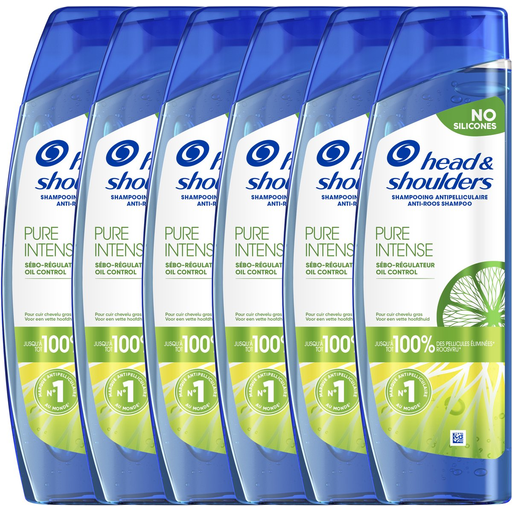
Why it suits this profile: Designed for users specifically looking for care for oily hair and an oily scalp combined with anti-dandruff care.
The product description mentions its use for oily hair, citrus and piroctone olamine. The claimed anti-dandruff effect comes from the manufacturer.
Citrus extract; pH-balanced formula according to the product description; pack of 6 x 250 ml.
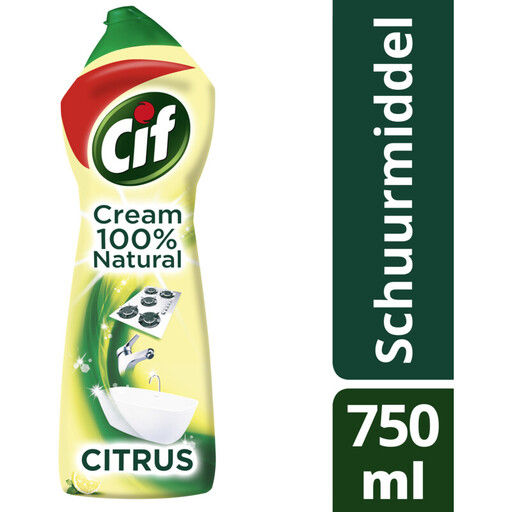
Why it suits this profile: A practical option for kitchens, bathrooms and other hard surfaces where grease, dirt or limescale needs to be tackled.
The listing describes the product as an abrasive cleaner and advises testing it on a small, inconspicuous area first.
Lemon variant; intended for stubborn dirt, grease and limescale; use with a damp cloth and rinse afterwards.
We have put together a complete, up-to-date list of products that fully meet these strict selection criteria and the applicable European safety regulations.
That depends on the product. According to the manufacturer, some shampoos are intended for everyday use, while an abrasive cleaner or concentrated cleaning product may be needed less often. Follow the dosage instructions and warnings on the packaging.
No. Acids can damage natural stone, marble, limestone and certain metals. Test a small area first and check the label. Only use the product for applications specified by the manufacturer.
Shelf life varies from product to product. Cosmetics may have a period-after-opening indication, while cleaning products may display a use-by date or batch information on the packaging. Store products as advised and close bottles securely after use.
