
Vandaag of morgen in huis

Kwaliteit gegarandeerd

Welkomstaanbiedingen ontgrendelen: GRATIS bezorging | Tot 80% korting | Gratis 30 dagen JoyPlus-proefperiode
Download de app
A glass of fresh-squeezed juice is a simple way to start the day. But the search for the right citrus juicer can be surprisingly complicated. The market is flooded with models promising everything from whisper-quiet motors to professional-grade results. Unfortunately, clever marketing and unclear specifications often lead to a purchase you'll later regret.
As a Product Recommendation Officer at Joybuy, I filter out the noise and give you practical advice. In this guide, we'll discuss the most common pitfalls and the specifications that truly matter, so you can choose a citrus juicer that fits your lifestyle and doesn't end up collecting dust in a cupboard after three months.
Before we look at specific models, it's important to recognise the common mistakes. Many people base their choice on the wrong features and end up with a clumsy or disappointing appliance.
To make a smart purchase, focus on the features that determine ease of use. These are the three most important points to check before buying a citrus juicer.
The choice of material affects the lifespan, hygiene, and appearance of your juicer.
The mechanism determines how much effort is required to juice and what the model is best suited for.
Two small details with a big impact on your daily experience.
Below is a selection of citrus juicers that score well on the above criteria, matched to different user profiles.
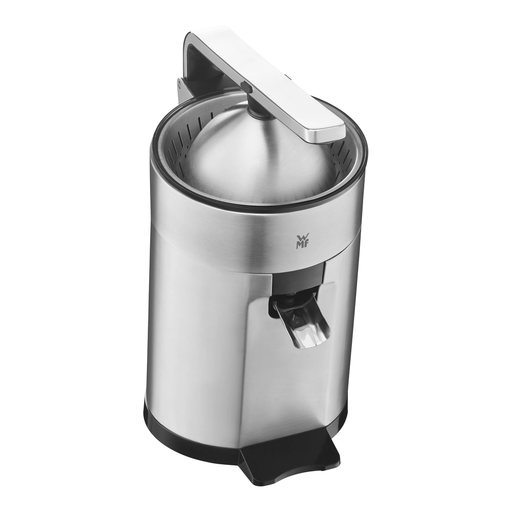
Why This Fits Their Persona: For those who juice daily or in large quantities, convenience and durability are crucial. This lever-arm citrus juicer makes juicing effortless, and its stainless steel housing is built for intensive use.
The robust stainless steel construction isn't just a 'look'—it's genuinely durable material. The lever provides efficient power transfer, making the 160W motor functional rather than just a marketing number.
Effortless juicing thanks to the ergonomic lever. The anti-drip spout and stainless steel filter ensure a clean and smooth experience.
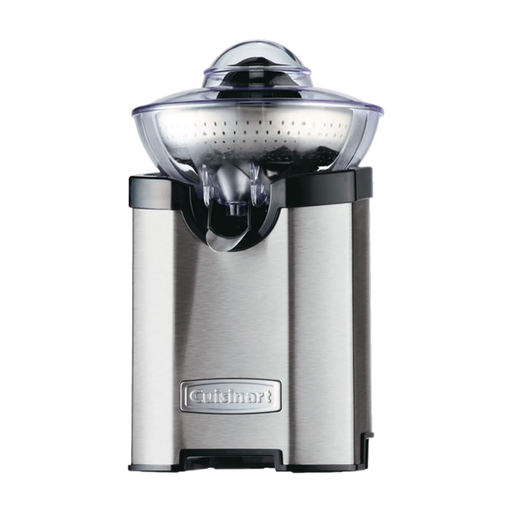
Why This Fits Their Persona: For families, every minute counts. This orange juicer combines a stylish stainless steel design with maximum convenience: it's fast, has a smart anti-drip stop, and features dishwasher-safe parts.
This model directly tackles the 'cleaning nightmare.' The removable parts can go straight into the dishwasher, lowering the barrier to using it, even on a busy morning.
The smart anti-drip system prevents messes. The long spout accommodates various glass sizes, from small to large.
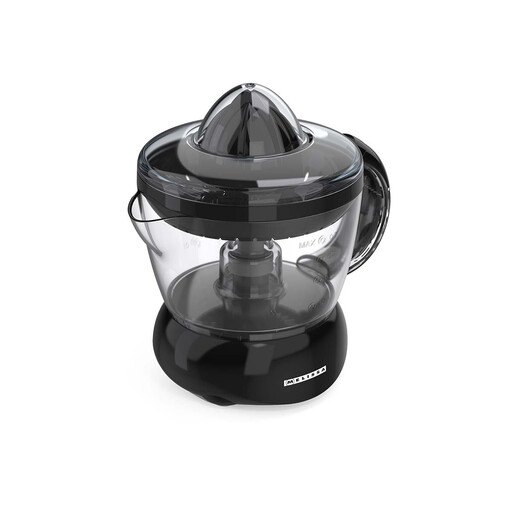
Why This Fits Their Persona: Not everyone needs a heavy-duty stainless steel machine. For an occasional glass of juice or a lemon squeezer for the kitchen, this compact and affordable model is a practical choice.
This model doesn't pretend to be more than it is. Its 40W motor is perfectly suited for its task. It's an honest, functional appliance without superfluous marketing claims.
The dual-rotation cone extracts maximum juice from the fruit. The model comes with two cones for both small and large citrus fruits.
We have compiled a complete, up-to-date list of products that fully meet these strict selection criteria and safety standards.
For normal household use, a power rating between 25 and 100 watts is more than sufficient. An efficiently designed electric citrus juicer doesn't need more to extract all the juice from a fruit. A higher wattage doesn't automatically mean a better result and can primarily produce more noise.
No, and this is an important point to check. On most modern juicers, the removable parts (like the cone, filter, and juice container) are dishwasher-safe. This makes cleaning significantly easier. The motor base, which houses the electronics, should never be placed in water or the dishwasher. Always consult the product description for specific instructions.
A lever-arm citrus juicer (also called a lever press) uses a mechanical lever to apply pressure. This means you barely have to push yourself. It's ideal if you have weaker hands, arthritis, or if you simply juice frequently and in large quantities. It ensures maximum juice yield with minimal effort and keeps your hands clean from sticky juice.
