
Vandaag of morgen in huis

Kwaliteit gegarandeerd

Welkomstaanbiedingen ontgrendelen: GRATIS bezorging | Tot 80% korting | Gratis 30 dagen JoyPlus-proefperiode
Download de app
On a warm day or with breakfast, few things are as refreshing as a cold glass of a citrus beverage. But the shelves are packed with options: from classic orange juice to sugar-free sodas and lemon-flavoured iced tea. The vast selection can make choosing difficult. Many packages promise healthy and natural contents, but the reality is often different. As a Product Recommendation Officer at Joybuy, I'm here to help you see through the marketing hype and make a choice that truly suits you.
Before you fill your shopping cart, it's wise to consider a few common pitfalls.
To avoid making the wrong choice, you can check for a few objective characteristics on the label. This way, you'll know exactly what you're bringing home.
The amount of sugar is a key point of attention. Look at the nutrition table for the line "of which sugars". This figure includes both naturally occurring fruit sugars and any added sugars. A drink with no added sugar can still be high in sugar. In a sugar-free soda, sugar is often replaced by sweeteners like sucralose or stevia. This information is always listed in the ingredients.
The product name gives an indication of the contents.
A glance at the ingredients list will tell you the exact percentage of lemon juice or other fruit.
Not every citrus drink is for the same moment. A glass of multivitamin juice is a popular start to the day. A refreshing lemon iced tea is ideal for the afternoon. For a moment of relaxation, there's classic Earl Grey tea with bergamot (a citrus fruit). And for a social drink, a citrus-infused wheat beer can be a surprisingly fresh choice.
To help you get started, we've highlighted some popular choices and matched them with different usage occasions and preferences.
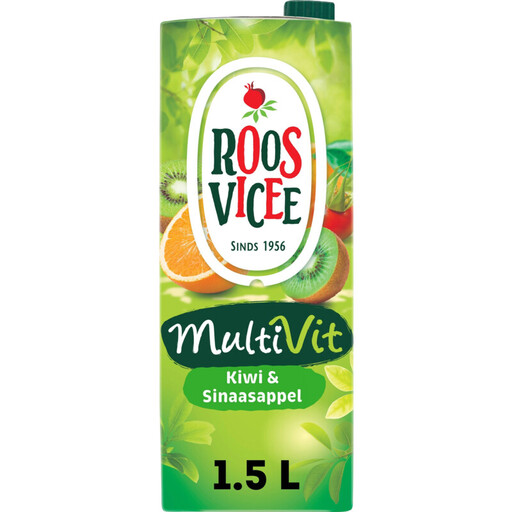
Why This Fits Their Persona: Ideal for families looking for a familiar and accessible flavour. The large 1.5-litre bottle is practical, and the addition of vitamins is a plus for many parents.
The label is clear: this is a fruit drink, not 100% juice. The ingredients list specifies a juice content of 25% and the presence of sugar, so you know exactly what you're buying.
Contains a source of 10 vitamins, including vitamin C. The combination of kiwi and orange is a well-known and beloved flavour for all ages.
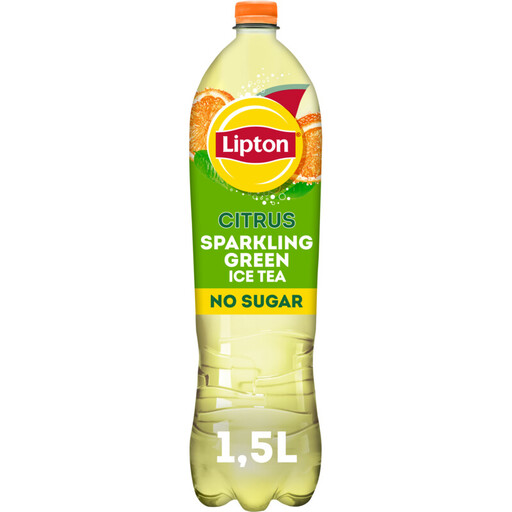
Why This Fits Their Persona: Perfect for those seeking a refreshing, sparkling drink without sugar and calories. A great choice for anyone who is mindful of their diet but still wants to enjoy a full-flavoured beverage.
This product bypasses the "light illusion" by being completely transparent. The label states 0% sugar, and the sweetness comes from sweeteners. No hidden sugars, no surprises.
Low in calories and completely sugar-free. The combination of green tea extract, blood orange juice, and bubbles creates a complex and refreshing taste.
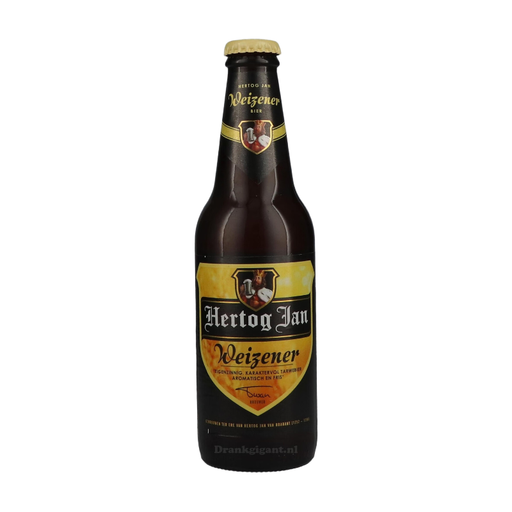
Why This Fits Their Persona: For those looking for a refreshing craft beer with a twist. This wheat beer with citrus notes is an excellent choice for a social gathering or with a light meal, such as a salad or fish.
This beer avoids the "flavoured with" trap. The citrus notes do not come from artificial flavourings, but from real ingredients like coriander and orange peel, which are added during the brewing process.
A full and fresh character thanks to the combination of wheat malt, yeast, and spices. It is an accessible craft beer that appeals to both connoisseurs and novice beer drinkers.
Didn't find what you were looking for? We have curated a wider range to suit various tastes and preferences.
1. What is the difference between juice from concentrate and fresh juice? Juice from concentrate is made by first removing the water from freshly squeezed juice, which makes transport and storage easier. Water is added back later. Fresh juice, also known as 'not from concentrate', is bottled immediately after pressing. Both types are 100% juice, but the taste can differ.
2. How long does a carton of juice or soda last after opening? Most juices and sodas can be kept in the refrigerator for a few days (usually 3 to 5) after opening. The exact shelf life is always stated on the packaging. Seal the bottle or carton tightly to preserve freshness.
3. Are citrus-flavoured drinks always very sour? Not necessarily. The acidity depends on the type of citrus fruit and the amount of added sugars or sweeteners. For example, orange juice is often sweeter, while pure lemon juice is very sour. Many citrus-flavoured drinks are balanced for a fresh, but not overly sour, taste.
