
Vandaag of morgen in huis

Kwaliteit gegarandeerd

Welkomstaanbiedingen ontgrendelen: GRATIS bezorging | Tot 80% korting | Gratis 30 dagen JoyPlus-proefperiode
Download de app
A circular saw is an indispensable tool for many DIY enthusiasts. Whether you're cutting planks to size, working with sheet materials, or building a garden shed, the right saw not only makes the job easier but also more precise. But with the many options on the market—from a powerful corded circular saw to a flexible cordless model—the choice can be overwhelming.
As a Joybuy Product Recommendation Officer, I'm here to help you get started. In this article, we'll cut through the marketing jargon and focus on what really matters: the specifications and features that suit your project. This will enable you to make an informed decision and buy the circular saw that's right for you.
Before we look at specific models, it's useful to understand a few basic principles. These three considerations will help you narrow down your selection.
The first question you should ask yourself is: where will I be using the saw?
Not all circular saws are the same. The type determines which jobs it is best suited for.
When comparing models, pay attention to the following technical details:
Based on objective specifications and functionality, we have listed some popular choices for different types of DIYers.
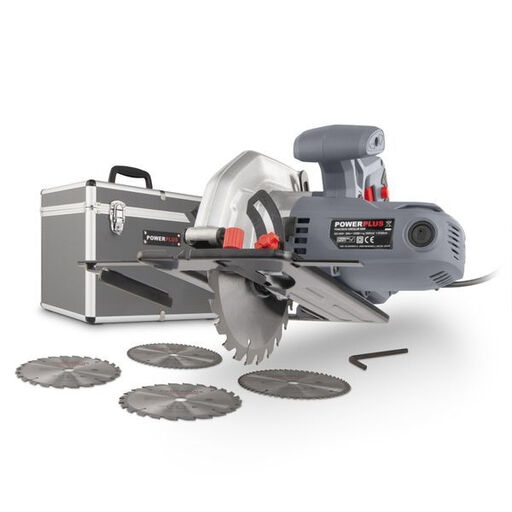
Why It Stands Out This set from Powerplus is a complete starter kit for the all-round DIYer. It is a corded circular saw that comes in a sturdy aluminium case with matching saw blades. You can get started right away.
Advantages
Who Is It For? For the DIY enthusiast looking for a reliable and powerful saw for various jobs in and around the house, who prefers the constant power of a corded model.
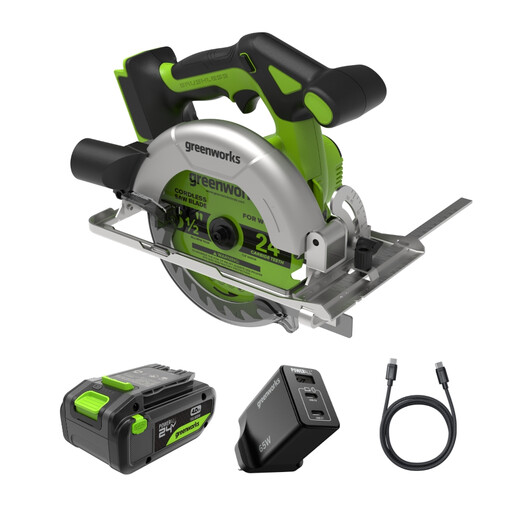
Why It Stands Out This cordless circular saw from Greenworks offers maximum freedom of movement without compromising on performance. The brushless motor is a major plus. According to Greenworks, this technology provides a longer runtime and higher cutting speed compared to traditional motors.
Advantages
Who Is It For? For the DIYer who values flexibility and mobility. Perfect for those who work in different locations and don't want to depend on a power outlet. Please note: battery and charger are sold separately.
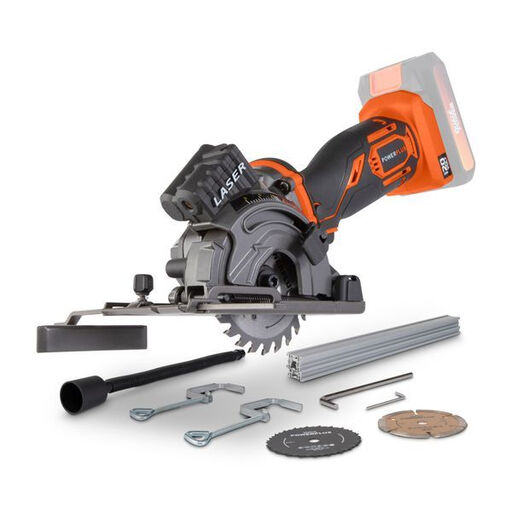
Why It Stands Out This is a mini circular saw with the functionality of a plunge saw. The combination of its compact size and plunge function makes this a highly specialised and useful tool for precision work.
Advantages
Who Is It For? Ideal for the cabinet maker, interior fitter, or hobbyist who needs to make precise cuts in materials like laminate, OSB, or kitchen worktops. An excellent choice for those looking for a circular saw for wood for finer finishing work. Please note: battery and charger are sold separately.
Every project is unique. If these recommendations aren't exactly what you're looking for, don't worry. We have a wider range of tools that might be a better fit for your job.
Check out our full collection of sawing tools for more options, from handheld circular saws to mitre saws and jigsaws.
A standard circular saw has a partially visible blade protected by a retracting guard. You always start cutting from the edge of the material. A plunge saw has a blade that is completely enclosed within the housing. You place the saw on the material and then plunge the blade straight down into the wood. This makes it possible to start a cut in the middle of a panel.
The cutting depth varies by model and is determined by the diameter of the saw blade. The models in this article range from 28 mm for the mini plunge saw to 65 mm for the corded Powerplus circular saw. Always check the 'cutting depth at 90°' specification to see if it is sufficient for the material you want to cut.
A circular saw with a guide rail is not strictly necessary, but it is highly recommended for making long, perfectly straight cuts in sheet material. It provides much higher precision than cutting freehand or with a simple side fence. For tasks like cutting doors or kitchen worktops to size, a guide rail is almost indispensable for a professional result.
