
Vandaag of morgen in huis

Kwaliteit gegarandeerd

Welkomstaanbiedingen ontgrendelen: GRATIS bezorging | Tot 80% korting | Gratis 30 dagen JoyPlus-proefperiode
Download de app
As a Product Recommendation Officer at Joybuy, I see how the vast selection of summer drinks can cause confusion. The shelves are packed with bottles labelled "cider," but what's really inside? Many people choose based on a pretty label and end up disappointed. Let's cut through the marketing jargon and look at what you need to know to find a drink that truly suits your taste, without wasting money.
Before you put a bottle in your basket, it's helpful to know where things often go wrong. Many disappointments can be avoided by paying attention to two things.
You don't need to be a label expert to choose the right bottle. Focus on these two specifications to get exactly what you're looking for.
Look at the ingredients list to uncover the drink's true nature. This determines the fundamental taste and experience.
These two numbers provide the clearest indication of the drinking experience.
To get you started, we've highlighted a few popular choices that suit different preferences.
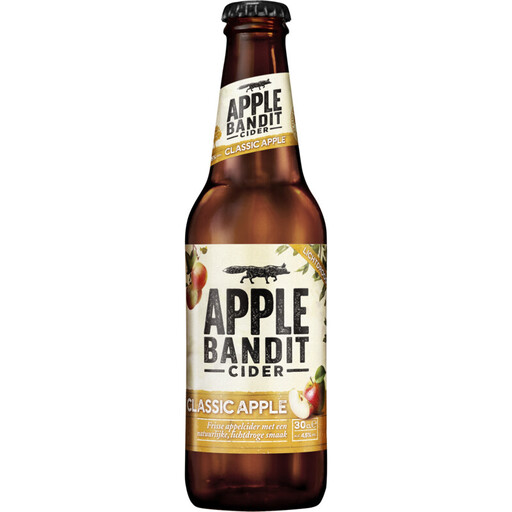
Why This Fits Their Persona: For those looking for a straightforward, refreshing apple cider. No frills, just a reliable thirst-quencher for the patio or a barbecue.
This is a pure apple cider, not a mixed drink. The flavour is predictably semi-dry with 4.8g of sugar per 100 ml, which objectively backs up the brand's "lightly dry" description.
Completely gluten-free. It has an alcohol content of 4.5%, providing a full flavour without being overpowering. Best served over ice.
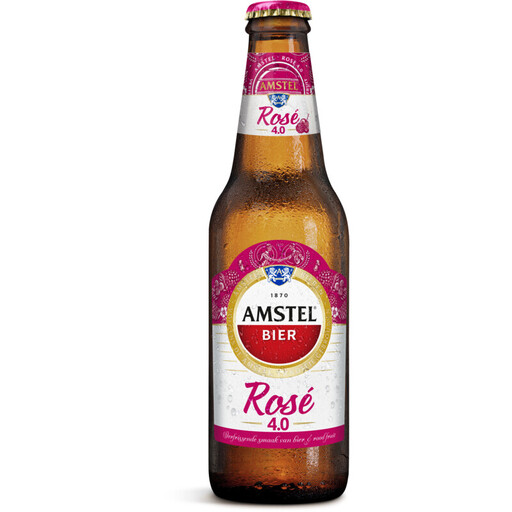
Why This Fits Their Persona: Perfect for those who love a sweet and fruity drink and are looking for an alternative to traditional beer. The red fruit flavour makes it an approachable choice for social occasions.
This product illustrates the "cider trap." It's a fruit beer, a mix of beer and fruit, not a traditional cider. Knowing this prevents a mismatch in expectations. It contains wheat and barley malt and is therefore not gluten-free.
A distinct red fruit flavour with a modest alcohol content of 4.0%. The sweetness is present but not overwhelming (2.9g of sugar per 100 ml).
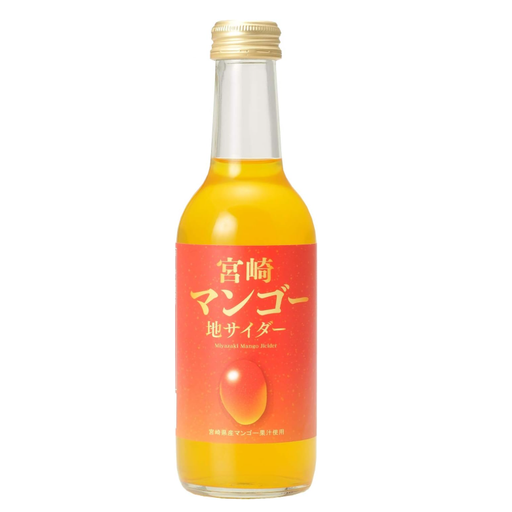
Why This Fits Their Persona: For those seeking something unique and alcohol-free. This Japanese 'cider' is a sparkling soft drink with a special citrus flavour you won't find anywhere else.
This is a great example of the broad definition of 'cider.' It's a Japanese soft drink, not a fermented beverage. The name refers to its fruity, sparkling nature. It is 100% alcohol-free.
A unique flavour from the Hyuganatsu citrus fruit, which the manufacturer describes as a cross between yuzu and grapefruit. A sophisticated and surprising alternative to standard soft drinks.
We have compiled a complete, up-to-date list of products that meet these objective selection criteria and local regulations.
The main difference is the base. Real cider is made by fermenting juice, usually from apples. A Radler is a mix of beer (about 50%) and carbonated lemonade (about 50%). This gives Radlers a lower alcohol content and a flavour that leans more towards a soft drink, whereas cider can have a more wine- or beer-like complexity.
Most ciders made purely from apples (or pears) are naturally gluten-free. Apples do not contain gluten. However, be cautious with fruit beers marketed as "cider" (like some rosé varieties) or ciders with added flavourings. These may contain barley or wheat. Always check the ingredients list if you have a gluten intolerance.
Cider is best enjoyed cold, straight from the fridge. Many brands, such as Apple Bandit, recommend pouring the cider into a glass full of ice. This keeps the drink extra cold and refreshing, perfect for a warm day.
