
If you’re serving antipasti or bruschetta
You’re looking for bread that goes well with toppings, tomatoes or dips, and want to decide what type to serve at the table. Jumbo recommends ciabatta with toppings including mozzarella and pesto.


If you’re serving bread with antipasti or toppings such as mozzarella and pesto, ciabatta is a natural choice: Jumbo recommends these combinations with this Italian-style bread. Choose focaccia when you want the bread itself to take centre stage, or a baguette or small rolls when slicing and sharing matter more. For bake-at-home bread, check the preparation instructions too, and refer to the packaging for ingredients, allergens and iodised salt.
You’re looking for bread that goes well with toppings, tomatoes or dips, and want to decide what type to serve at the table. Jumbo recommends ciabatta with toppings including mozzarella and pesto.
You want to serve warm bread without making the dough yourself. Check each product’s oven instructions and see whether air-fryer preparation is mentioned.
For guests with specific allergen or dietary requirements, the current ingredients and preparation method matter more than how the bread looks. If you’re checking for iodised salt, you can look for that on the label too.
First, decide what role the bread will play at dinner. Then choose the size and check that the preparation fits your plans.
Goes well with: antipasti and toppings such as mozzarella or pesto; Jumbo recommends these combinations with ciabatta.
Keep in mind: a bake-at-home version needs oven space just before serving.
Goes well with: a menu where the bread itself can be a more prominent part of the meal.
Keep in mind: check any toppings and ingredients to make sure they suit the rest of the menu.
Goes well with: a dinner where you mainly want sliceable bread to serve alongside the dishes; Jumbo offers baguettes as well as ciabatta.
Keep in mind: a baguette is a different style of bread from ciabatta or focaccia.
| What to consider | What to check when buying | Who is this most important for? |
|---|---|---|
| Bread to go with the menu | Think about whether you want bread for toppings and antipasti, or as a dish in its own right. | With antipasti, I want bread that complements the toppings without taking centre stage itself. Around 36% of consumers prioritise how well it goes with the menu. |
| Serving it warm | Check the baking time, temperature and permitted appliances for the bread you choose. | If the oven is also needed for the main course, I want to know when the bread can go in. Serving it warm is the top priority for around 29% of consumers. |
| Portions and presentation | Compare the weight and number of pieces; decide whether you want to slice a loaf or give everyone their own roll. | When we have guests, I want to be able to share out the portions easily. That’s the main consideration for around 21% of consumers. |
| Ingredients and allergens | Read the current ingredients and allergen information; if needed, also check whether baker’s salt or iodised salt is listed. | If a guest needs to avoid certain ingredients, I want to be able to check the label and prepare the bread separately. Around 14% of consumers put this check first. |
A premium product range or bread name doesn’t automatically mean the bread will suit your menu and the way you plan to serve it.
First choose between ciabatta, focaccia, baguette and small rolls. Then compare the size, ingredients and preparation method of each product.
Bake-at-home bread may need oven space at the same time as other dishes for dinner. For example, PLUS says to bake its ciabatta in the oven for 6–8 minutes at 220 °C, or in the air fryer for 4 minutes at 200 °C.
Check the instructions for the bread you buy and plan when you’ll bake it. Only use an air fryer if that method is listed for the product.
According to the Voedingscentrum, bakers don’t always use baker’s salt. The type of bread or an artisanal look won’t tell you which salt has been used.
For packaged bread, look for ‘baker’s salt’ or ‘iodised salt’ in the ingredients list. If the bread is unpackaged, ask.
For a guest with coeliac disease, it’s not just the bread you choose that needs consideration. You also need to avoid contact with ordinary bread during preparation and serving.
Check the packaging and use clean, separate utensils, a separate board and a separate bread basket.
Albert Heijn’s range includes ciabatta and white sourdough baguette, among other products.
Jumbo’s bake-at-home bread range includes ciabatta, white baguettes and sourdough bread.
PLUS offers ciabatta as well as smaller ciabattina rolls.
This ALDI own brand includes both ciabatta and focaccia in its bake-at-home bread range.
Dirk offers a 250 g 1 de Beste Ciabatta, described as a side dish for dinner.
Schär offers pre-baked ciabatta rolls, which Albert Heijn describes as gluten-, wheat- and lactose-free.
These products include ciabatta to serve at the table and smaller rolls for individual portions. Focus on the pack size, and for bake-at-home bread, check the instructions to see when to prepare it for serving.
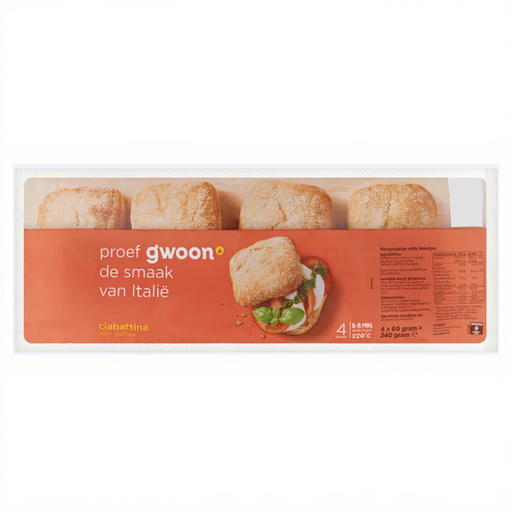 Image unavailable
A ciabattina option if you’d like to serve smaller rolls with dinner. Check the packaging for preparation instructions.
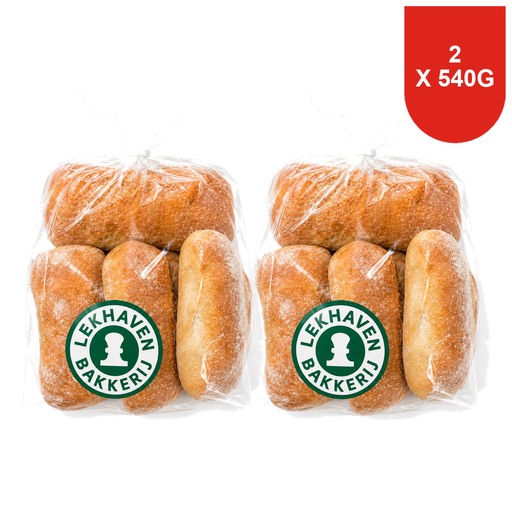 Image unavailable
A pack containing two sets of four ciabattas for dinner with several guests. Allow time to defrost, and check the baking time on the packaging before planning when to serve.
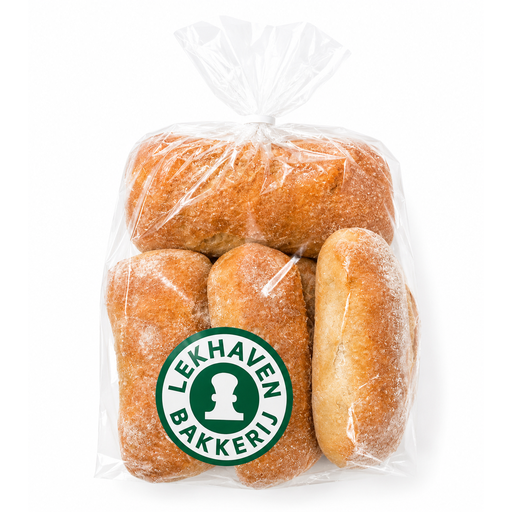 Image unavailable
Four individual ciabattas to serve at the table or one per guest. The preparation instructions include defrosting; follow the packaging for the baking time.
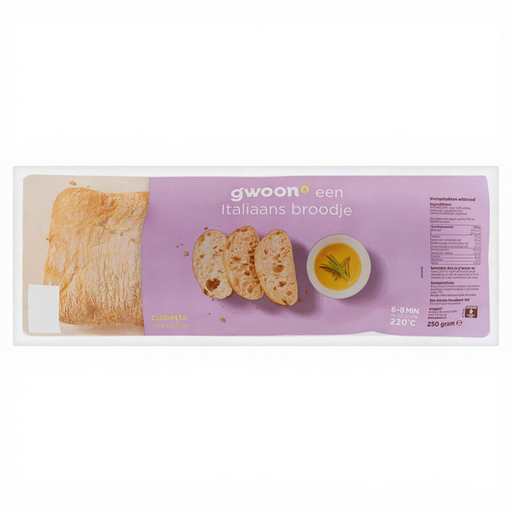 Image unavailable
A 250 g ciabatta to slice and serve at the table or with toppings. If you’d like to serve it warm, check the preparation instructions on the packaging first.
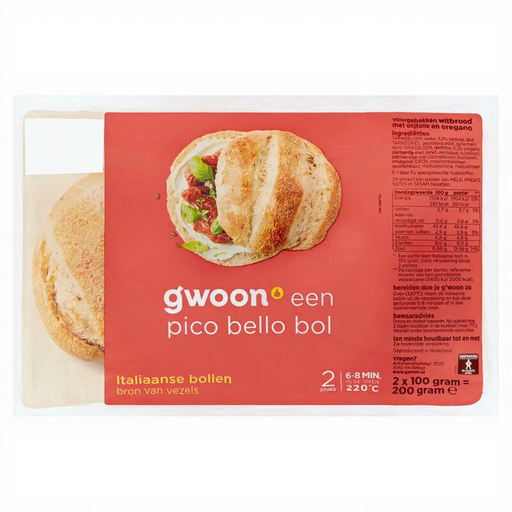 Image unavailable
Rolls are an alternative to slicing a ciabatta at the table. They’re a different type of bread, so check the ingredients, allergens and preparation instructions on the packaging.
Ciabatta is a natural choice if you want to pair bread with Italian toppings. Jumbo recommends ciabatta with mozzarella, salami and pesto, among other things. Choose focaccia when you want the bread itself to be a more prominent part of the meal.
If you want to serve the bread warm, bake it as close as possible to mealtime. Follow the instructions on your product’s packaging: PLUS says to bake its ciabatta in the oven for 6–8 minutes at 220 °C, or in the air fryer for 4 minutes at 200 °C.
No. According to the Voedingscentrum, people without coeliac disease, a wheat allergy or gluten sensitivity don’t need to eat gluten-free. If you’re serving gluten-free bread to a guest with coeliac disease, also make sure it doesn’t come into contact with ordinary bread.
For packaged bread, look for ‘baker’s salt’ or ‘iodised salt’ in the ingredients list. According to the Voedingscentrum, bakers don’t always use baker’s salt; if the bread is unpackaged, ask which salt has been used.
When buying, check the current packaging of the specific bread for ingredients and allergen information. During preparation and serving, also take care to avoid contact with other products if that’s relevant for your guest.