What should you look for when choosing?
Coated peanuts with a claim about containing less fat
A good fit if: you’re looking for a seasoned, crunchy party snack with less fat than the specific products named for comparison.
Bear in mind: Albert Heijn listed the relevant Duyvis variants as discontinued; the claim doesn’t automatically mean the snack is ‘low fat’.
Plain oven-roasted peanuts
A good fit if: you prefer a cooking method that uses no added oil or fat; Duyvis describes Oven Baked Peanuts Original this way.
Bear in mind: ‘oven baked’ doesn’t prove that a product contains less fat; Jumbo lists 50 g of fat per 100 g for Duyvis Original.
Unsalted peanuts
A good fit if: reducing salt or keeping portions easy to manage is your main goal.
Bear in mind: unsalted doesn’t mean low fat; Albert Heijn lists 51 g of fat per 100 g for AH Unsalted, with a 25 g portion size.
The percentages below show the main purchasing priority consumers may have for this Christmas party choice in each row; each row describes a different primary need.
| What matters |
What to look for |
Who is this important to? |
| Less fat |
Check what the claim is comparing the product with and compare fat per 100 g. |
If I want to serve a snack with less fat, I want to know what kind of party snack the claim compares it with. Around 33% of consumers put a specific reduction in fat ahead of other purchasing priorities. |
| Energy and portion size |
Compare kcal per 100 g and decide how many grams to serve per portion. |
If I want to manage the amount in each bowl, I look at the energy in the portion I actually serve. Around 25% of consumers give energy and portion control the highest priority. |
| Flavour and texture |
Decide whether you want to serve plain peanuts or peanuts in a seasoned dough coating. |
If I’m mainly looking for a particular seasoned crunch, I choose the type of snack first and then check the nutritional information. Around 17% of consumers put flavour and texture first. |
| Allergens |
Check the ingredients, highlighted allergens and warnings on the exact product packaging. |
If a guest has a specific allergy, the product must be suitable for them before I weigh up other product features. Around 17% of consumers say a specific allergen requirement is their top priority. |
| Quantity and storage |
Match the net weight to the number of portions and follow the storage advice after opening. |
If I want to plan how much I need for the party, I consider portions and how to store an opened pack. Around 8% of consumers prioritise serving practicality and limiting leftovers. |
Peanuts at Joybuy
This selection of Joybuy products includes unsalted and roasted peanuts, as well as peanuts in their shells. If you specifically want to serve peanuts with less fat, check the packaging and nutritional values per 100 g; the product type alone is no indication.
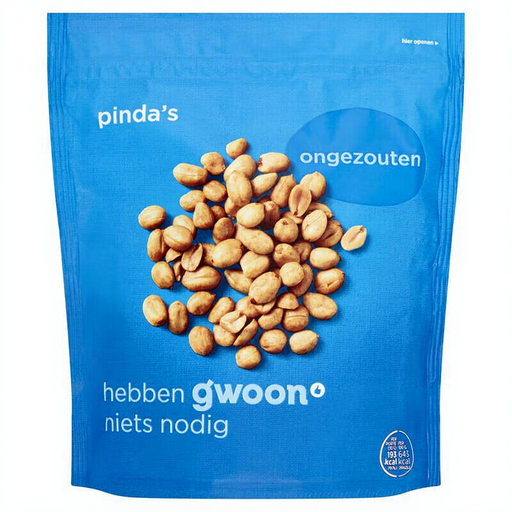 No image available
g’woon unsalted peanuts, 250 g
An option if you want to serve unsalted peanuts.
The product information lists 99% peanuts, sunflower oil and no added salt.
May contain cashews; check the allergen information if this is relevant to your guests.
View at Joybuy
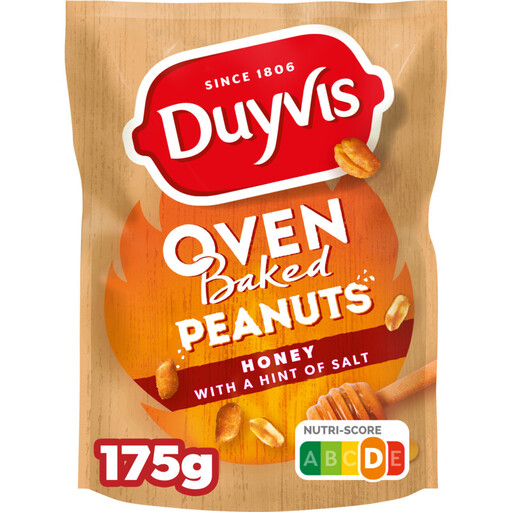 No image available
Duyvis Honey & Lightly Salted Oven-Roasted Peanuts
A sweet and savoury option if you’re looking for honey and lightly salted, oven-roasted peanuts.
The product information lists 69% peanuts and wheat.
May contain other nuts. The product information also warns of a choking hazard for young children.
View at Joybuy
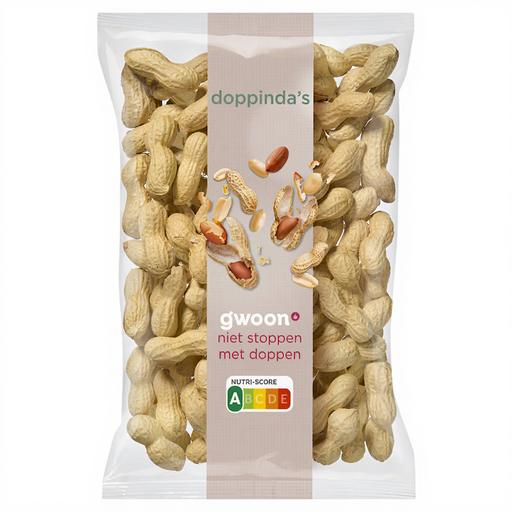 No image available
g’woon peanuts in shells, 500 g
A different way to serve peanuts from shelled varieties, for anyone looking for peanuts in their shells.
The pack contains 500 g.
View at Joybuy
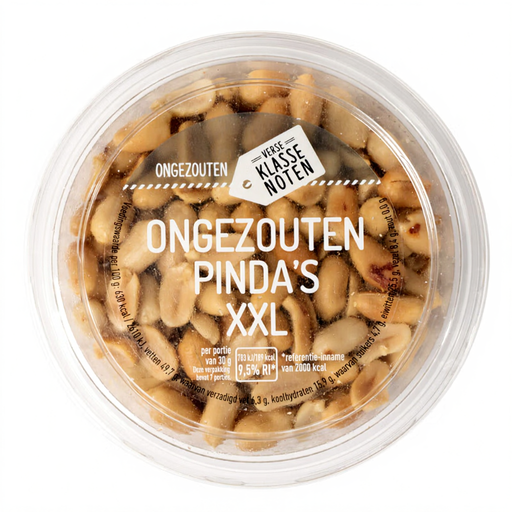 No image available
Verse Extra Large Roasted Peanuts, 210 g
An option if you’re looking for roasted peanuts.
The product information lists 100% peanuts and a 210 g pack. The description ‘roasted’ is not, in itself, proof that the product contains less fat.
View at Joybuy
Frequently asked questions
When can a solid snack be called ‘low fat’?
The European Commission sets the maximum for a ‘low fat’ claim on solid foods at 3 g of fat per 100 g. Albert Heijn listed 21 or 26 g of fat per 100 g for specific coated Duyvis variants, which is above that limit.
Does a nutrition claim mean that a snack is healthy?
No. The Netherlands Nutrition Centre points out that a product with a nutrition claim may still contain a lot of calories, sugar or fat. So check the full nutritional information and the portion you serve.
Where can I check allergens in packaged peanuts?
Check the ingredients and allergen information on the exact product packaging. According to the Netherlands Food and Consumer Product Safety Authority, allergen information for pre-packed products must appear on the label; a dough coating, for example, may contain wheat.
How should I store an opened pack?
Follow the storage advice on the specific packaging. Albert Heijn recommends storing AH Unsalted in a cool, dark, dry place and closing the pack tightly; for the documented coated Duyvis variants, an airtight, light-proof tin is recommended.
What should I do with the recalled tub of AH peanuts?
Don’t eat AH Extra Large Salted Peanuts in a tub with a best-before date of 4 November 2026. Albert Heijn’s warning of 20 May 2026 applies only to that product format and date; Albert Heijn says you can return the product for a full refund.
Can I serve whole peanuts to young children without taking any precautions?
No. Don’t assume a bowl of whole peanuts is a suitable snack for young children. The product information warns of a choking hazard for young children.


