
People keeping an eye on calories
You compare the energy content of the portion you actually eat. The Voedingscentrum gives 164 kcal per 25 g handful as a general guide for unsalted nuts; check the label on the specific pack too.


For a more mindful snack at a Christmas market, compare the energy content of the edible portion you actually eat rather than relying on terms such as ‘unsalted’ or ‘unroasted’. Product information lists 614 kcal per 100 g for Duyvis peanuts, 622 kcal for the AH and Jumbo cashews reviewed, and 641 kcal for the PLUS nut mix. For a 25 g portion, that works out at 153.5, 155.5 and 160.25 kcal respectively. AH’s information for sweet chestnuts lists 189 kcal per 100 g for the uncooked product, not for a portion roasted at a Christmas market.
You compare the energy content of the portion you actually eat. The Voedingscentrum gives 164 kcal per 25 g handful as a general guide for unsalted nuts; check the label on the specific pack too.
You want to know whether a snack is ready to eat, how much to take with you and whether it needs preparing. The preparation instructions for AH chestnuts apply to that specific product variant.
You assess salt, oil, types of nuts and allergens separately. The NVWA says that information about allergens present in non-prepacked products must be available before purchase.
First decide what matters most to you, then compare the nutritional information and preparation instructions on the specific pack.
| What to consider | What to look for | Who it matters to |
|---|---|---|
| Energy per portion | Compare kcal per 100 g on the same preparation basis, and use the edible weight of your portion in your calculation. | If I want to limit the energy in my snack, I look at what I actually eat, not the size of the bag. Around 45% of consumers prioritise energy per edible portion. |
| Ingredients and allergens | Read the ingredients and allergen information. For non-prepacked products, ask which types of nuts are present. | I want to know which nuts and oils are included and which allergens are listed. If I have an allergy, this information matters more than a calorie comparison. Around 33% of consumers make ingredients and allergens their top priority. |
| Convenience and preparation | Check whether the product is ready to eat, how it needs to be prepared and how to store an opened pack. | If I’m looking for something to eat on the go, I want to know in advance whether I can eat it without any extra preparation. Convenience comes first for around 22% of consumers. |
These terms describe the salt content or how a product is prepared, not its energy content. Duyvis product information lists 614 kcal per 100 g for the unsalted peanuts, while PLUS lists 641 kcal per 100 g for the unroasted, unsalted nut mix reviewed.
Compare nutritional value separately from salt content and preparation method, and calculate the energy for the amount you eat.
According to the European Commission, solid foods must contain no more than 40 kcal (170 kJ) per 100 g to carry the ‘low energy’ claim. Choosing a smaller portion does not change the energy content per 100 g.
Give the energy content per 100 g and per portion separately. Don’t infer that a product meets the legal claim simply because you eat a small portion.
The PLUS mix reviewed contains hazelnuts, walnuts, almonds and cashews. The NVWA points out that, for non-prepacked products, it must be clear which types of nuts are included.
Check the allergen information on the exact pack. If you’re buying from a stall, ask which types of nuts are present before you buy.
The information below relates to specific product variants. It is not a general assessment of a brand or a guarantee of what will be available at a future Christmas market.
Worth considering for unsalted peanuts and a range of preparation styles.
The product information reviewed covers cashews and sweet chestnuts.
The variant reviewed is Cashews Unsalted 200 g.
The Alesto range includes nuts, dried fruit and party snacks.
The Dutch product page reviewed is for Trader Joe’s cashews, roasted and unsalted, 250 g.
The unroasted, unsalted Nut Mix 200 g reviewed contains four types of nuts.
The products below are chestnut variants to compare with other nut snacks. Check the ingredients, nutritional value and preparation method on each pack.
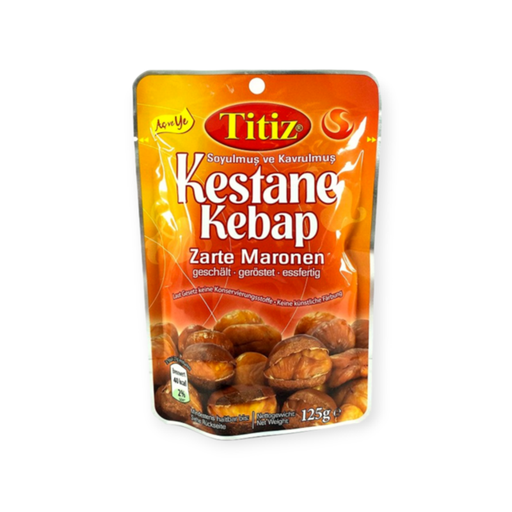 Image unavailable
This roasted chestnut variant is an option to compare with peanuts and cashews. Check the portion size and nutritional value on the pack.
Variant: roasted chestnuts. Net weight: 125 g.
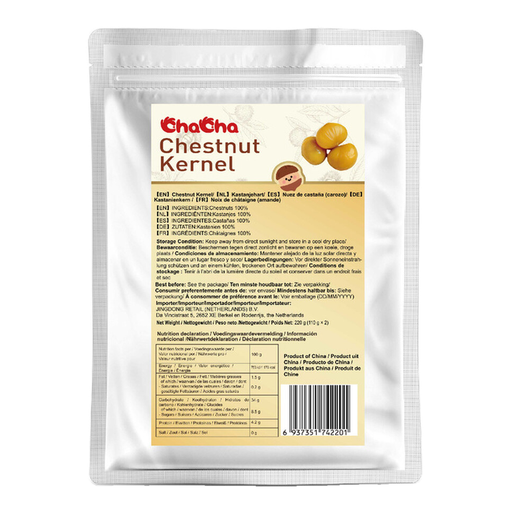 Image unavailable
If you want to compare chestnut kernels with other nut snacks, check the nutritional value on the pack and whether any further preparation is needed.
Variant: chestnut kernels. Net weight: 220 g.
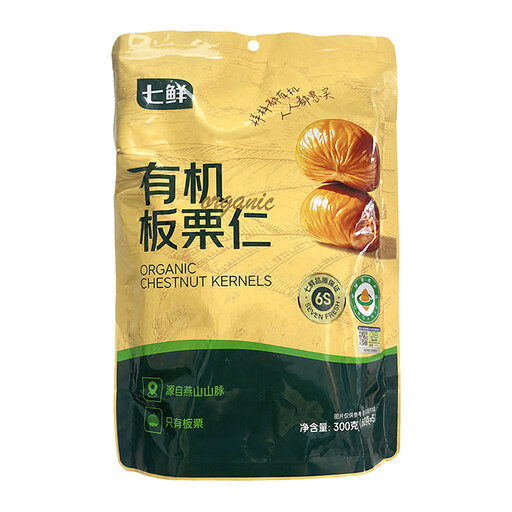 Image unavailable
This variant may suit you if you want to weigh up chestnut kernels alongside other nut snacks. Check the portion size and preparation information on the pack.
Variant: chestnut kernels. Net weight: 300 g.
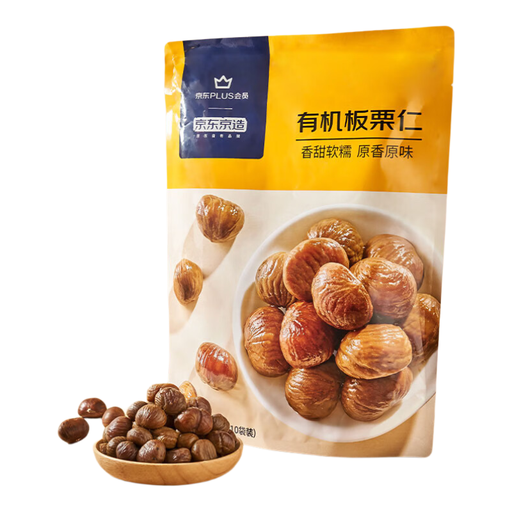 Image unavailable
If you prefer to portion out your snacks by the sachet, the product title describes peeled, ready-to-eat chestnuts packed in ten sachets.
Net weight: 1 kg. Pack: 10 sachets.
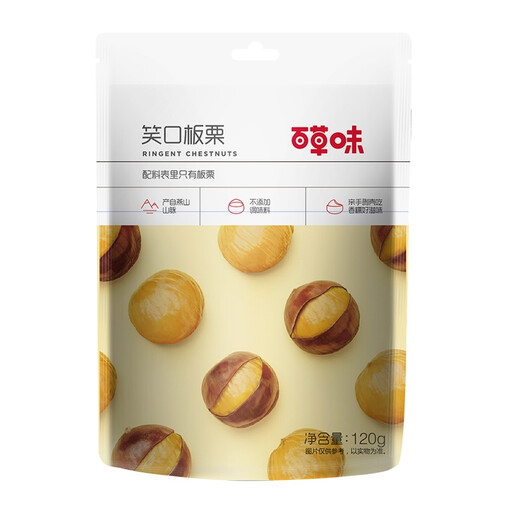 Image unavailable
Compare this chestnut variant with other snacks using the portion size and nutritional information on the pack.
Net weight: 120 g. The product information lists sugar as well as chestnuts; check the ingredients list on the pack.
Multiply the kcal per 100 g by the edible weight of your portion, then divide by 100. For nuts in their shells, weigh only the part you actually eat, and compare products on the same preparation basis.
According to the European Commission, a solid food can carry the ‘low energy’ claim only if it contains no more than 40 kcal (170 kJ) per 100 g. A small portion does not change that limit per 100 g.
Ask which types of nuts are present and what allergen information applies to the product. The NVWA says this information must be available before purchase. If it is given verbally, there must be a clear sign saying that you can ask for it.
Only compare them if they are prepared on the same basis. AH’s information lists 189 kcal per 100 g for uncooked chestnuts; this is not an exact nutritional value for a portion roasted at a Christmas market.
Follow the instructions on the specific pack. AH’s information for the chestnuts reviewed recommends carefully scoring them, roasting them in an oven at 200 °C for 15–20 minutes, letting them cool briefly and then peeling them. These instructions do not automatically apply to other chestnuts.