What should you look for when choosing?
First decide whether you want to serve plain digestives, chocolate digestives or caramelised speculoos. Then check the ingredients, pack size and the information visitors need when biscuits are sold loose.
| What to consider |
What to check when buying |
Who is this most important for? |
| Type of biscuit |
Check whether you’re choosing a digestive or speculoos. If you want a digestive, compare plain and chocolate varieties. |
I want to serve a biscuit with coffee or tea that suits the flavour I’m looking for, without mistaking speculoos for a digestive. Around 33% of consumers put flavour and serving occasion first. |
| Ingredients |
Compare similar biscuits per 100 g and check the ingredients list on the current packaging. |
If wholegrain ingredients, fibre or sugars matter to me, I want to look beyond the name on the pack. For around 25% of consumers, ingredients are the first consideration. |
| Pack size |
Check the quantity in each pack and buy enough for the amount you expect to use. Follow the storage instructions once opened. |
I want to take enough biscuits for the visitors I’m expecting, without opening more packs than necessary. Pack size is the main priority for around 25% of consumers. |
| Allergen information |
Check the label for the exact variety and, if serving the biscuits unpackaged, make the allergens present known. |
When I serve biscuits loose, visitors need to be able to check which allergens they contain before choosing. This information comes first for around 17% of consumers. |
Biscuits on Joybuy to suit your choice
These products let you choose between Original digestives, two chocolate varieties and Lotus Biscoff as a speculoos alternative to serve with coffee. If serving the biscuits loose, always check the information on the packaging you’re actually using.
 Image unavailable
McVities Digestive Original, 400 g
For anyone who wants to serve Original digestives with coffee or tea. This pack contains 400 g. If allergens are a concern, check the current label and keep the information available when serving the biscuits loose.
View on Joybuy
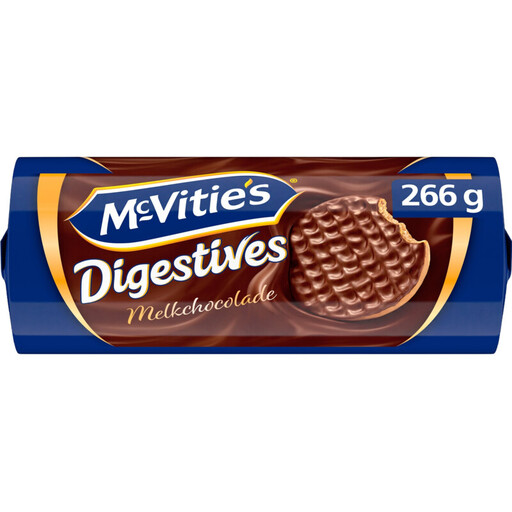 Image unavailable
McVitie's Digestives Milk Chocolate, 266 g
For anyone looking for a milk chocolate digestive rather than a plain variety. The pack contains 266 g. If ingredients are a factor, compare the nutritional information per 100 g and check the allergens on the packaging.
View on Joybuy
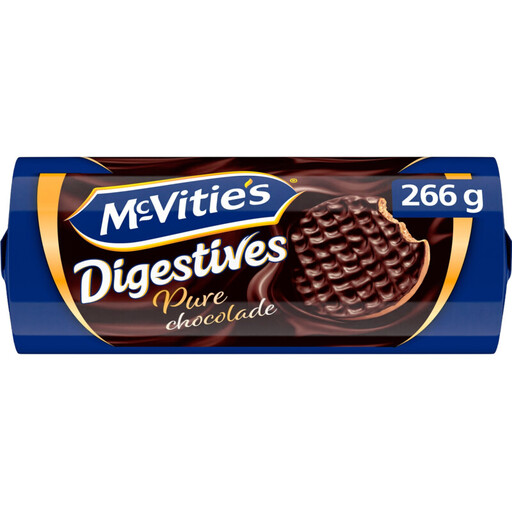 Image unavailable
McVitie's Digestives with Dark Chocolate, 266 g
For anyone who wants to serve digestives with dark chocolate. The pack contains 266 g. Don’t treat these as a plain variety when comparing labels, and check the packaging for allergen information.
View on Joybuy
 Image unavailable
Lotus Biscoff Speculoos Cookie, 250 g
For anyone who specifically wants to serve a caramelised speculoos biscuit with coffee instead of a digestive. The pack contains 250 g. If serving unpackaged, check the full allergen information on the current packaging.
View on Joybuy
Frequently asked questions
How do I compare two digestive biscuits?
Compare similar digestive biscuits by their nutritional values per 100 g, and check the ingredients list too. The Netherlands Nutrition Centre recommends comparing products per 100 g. Focus on the details that matter to you, such as fibre, sugars, saturated fat and salt.
Does ‘digestive’ or ‘wholemeal’ mean a biscuit is gluten-free?
No, these terms don’t mean a product is gluten-free. Jumbo lists wheat ingredients for its wholemeal digestive, and ALDI describes its Biscotto Digestive Biscuits as wheat biscuits. If gluten-free is essential for your choice, check the allergen information for the exact variety.
What allergen information do I need if I’m serving biscuits loose at a Christmas market in the Netherlands?
Make information about the allergens present in each unpackaged biscuit available before visitors choose. The Netherlands Food and Consumer Product Safety Authority says that for cereals containing gluten, you must also make clear which cereal is present. Use the current information on the relevant packaging.
How should I store an opened pack for the Christmas market?
Follow the storage instructions on the packaging and seal any opened pack securely. Jumbo also advises storing its wholemeal digestive in a dark place; don’t assume this is the complete storage guidance for other products.


