
Hosts planning a Christmas brunch for a large group
For a large family, buffet or small event, you’ll want to work out in advance how many packs you need. Checking the weight of each pack is more useful than estimating its size by eye.


For a Christmas brunch with a large group, a 300 g pack is a useful starting point, but the quantity you need depends on the number of guests and whether the flakes are a main spread or a topping. Choose dark, milk or mixed flakes to suit the flavours you want to offer, and check the ingredients, allergens, best-before date and storage instructions on each pack.
For a large family, buffet or small event, you’ll want to work out in advance how many packs you need. Checking the weight of each pack is more useful than estimating its size by eye.
If guests are having flakes on bread, yoghurt or dessert, you can choose between dark, milk and mixed varieties. Check what the mix contains: white or vanilla flakes aren’t the same as dark chocolate flakes.
If milk, lactose, soya or wheat are a concern for any of your guests, check the information for the exact variety you buy. Before serving, also read any warning that the product may contain an allergen.
First, work out how many flakes you’ll need for bread and toppings. Then choose your preferred flavours and check the labels on the packs you’ve actually bought before serving.
| What to consider | What to check when buying | Who it matters to |
|---|---|---|
| Quantity and stock | Compare the weight in grams and work out how many packs you’ll need based on your guest numbers and how you plan to serve them. | If I need flakes for several breakfasts or a full brunch table, I don’t want to run out halfway through. Around 33% of consumers put having enough on the table first. |
| Flavour variety | Check whether a mix contains dark, white or vanilla flakes, and whether the combination suits your menu. | When catering for a range of tastes, I want to choose what to serve alongside bread, as well as what to offer as a topping. For around 25% of consumers, flavour variety is the top priority. |
| Ingredients and allergens | Check the ingredients, allergens and any warning that the product may contain an allergen for each variety. | When serving guests with a relevant allergy, I need to know which pack is suitable for them. Around 25% of consumers put checking ingredients and allergens first. |
| Cocoa profile | Compare the stated minimum cocoa solids and the ingredients of the exact variety. | If chocolate is the flavour I want for bread or dessert, I want to be able to assess the character of the flakes I choose. For around 17% of consumers, the cocoa profile matters most. |
De Ruijter Royaal lists soya and carries a warning that it may contain milk. So the name of a flavour variety doesn’t tell you whether it’s suitable for a guest who needs to avoid a particular allergen.
Read the ingredients and allergen information on the current pack. If you’re unsure, don’t present a variety as free from an allergen.
A pack shown previously may not be available to order when you do your Christmas shopping. Jumbo’s online range listed De Ruijter Royaal 300 g and Vlokfeest 300 g as no longer available.
Check which variety is available through your chosen retailer just before ordering. If you choose an alternative, compare its weight and label again.
According to Albert Heijn, AH Mix consists of 50% dark and 50% white flakes. Its ingredients and allergens therefore differ from those of a pack containing only dark flakes.
Choose a mix if that’s the combination you want to offer, and check the mix’s own ingredients, allergens and nutritional information.
These brands offer relevant varieties of chocolate flakes. Compare the weight, ingredients and allergens of each product rather than relying on the brand name alone.
Offers milk, dark and mixed chocolate flakes, among other varieties. For festive varieties, check the exact pack and its weight.
Offers dark flakes and a 300 g pack of AH Mix, among other products.
Offers own-brand dark, milk and duo flakes in 300 g packs.
Offers dark and milk chocolate flakes in 300 g packs.
The Kiekeboe product shown by ALDI is a 300 g pack of milk or dark chocolate flakes.
Here, chocolate flakes for a Christmas brunch are featured alongside two varieties of chocolate sprinkles. Sprinkles aren’t flakes: compare these product types separately and work out how much you’ll need for your table based on the weight of each pack.
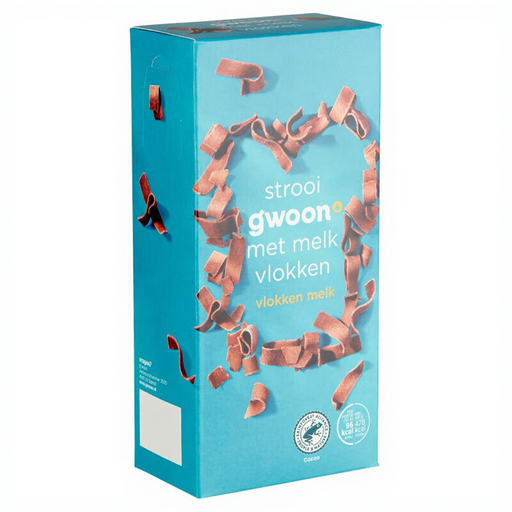 Image unavailable
A milk chocolate variety for bread or yoghurt at breakfast. The pack contains 300 g; check the current label if milk or possible traces of wheat are relevant to your guests.
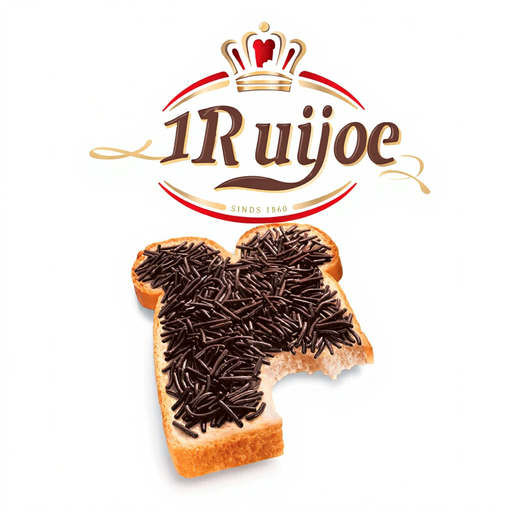 Image unavailable
A dark chocolate sprinkles variety for anyone wanting to serve sprinkles on bread or as a topping at brunch. The pack contains 390 g. The product description lists milk solids and soya; don’t treat the word ‘dark’ as an allergen-free claim.
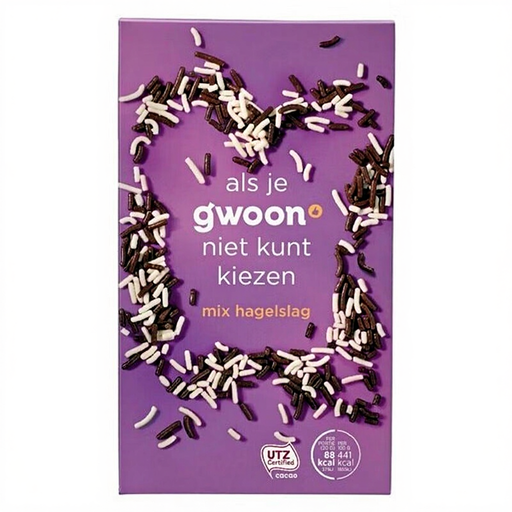 Image unavailable
For anyone wanting to serve milk chocolate sprinkles alongside flakes on a larger breakfast table. The pack states 600 g. Check the ingredients on the label; milk and wheat are relevant when checking allergens.
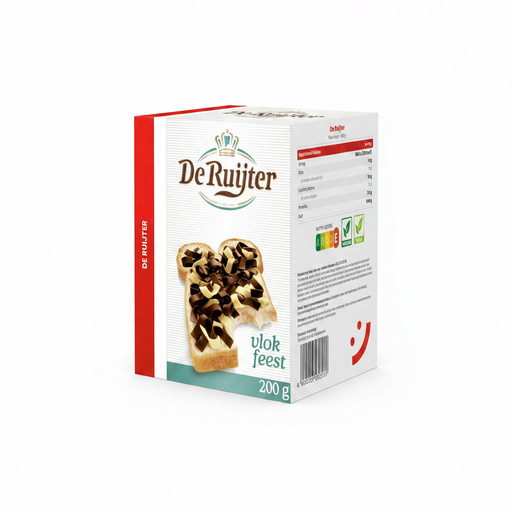 Image unavailable
A mix of chocolate and vanilla flakes for anyone wanting to serve a choice of flavours from a single pack at brunch. It contains 200 g, so work out whether you’ll need more than one pack for a larger group. Contains wheat and soya and may contain milk.
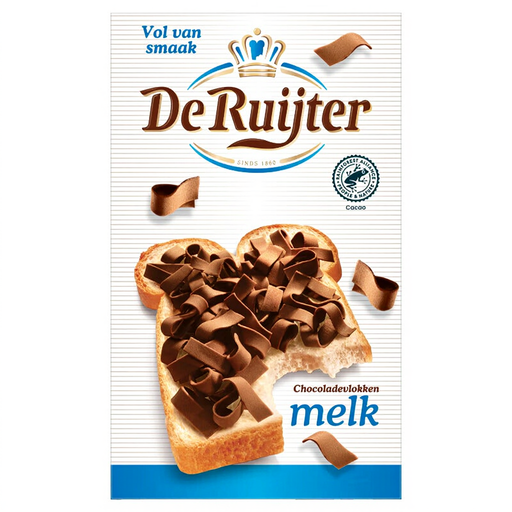 Image unavailable
Milk chocolate flakes for bread or yoghurt at breakfast. The pack contains 200 g, so choose the number of packs to suit how you’re serving them and how many guests you have. Contains milk and soya; check the pack before serving.
That depends on the number of guests and how you plan to serve the flakes. Decide whether they’ll mainly be a spread for bread or a topping, allow for other options, then work out how many packs you need based on their weight and the portions you want to serve.
Not without checking the exact variety. De Ruijter Royaal states that it may contain milk, while AH Pure lists milk and lactose as allergens. Read the ingredients and allergen information on the pack you’re serving.
At the very least, check the ingredients, allergens, net weight, best-before date and any storage instructions for the variety you choose. Nutritional information lets you compare products on the same basis, such as per 100 g, without using one nutritional value to judge the whole product.
Follow the storage advice on the pack you choose and check the best-before date before serving the flakes. The product pages for the varieties described recommend storing them in a cool, dry, dark place; reseal an opened pack securely.
Use that information to plan your purchase, but check the label on the delivered pack when it arrives too. That way, you can choose products for guests with allergies based on the exact variety you’ll be serving.