
Vandaag of morgen in huis

Kwaliteit gegarandeerd

Welkomstaanbiedingen ontgrendelen: GRATIS bezorging | Tot 80% korting | Gratis 30 dagen JoyPlus-proefperiode
Download de app
Buying shampoo seems straightforward, but the differences between formulas can be significant. A product may be suitable for dry hair, for example, while its cleansing ingredients leave your hair feeling heavy or coarse. Terms such as “repairing”, “hydrating” and “anti-breakage” only tell you so much if you do not check the ingredients, volume and usage instructions.
The three most common pitfalls:
Decide whether you mainly want to care for your hair lengths or your scalp.
If irritation, severe itching or sores persist, it is advisable to stop using the product and seek medical advice.
A sulphate-free shampoo uses different cleansing agents from a formula containing, for example, sodium laureth sulphate. Sulphates are not automatically unsuitable, but some people prefer gentler cleansing, particularly for dry or coloured hair.
Silicones can make hair feel smoother and easier to comb. If you prefer a silicone-free shampoo, check the ingredients list. Shiseido Ma Cherie states that it has a silicone-free formula, while other products in this selection do contain silicones or conditioning polymers.
Also look out for fragrance and fragrance ingredients such as limonene, linalool or hexyl cinnamal. If you have previously reacted sensitively to fragrance ingredients, check the full list on the packaging particularly carefully. The formulation may vary between packaging versions or markets.
A 250 ml shampoo is convenient for trying a product first. A 625 ml or 1,000 ml pack is practical for daily use or for households with multiple users. Also consider:
A hydrating shampoo does not always make conditioner unnecessary. With dry, long or damaged hair, conditioner can help make the hair easier to comb. For example, Olaplex recommends using No. 4 Bond Maintenance Shampoo together with No. 5 conditioner. This is a brand recommendation, not a requirement for every user.
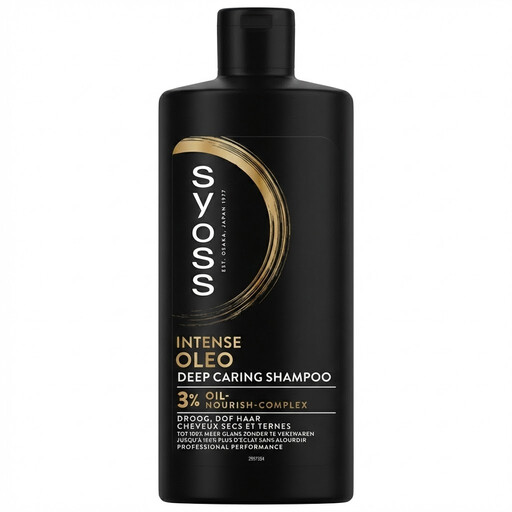
Why this suits the profile: The 440 ml pack offers a practical amount for daily use. The product description focuses on dry and damaged hair and mentions ingredients including sunflower oil and hydrolysed keratin.
The ingredients list is visible and shows that the formula contains sodium laureth sulphate. This lets you make your choice based on your own preferences rather than relying solely on the term “Intense Oleo”.
440 ml volume; sunflower oil and hydrolysed keratin listed; intended for dry and damaged hair.
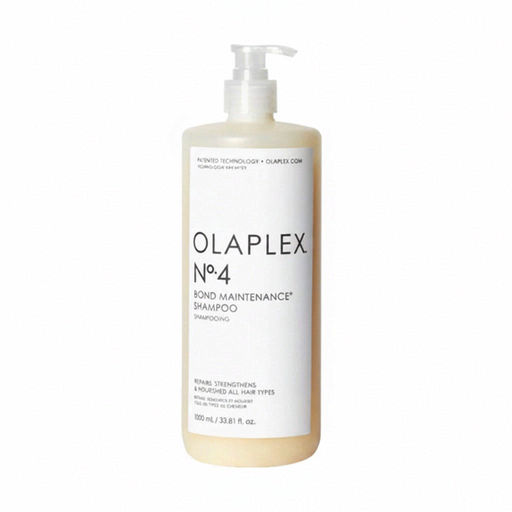
Why this suits the profile: The large pack is suitable for people who wash their hair regularly and follow an established haircare routine. Olaplex states that it has a sulphate-free, colour-safe formula.
The product information clearly states the volume, sulphate-free formula and suitability for coloured hair. Check the current packaging if these points are decisive for you.
1,000 ml volume; sulphate-free according to the product listing; vegan according to the stated specifications.
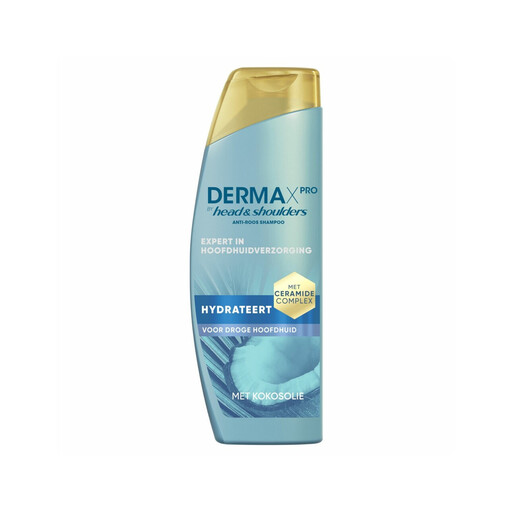
Why this suits the profile: This anti-dandruff shampoo is designed for a dry scalp. According to the product description, the formula contains piroctone olamine, ceramides and coconut ingredients.
The formula is not sulphate-free: sodium laureth sulphate appears in the ingredients list. This allows you to weigh up whether the anti-dandruff function is more important to you than a sulphate-free formulation.
250 ml volume; piroctone olamine listed; intended for a dry, flaky scalp.
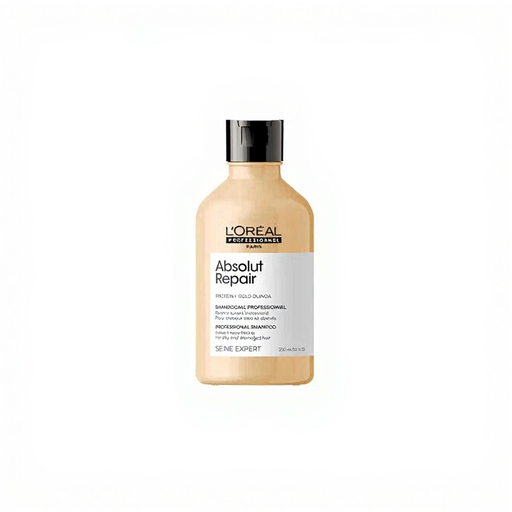
Why this suits the profile: The product information states that it is intended for dry and damaged hair. According to the description, the formula contains golden quinoa and proteins and is listed as vegan.
The specifications state that this shampoo is not sulphate-free, paraben-free or silicone-free. This makes the choice easier to assess if you want to avoid particular ingredients.
300 ml volume; designed for dry and damaged hair; vegan according to the product listing.
We have put together a complete, up-to-date list of products that fully meet these strict selection criteria and the applicable European safety regulations.
Look for a hydrating shampoo containing ingredients such as glycerine, oils or conditioning agents. If you prefer to avoid them, also check whether the formula contains sulphates, fragrance or silicones. If your lengths are dry, consider using conditioner.
This depends on your scalp, hair type and daily activities. An oily scalp may require more frequent washing than dry or curly hair. If you use an anti-dandruff shampoo, follow the instructions on the packaging and do not automatically use more product.
Not necessarily. “Sulphate-free” describes just one aspect of the formula. Fragrance, other cleansing agents and preservatives can also affect how your scalp reacts. So compare the full ingredients list and stop using the product if irritation occurs.
