
Vandaag of morgen in huis

Kwaliteit gegarandeerd

Welkomstaanbiedingen ontgrendelen: GRATIS bezorging | Tot 80% korting | Gratis 30 dagen JoyPlus-proefperiode
Download de app
Want to increase your daily protein intake, but finding it hard to tell the difference between all the shakes, powders and protein drinks? One pack promises rapid absorption, while another focuses on a high protein percentage or a vegan recipe. However, an eye-catching claim does not always tell you whether a product is suitable for your diet.
With this practical guide, you can focus on the information that really matters: protein per serving, protein source, allergens, nutritional values, flavour and ease of use. This helps you avoid buying a large tub that does not suit your training or daily routine.
A product may contain a high percentage of whey isolate as an ingredient, while the finished powder provides less protein per serving than expected. So do not just look for terms such as “pure formula” or “high protein”; check the nutrition table as well.
A practical comparison:
Collagen powder therefore cannot be compared directly with whey protein for a traditional protein shake. The type of protein and its intended use are different.
Clear whey is usually a clear protein drink made with whey protein isolate. This generally means that the product contains milk. A refreshing fruit flavour does not automatically make it lactose-free or vegan.
If you want to avoid animal-derived ingredients, check that the label clearly states that the product is vegan and identifies a plant-based protein source. According to the product information, Optimum Nutrition Clear Protein 100% Plant Protein Isolate Peach is marketed as vegan and contains 20 grams of protein per serving.
Whey protein, whey isolate and many clear whey products contain milk. Some varieties also contain soya as an emulsifier. Marine collagen contains fish and may contain milk, according to the product information. If you have an allergy or intolerance, always check the packaging, ingredients list and warnings for the specific batch.
“Gluten-free” does not automatically mean suitable for everyone either. Applied Nutrition ISO-XP products are described as suitable for a gluten-free diet, but they do contain milk and may contain certain other allergens.
Whey protein comes from milk and is widely used in a protein shake after exercise or between meals. Whey isolate is generally filtered further and often contains relatively little fat and carbohydrate. Exact values vary by brand and flavour.
A plant-based product may contain pea, rice or other plant-based proteins, for example. As well as checking the protein content, consider the texture, sweeteners and flavour. Vegan protein powder may mix differently from whey and sometimes requires more water.
Collagen powder, such as marine collagen, has a different profile from standard protein powder. According to the product information, Vital Proteins Marine Collagen Natural is unsweetened, lactose-free and gluten-free, with 12 grams of collagen per serving. However, it contains fish as an allergen. Use the product information as a starting point and check the current label before purchasing.
Compare products based on grams of protein per recommended serving, not just by pack size. A large bag may look like good value, but it may contain a small serving size or only a limited number of servings.
Check the following:
A powder providing 25 grams of protein per serving is not automatically better value than one providing 22.5 grams. The price per serving and price per gram of protein offer a fairer comparison.
For a high-protein diet, calories, sugar, fat and salt may all be relevant. According to the product details, Optimum Nutrition Protein Water provides 16 grams of whey isolate per 350 ml bottle, with 64 kcal, 0 grams of sugar and 0 grams of fat. It is ready to drink and does not require a shaker.
Powder is generally more flexible and often better value per serving, but it does require mixing and storage. A clear whey-style drink may appeal if you do not want a creamy texture. Check whether you need 500 to 600 ml of water and whether the powder needs to stand after shaking to allow the foam to settle.
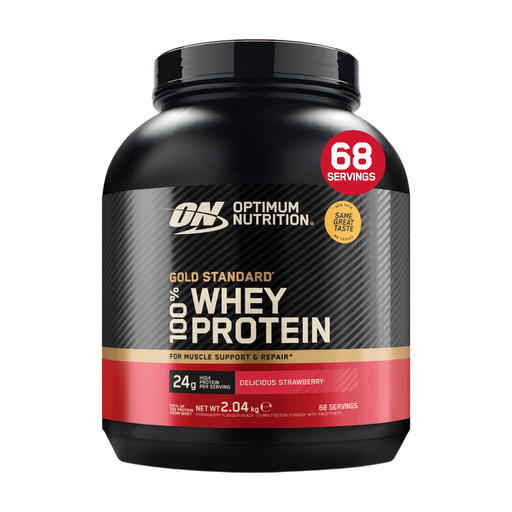
Why it suits this profile: The large pack provides 25 grams of protein per serving and is suitable for regular use after training or between meals.
The product information states the serving size, protein content and nutritional values, so you do not have to rely solely on claims made on the packaging.
25 grams of protein per serving; blend of whey isolate, whey concentrate and hydrolysed whey peptides.

Why it suits this profile: This whey isolate is aimed at athletes looking for a high protein contribution per shake and limited amounts of sugar and fat.
The nutrition table states 25 grams of protein, less than 1 gram of carbohydrate and less than 0.5 grams of fat per serving.
31 servings per pack; vanilla flavour; contains milk and soya, so check the allergens beforehand.
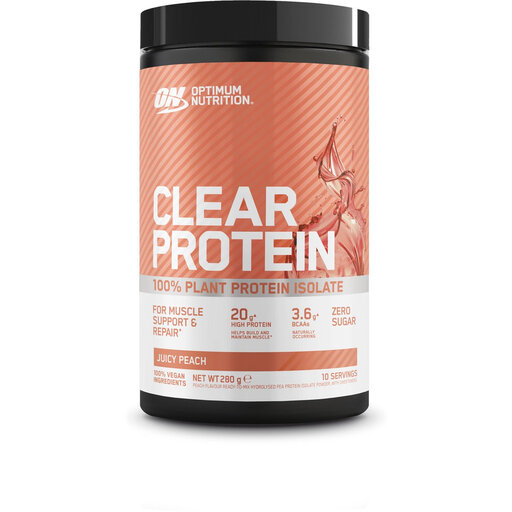
Why it suits this profile: A plant-based, non-creamy option for vegan athletes or anyone who prefers a refreshing protein drink.
The product details state that it is 100% plant-based, vegan and provides 20 grams of protein per serving. Mix with 600 ml of cold water and allow the foam to settle.
20 grams of protein per serving; sugar-free formula; peach flavour and clear drink texture.
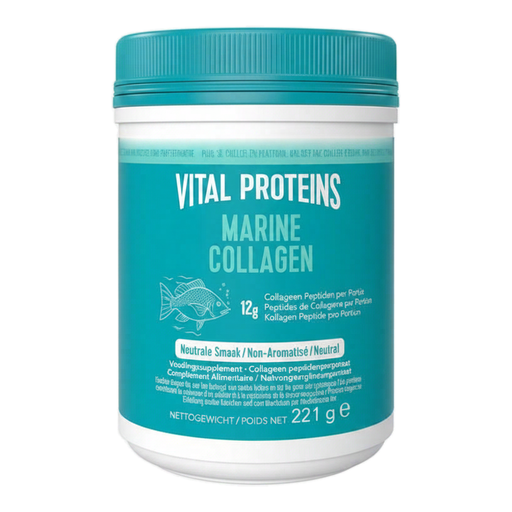
Why it suits this profile: The neutral flavour is suitable for people who want to mix collagen into hot or cold drinks, smoothies or food.
The product information clearly states 12 grams of collagen per serving, 18 servings and fish as an allergen. It is therefore not a hidden whey product.
Unsweetened; lactose-free and gluten-free according to the product details; easy to measure.
We have put together a complete, up-to-date list of products that fully meet these strict selection criteria and the applicable European safety regulations.
Always follow the dosage instructions on the packaging. A whey shake is often mixed with 180 to 350 ml of water or milk. Clear whey and protein water may require more liquid. Use a clean shaker and store opened powder tightly sealed, in a dry place away from direct sunlight.
A protein supplement is not a substitute for a varied diet. Protein-rich foods such as chicken, fish, eggs, dairy products, tofu and pulses can contribute to your daily protein intake alongside a shake. If you have a medical condition, take medication, or are pregnant or breastfeeding, it is advisable to consult a healthcare professional.
This depends on your total protein intake, body weight, diet and training goal. First work out how much protein-rich food you already eat. Use a shake only to top up a practical shortfall and follow the recommended serving size on the label.
Not automatically. Whey isolate contains milk and may still contain trace amounts of lactose. Check the allergen information and, if you have a lactose or milk allergy, only choose a product whose suitability is clearly stated on the label.
The best-before date is shown on the packaging. Store the powder in a cool, dry place in a tightly sealed container. Do not use a product if the packaging is damaged or if its smell, colour or texture has clearly changed.
