
Vandaag of morgen in huis

Kwaliteit gegarandeerd

Welkomstaanbiedingen ontgrendelen: GRATIS bezorging | Tot 80% korting | Gratis 30 dagen JoyPlus-proefperiode
Download de app
Choosing a new audio device may seem straightforward. Yet a model with an impressive list of features on paper can disappoint in practice. Earbuds may become uncomfortable after a short time, a wireless connection may not work with your laptop and a microphone may be less useful than expected in a busy office.
That is why choosing earbuds and headphones is not just about the brand, price or a term such as “studio sound”. Pay particular attention to the connection, fit, microphone and the way you intend to use the product.
More and more smartphones, tablets and laptops use USB-C. A traditional 3.5mm connection will not work without an adapter. With USB-C earbuds, also check whether your device supports audio via USB-C. A USB-C port is not automatically suitable for audio on every device.
Wireless earbuds and Bluetooth earbuds eliminate cables, but they do require pairing and charging. Check the Bluetooth version, whether your smartphone is supported and whether you can use the model with multiple devices.
“Noise cancelling” can mean different things. Passive noise isolation comes from the fit and material of the earbuds or ear cushions. Active noise cancellation uses electronics and microphones to reduce ambient noise. A product with a noise-cancelling microphone is also not automatically a noise-cancelling pair of headphones for listening.
Terms such as “3D audio”, “hi-fi” and “low latency” only tell you something when you look at the full specifications. Check the connection type, frequency response, controls and compatibility with your device.
In-ear earbuds sit directly in the ear canal. This can provide a compact fit, but the right fit varies from person to person. A model supplied with several ear-tip sizes offers more options for adjusting the fit. Over-ear headphones cover the entire ear and can be comfortable during longer listening sessions, but are generally heavier and less compact.
For sports earbuds, a secure fit and a suitable water-resistance rating are important. An IPX4 rating provides protection against splashing according to the product specification, but does not make a device suitable for submersion.
Choose a wired headset if you do not want to charge a battery or if a fixed connection is important for calls and meetings. USB-C earbuds are practical for modern phones and laptops. The Sony IER-EX15C has a USB-C connection, a 120 cm cable, a built-in microphone and a remote control. The Samsung EO-IC100 also uses USB Type-C and has controls via buttons on the cable.
With wireless models, check the charging case, charging port and stated battery life in addition to Bluetooth. According to the product information, the Apple AirPods 4 offer more than 30 hours in total with the charging case. According to the product description, the Sony LinkBuds Clip provides 9 hours of playback from the earbuds, with additional capacity via the case.
For calls, online meetings and working from home, a headset with microphone is often more practical than ordinary earbuds without clear microphone specifications. Check the microphone’s position, the mute controls and the connection type.
The EPOS IMPACT SC 230 USB MS II is a wired on-ear headset with a flexible microphone boom, inline call control and a 2.9-metre cable. The manufacturer states that it has a noise-cancelling microphone; this is an EPOS product claim and should not be taken as a guarantee that every call will sound completely clear in every environment.
Compare the weight and wearing style. The Sony IER-EX15C is listed in the product information as weighing 3 grams. According to the stated specifications, the Samsung EO-IC100 weighs 18.35 grams and comes with several ear-tip sizes. The EPOS headset weighs 58 grams and has an adjustable headband.
When using headphones on the go or during sport, look for an IP rating. The Sony LinkBuds Clip has an IPX4 rating and an open-ear design. This means that ambient sound remains audible. That is not the same as active noise cancellation, and it may be less suitable on a busy train when you want to hear as little ambient noise as possible.
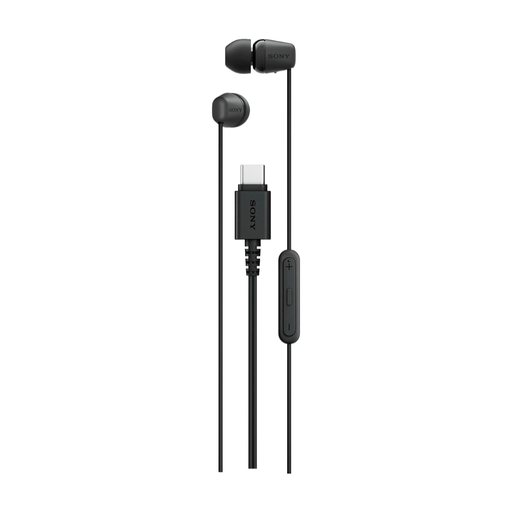
Why it suits this profile: This wired model is designed for everyday listening, calls and use with USB-C devices. There is no battery to charge and no Bluetooth pairing required.
The USB-C connection eliminates the need for a separate 3.5mm adapter, while the cable does not need recharging. Check your device’s audio support in advance.
USB-C plug-and-play, built-in microphone, remote control, 120 cm cable and a lightweight in-ear design.

Why it suits this profile: These over-ear headphones are ideal for users who value active noise cancellation, a headband design and USB-C audio features.
The product specification distinguishes between active noise cancellation and Transparency mode. Bear in mind the weight of 384.4 grams and the lack of water protection.
Active noise cancellation, Transparency mode, Bluetooth, USB-C and a stated battery life of up to 20 hours.
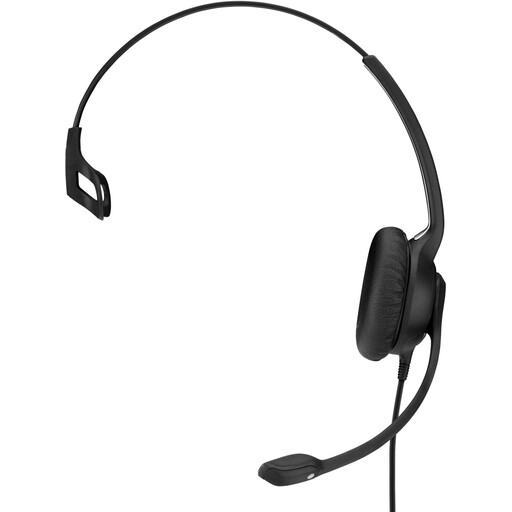
Why it suits this profile: This office headset is designed for calls and computer-based meetings, with one earcup, a USB connection and inline controls.
The fixed USB connection avoids Bluetooth pairing issues in the workplace. The adjustable microphone boom makes positioning clearer than with small in-ear models.
USB 2.0, 2.9-metre cable, adjustable headband, extra ear cushions and a microphone with noise cancellation according to the product information.
We have put together a complete, up-to-date list of products that fully meet these strict selection criteria and the applicable European safety regulations.
That depends on the microphones, Bluetooth connection and surroundings. Check whether the product has a built-in microphone and whether the manufacturer provides information about noise reduction during calls. For a fixed workstation, a wired headset with a microphone may offer more predictable results.
With wired models, the cable is often a key point of wear. With wireless earbuds, the built-in battery partly determines long-term battery life. Store earbuds in the charging case, avoid moisture if the product is not protected against it and do not listen at high volume for extended periods.
Wired models do not incur charging costs and do not use a battery. Wireless models require regular charging and may wear out more quickly with intensive use. So do not look only at the purchase price, but also at whether the product includes a charging case, USB-C charging port, replaceable ear cushions and a warranty. In the EU, consumers are often entitled to a statutory minimum guarantee of two years; check the terms for the specific product.
