
Vandaag of morgen in huis

Kwaliteit gegarandeerd

Welkomstaanbiedingen ontgrendelen: GRATIS bezorging | Tot 80% korting | Gratis 30 dagen JoyPlus-proefperiode
Download de app
Wireless earbuds are great for music, podcasts, phone calls and on-the-go listening. But a long list of features doesn't automatically mean a model will suit your needs. A compact pair might feel comfortable, yet offer insufficient battery life for a long working day. And a high IP rating doesn't always mean you can swim with them.
The most important choice, therefore, isn't which features are longest on the box, but which specifications match your daily use. Below, you'll find out what to look for in Bluetooth earbuds, true wireless earbuds, sports earbuds and earbuds with noise cancelling.
Manufacturers often quote the total playtime including the charging case. The earbuds themselves might last a few hours, while the case provides several extra charges. Noise cancelling, volume, codec and phone calls also affect the actual usage time.
So always check:
If you take long journeys, it's better to look for earbuds with long battery life rather than just a large total figure.
Active noise cancelling, or ANC, uses microphones and electronics to reduce ambient noise. The result depends on the fit, the type of noise and the environment. Low, constant sounds like the hum of a train can be handled differently from voices or sudden noises.
A brand claim such as "up to -50 dB" should therefore be read as a stated product value, not a guarantee for every user. According to the brand's own research, such figures may have been measured under specific conditions. Also look out for a transparency mode if you're walking outside or want to keep hearing conversations in the office.
The IP rating consists of numbers and letters that indicate against which conditions a product has been assessed according to the standard. A few examples:
A water-resistant model isn't automatically suitable for swimming. Always check the manual and only charge the product once the connectors are dry.
In-ear earbuds partially seal the ear canal. This can help with sound isolation, but not everyone finds silicone eartips comfortable. Pay attention to the number of sizes included and the weight per earbud. The Sony WF-C510 weighs 4.6 grams per earbud according to the product specifications and uses an in-ear design.
An ear hook, neckband or open-ear design can be more practical for sports. Bone conduction earbuds and other open-ear models leave the ear canal more open, but offer a different listening experience than sealed in-ear earbuds. When cycling or running, it's also important that you can still hear traffic and other ambient sounds sufficiently.
Bluetooth 5.3, 5.4 or 6.1 says something about the wireless standard used, but doesn't on its own guarantee a flawless connection in every situation. Distance, obstacles, your smartphone and software also play a role.
Check whether the model:
Multipoint is handy if you switch between a laptop and smartphone during work. For gaming, a low-latency mode is more relevant than just a new Bluetooth version.
Most Bluetooth earbuds support basic codecs like SBC. Some models also offer AAC or LDAC. The playback device and the streaming service you use must also support the codec. So an extensive codec list isn't a guarantee that you'll hear the same difference on every device.
Also look at the driver type, frequency response and the ability to adjust the equaliser. These details help with comparing, but don't tell you everything about the personal listening experience.
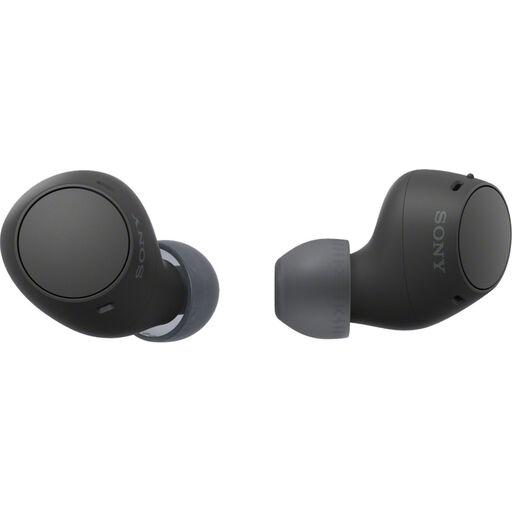
Why this fits the profile: This model combines a compact in-ear design with Bluetooth 5.3, multipoint and a supplied charging case. That suits daily use on Android and iPhone.
The stated 22 hours refers to the combination of earbuds and case. The IPX4 rating makes it clear this is splash-water protection, not for swimming.
4.6 grams per earbud, multipoint, USB-C and a microphone for calls.
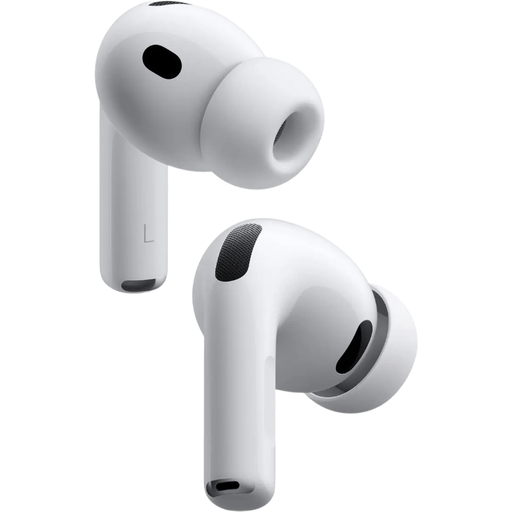
Why this fits the profile: If you work within the Apple ecosystem and value ANC, spatial audio and multiple fit options, you'll find a comprehensive feature set here.
The product specifications state up to 8 hours of playback with noise cancelling and five sizes of silicone eartips. The fit therefore remains a point to check, not an assumption.
Active noise cancelling, microphone, Bluetooth 5.3 and IP57 according to the supplied product specifications.
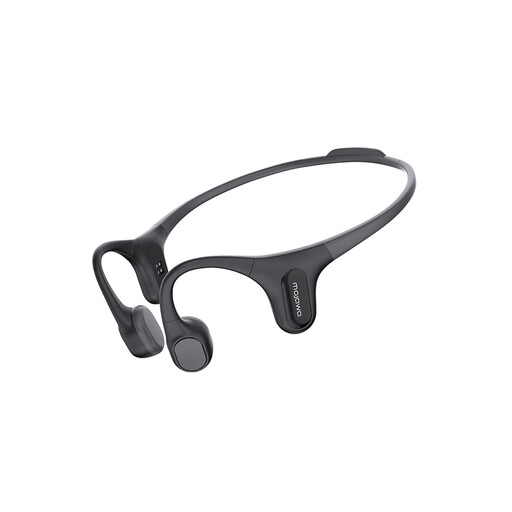
Why this fits the profile: The open-ear bone conduction design is aimed at running, fitness and daily use where you don't want to completely shut out your surroundings.
The open design means you're not solely reliant on sealing and ANC. Do check the user manual and conditions regarding water contact.
Open-ear design, Bluetooth, 32 GB MP3 storage and an IP68 rating according to the product listing.
We've put together a full, up-to-date list of products that fully meet these strict selection criteria and comply with current European safety regulations.
First charge the earbuds and put them into pairing mode. Then open the Bluetooth settings on your Android phone or iPhone and select the product name. On some models, the first pairing is done via a brand app. If the connection fails, remove the model from the Bluetooth list and try again.
The lifespan depends on battery usage, charging cycles, moisture, drops and maintenance. Store the earbuds in the case, keep the charging contacts clean and avoid prolonged exposure to heat or moisture. Don't use high volume for long periods. Battery capacity decreases over time; replacement isn't easy with many compact models.
Yes, models with a built-in microphone can be used for phone calls and online meetings. Clarity depends on the number of microphones, noise reduction, wind and the environment. For a busy office or commuting, multipoint and a transparency mode are practical features to consider in your choice.
